Overview
## 1. Overview
Presbyterian Ladies’ College, Sydney – Croydon is an independent private girls’ school with Presbyterian heritage in NSW. It offers a comprehensive K–12 education in a close-knit, values-driven community that emphasises academic excellence alongside leadership, service and well-being.
The school is medium-sized, balancing a broad range of subjects and opportunities with a personal feel. Class sizes are typically small to mid-sized, supporting targeted teaching and individual attention. The atmosphere combines rigorous academic expectations with a nurturing, inclusive culture that encourages girls to explore interests in academics, sport, arts and community service.
⸻
## 2. Academics & Learning
- Academic strengths: Strong focus across English, STEM, languages and humanities, with an emphasis on critical thinking, inquiry and leadership development.
- Special programs: A senior years program with robust HSC preparation, and opportunities for gifted and talented extension, plus pathways to deepen study in areas of interest.
- NAPLAN trends: Historically strong performance with positive trends over time, often above state averages, reflecting sustained high achievement and improvement.
- Student-teacher ratios: Low to mid-range ratios that support personalized feedback and close teacher–student interaction.
- Support for diverse learners: Structured support for EAL learners and students with learning needs, including in-class adjustments and targeted learning support.
⸻
## 3. Sports & Extracurricular Strengths
- Sports offered: Netball, basketball, tennis, swimming, athletics, soccer/cricket and other traditional school-level programs; active participation in inter-school competitions.
- Strong teams or achievements: A track record of competitive inter-school teams across key sports and events, with emphasis on developing teamwork, discipline and sportsmanship.
- Music, arts, drama programs: Comprehensive performing arts program featuring choir, ensembles, school productions and opportunities to engage in music and drama beyond class.
- Clubs: Robotics, chess, coding, debating, and other student-led clubs and societies that promote STEM, communication and critical thinking.
- Partnerships: Collaboration with local arts and sports clubs and participation in established competitions and showcases to extend student experience beyond the classroom.
⸻
## 4. Wellbeing & Pastoral Care
- Anti-bullying approach: Clear policies and proactive programs to promote respectful, safe school life and early intervention where concerns arise.
- House system: A house-based culture that fosters belonging, mentorship and healthy competition across academics, sport and the arts.
- Counsellors / wellbeing officers: Access to school counsellors and wellbeing staff to support mental, emotional and social health.
- Transition support for new students: Structured orientation and buddy systems, plus ongoing pastoral care to help new students settle in.
⸻
## 5. Facilities
- Sports grounds: On-campus facilities to support PE, sport and team training.
- Libraries: Well-resourced libraries with study spaces and access to digital resources.
- Science labs: Modern science laboratories for experiments and practical learning.
- Music/performing arts centers: Dedicated spaces for music practice, ensembles and drama productions.
- Tech/innovation labs: Classrooms and spaces that support digital learning, coding and project-based work.
- Cafeteria: On-site dining facilities with healthy meal options.
- Updated playgrounds: Safe and engaging play and recreation spaces for younger years.
⸻
## 6. School Values & Community Culture
- School values / mission: A focus on academic excellence, leadership, service, integrity and respect within a faith-informed, inclusive community.
- Leadership style: A culture that encourages student voice, collaboration with teachers and structured leadership opportunities across year levels.
- Behaviour expectations: Clear codes of conduct and consistent expectations that reinforce respectful, responsible behaviour.
- Community reputation: Strong parent and alumna engagement with a reputation for producing capable, contributing young women.
- Diversity & inclusion: Commitment to creating an inclusive environment that supports students from diverse backgrounds.
⸻
## 7. School Logistics & Daily Operations
- School hours: Typical school day aligns with NSW primary and secondary timetables, starting in the morning and finishing in the afternoon.
- Before/after school care: Availability of after-school care or supervised programs to support families.
- Uniform requirements: Formal school uniform with sport uniform for physical activities; clear dress standards.
- Transport (train/bus routes): Accessible by public transport with convenient bus/train routes; options for commuting to and from campus.
- Canteen availability: On-site canteen or snack facilities offering healthy choices.
- Fees: Fees fall into the mid-to-high range for NSW independent private schools, with typical costs for tuition and capital charges; additional costs may apply for excursions, uniforms and activities.
⸻
## 8. Enrolment & Admissions
11. What is the enrolment process and timeline?
- Initial enquiry and information session (online or in-person).
- Application submission with required documents (academic records, birth certificates, etc.).
- invitations for assessments or interviews (may include Year-level placement activities).
- Offer of place and acceptance, with timelines varying by year level and availability.
- Enrolment finalisation and onboarding steps leading into the start of the school year.
12. Is there a waiting list, and how does it work?
- Yes, there can be a waiting list for particular year levels. Placement is often dependent on year level availability and may consider factors such as siblings or alumnae connections, with regular reviews and updates to families.
13. Are there any entry requirements, tests, or interviews?
- Yes, entry typically involves an assessment or interview process, and may include discussions about learning goals, interests and readiness for the year level. English and mathematics tasks or activities may be used to gauge readiness.
14. Does the school accept mid-year transfers?
- Mid-year transfers are considered where spaces exist, subject to the school’s placement procedures and assessment results.
⸻
## 9. Frequently Ask Questions
- Why Parents Choose This School?
- A combination of strong academics, a girls-focused environment, extensive wellbeing and pastoral support, and opportunities across sport, arts and leadership.
- What type of student thrives at this school?
- Students who are motivated, curious and collaborative, who value academic challenge and leadership, and who appreciate a supportive community.
- What opportunities are available for students to extend their skills (academics, sports, arts)?
- Extension and leadership programs in academics, competitive sport teams, music and drama ensembles, debating, robotics, coding and other clubs.
- How does the school communicate with parents?
- Through newsletters, a parent portal, emails, parent-teacher interviews, and regular updates about school events and student progress.
- What is the school’s approach to teaching and learning?
- Student-centered learning that emphasizes critical thinking, problem-solving, collaboration and real-world applications, with support for individual learning needs.
- How does the school support students who need extra academic help?
- Targeted learning support, EAL assistance and access to tutoring or mentoring within a structured framework.
- What support is available for academic challenges?
- Early intervention planning, learning blocks or adjustments as needed, and ongoing monitoring of progress with dedicated educators.
- What are the class sizes and how much individual attention do students receive?
- Class sizes are small to mid-sized with strong teacher accessibility and opportunities for individualized feedback.
- What extracurricular and sports opportunities are available?
- A wide range of sports, performing arts, debating, robotics, coding and other clubs, plus inter-school competitions and showcases.
- What facilities does the school offer (sports, science, arts)?
- Modern sports facilities, well-equipped libraries, science labs, performing arts spaces, technology labs and a canteen.
- What is the school’s approach to technology and digital learning?
- Technology is integrated across learning with digital tools, online resources and potentially device programs to support 21st-century learning.
- What transport and accessibility options are available?
- Excellent public transport access with nearby train and bus routes, plus safe drop-off/pick-up arrangements as part of daily operations.
- What are the typical school fees or additional costs?
- Fees fall in the mid-to-high range for NSW private schools, with additional costs for uniforms, excursions, camps and activity levies.
⸻
## 10. Short Pros & Cons list
- Pros
- Strong academic reputation and focused learning environment
- Nurturing, inclusive culture with robust wellbeing support
- Broad co-curricular offerings (sport, music, arts, clubs)
- Small to mid-class sizes enabling personalized attention
- Active community and leadership opportunities
- Cons
- Private school fees can be a consideration for families
- Competitive entry may require early applications for popular year levels
- Limited to girls’ school, which may be a factor for families seeking co-educational options
- Some activities may require additional costs (uniforms, excursions, equipment)
⸻










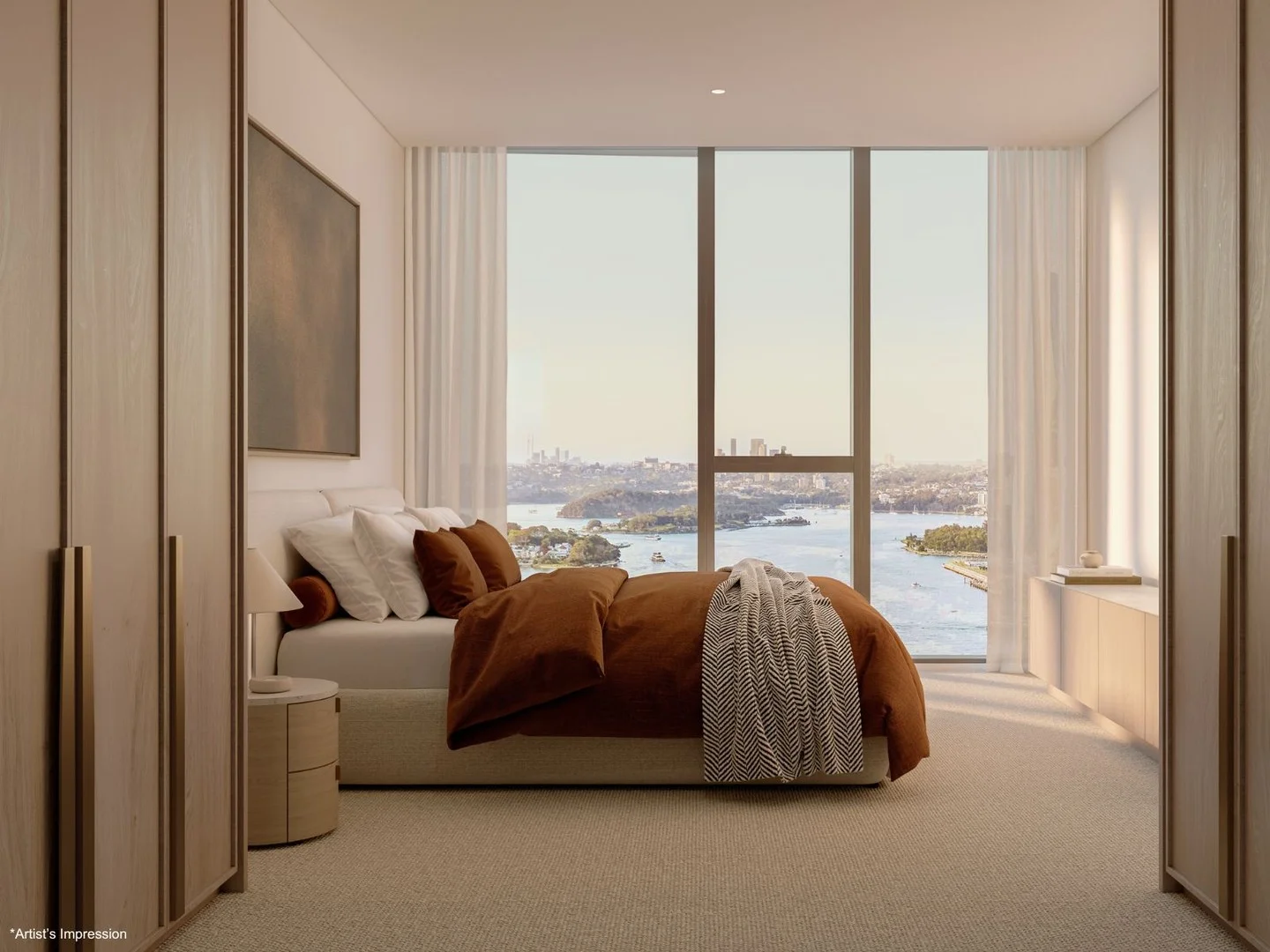 $8,630,000
propertyType.NEW APARTMENTS / OFF THE PLAN
$8,630,000
propertyType.NEW APARTMENTS / OFF THE PLAN
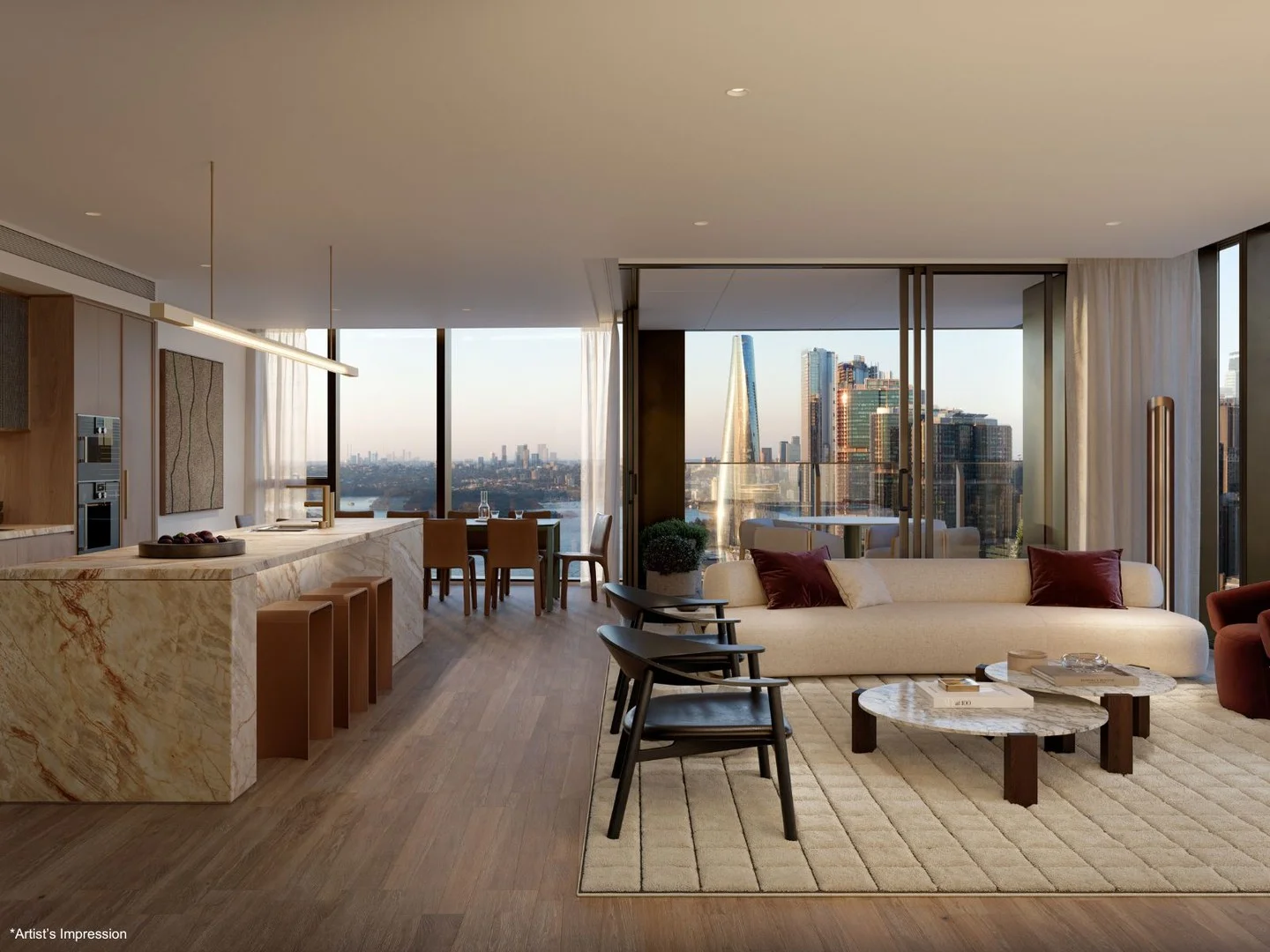 $12,980,000
propertyType.NEW APARTMENTS / OFF THE PLAN
$12,980,000
propertyType.NEW APARTMENTS / OFF THE PLAN
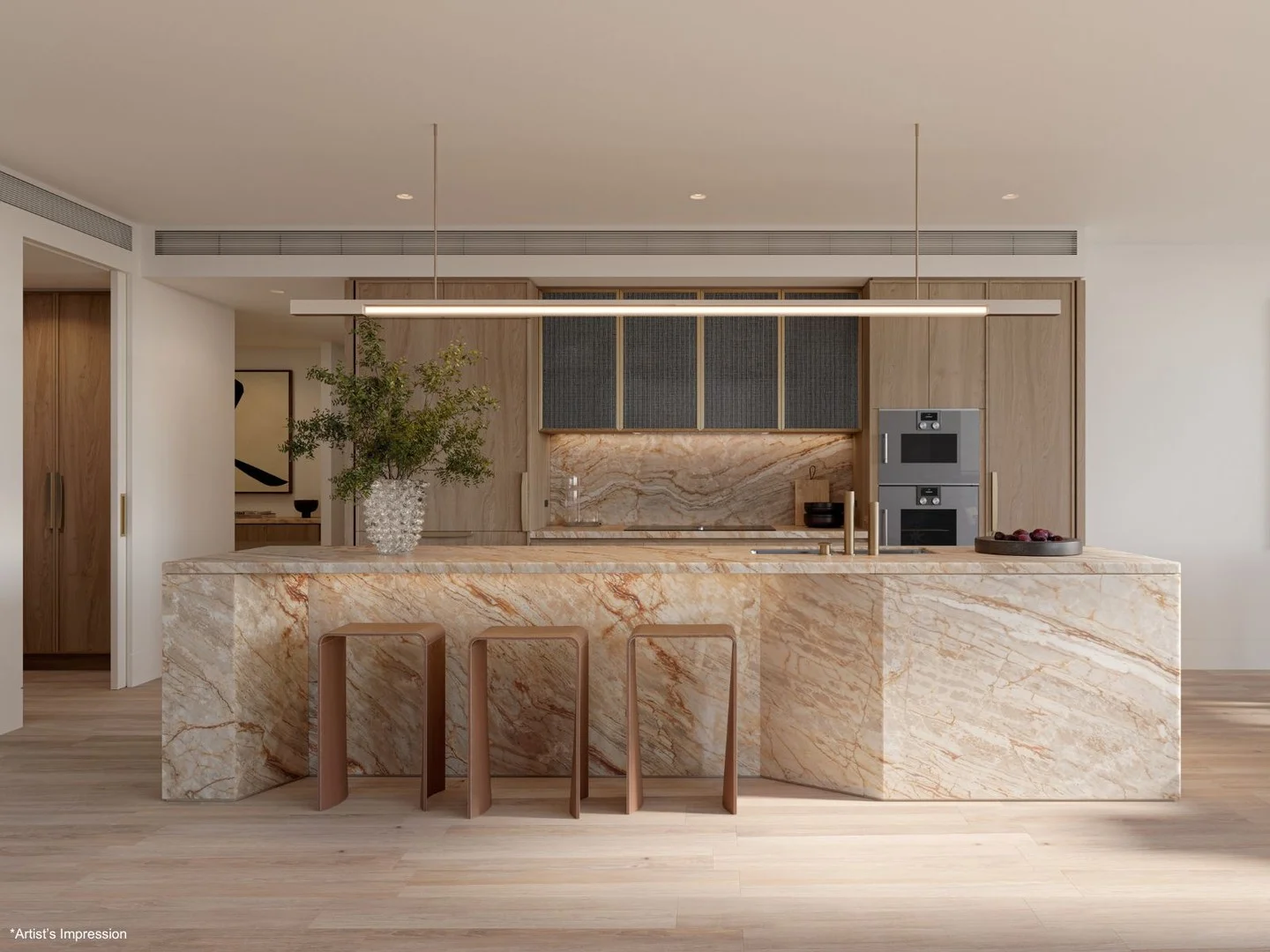 $6,225,000
propertyType.NEW APARTMENTS / OFF THE PLAN
$6,225,000
propertyType.NEW APARTMENTS / OFF THE PLAN
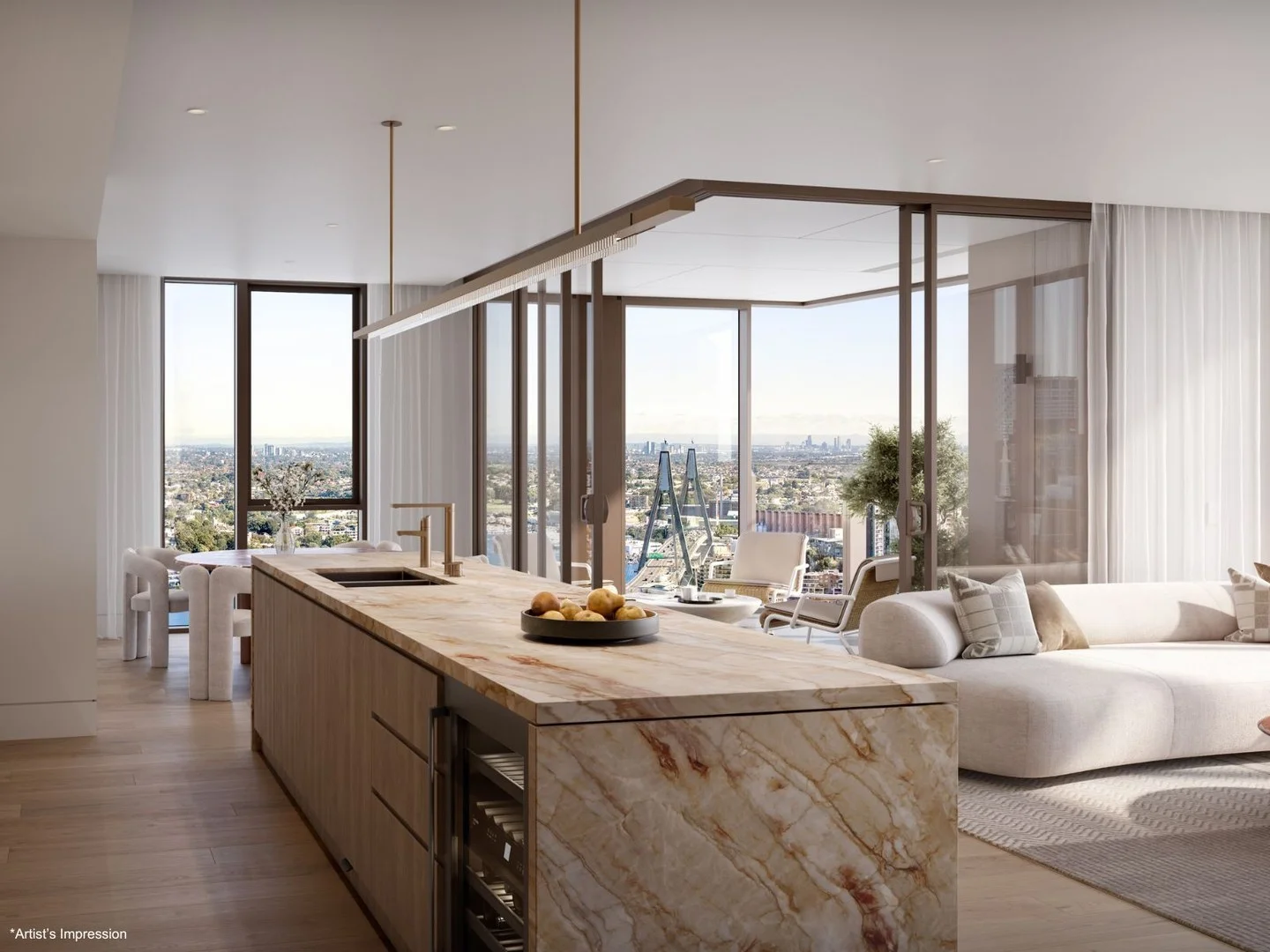 $9,020,000
propertyType.NEW APARTMENTS / OFF THE PLAN
$9,020,000
propertyType.NEW APARTMENTS / OFF THE PLAN
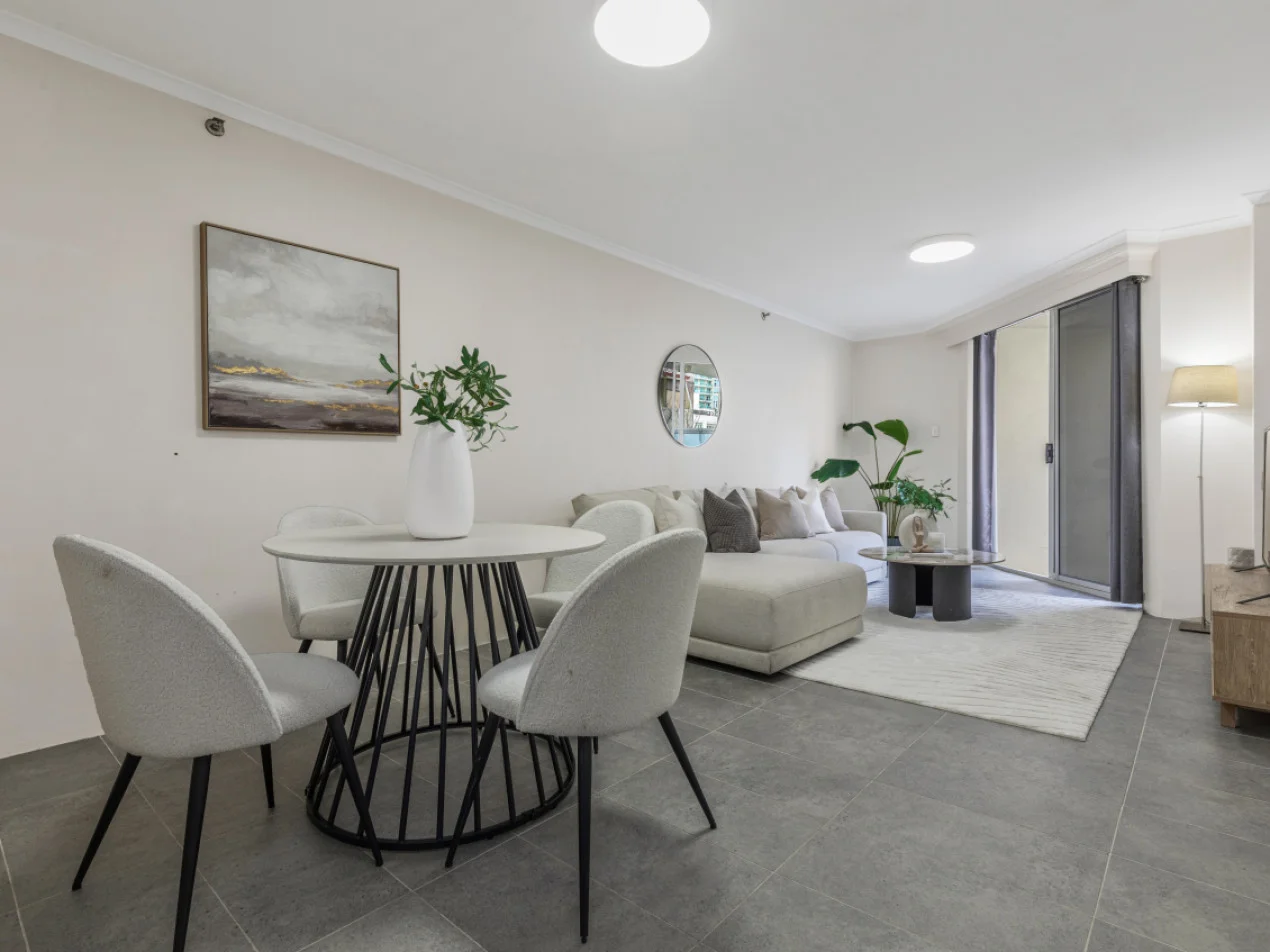 $640,000 - $675,000
Apartment / Unit / Flat
$640,000 - $675,000
Apartment / Unit / Flat
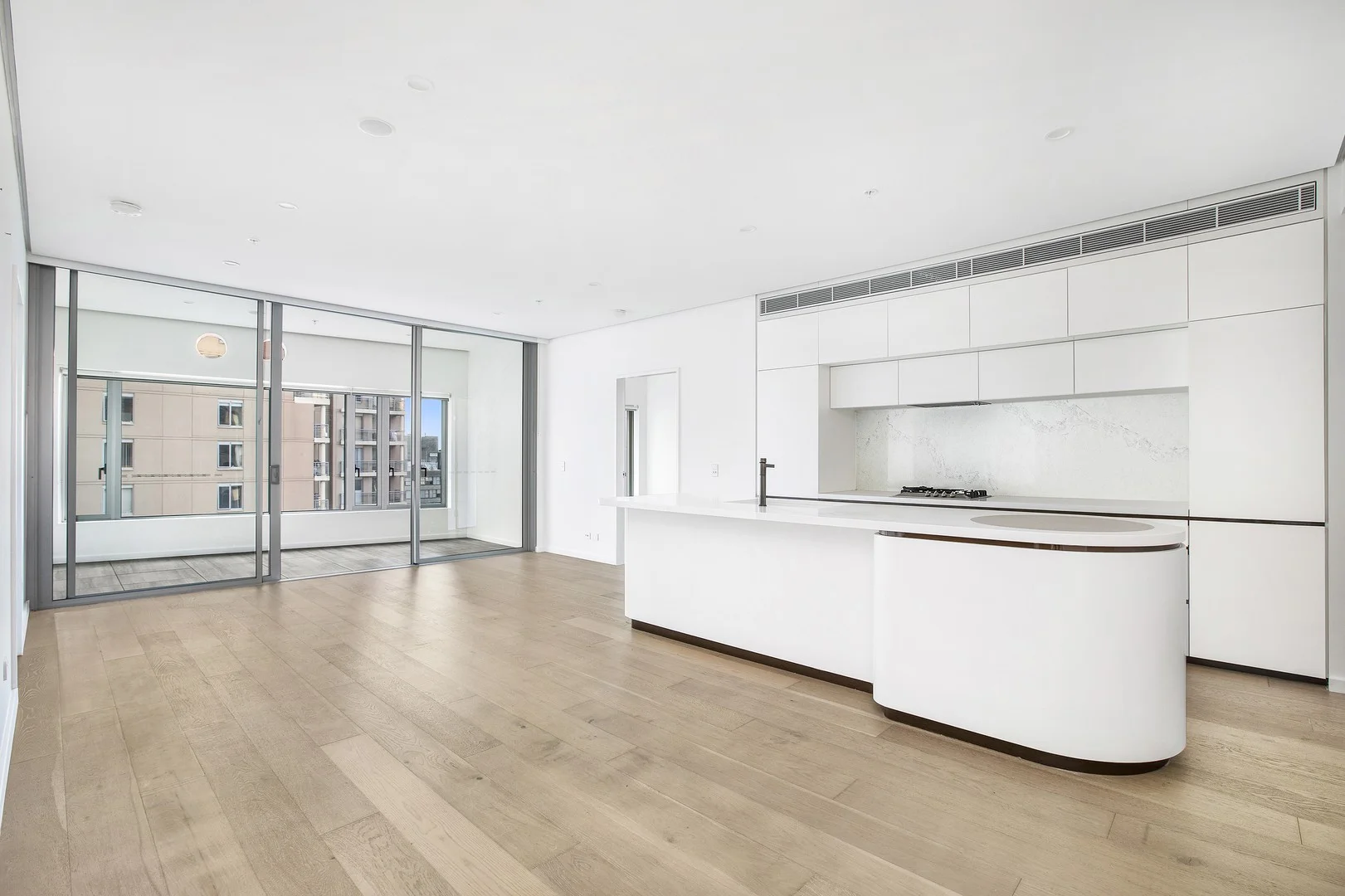 $2,250,000
Apartment / Unit / Flat
$2,250,000
Apartment / Unit / Flat
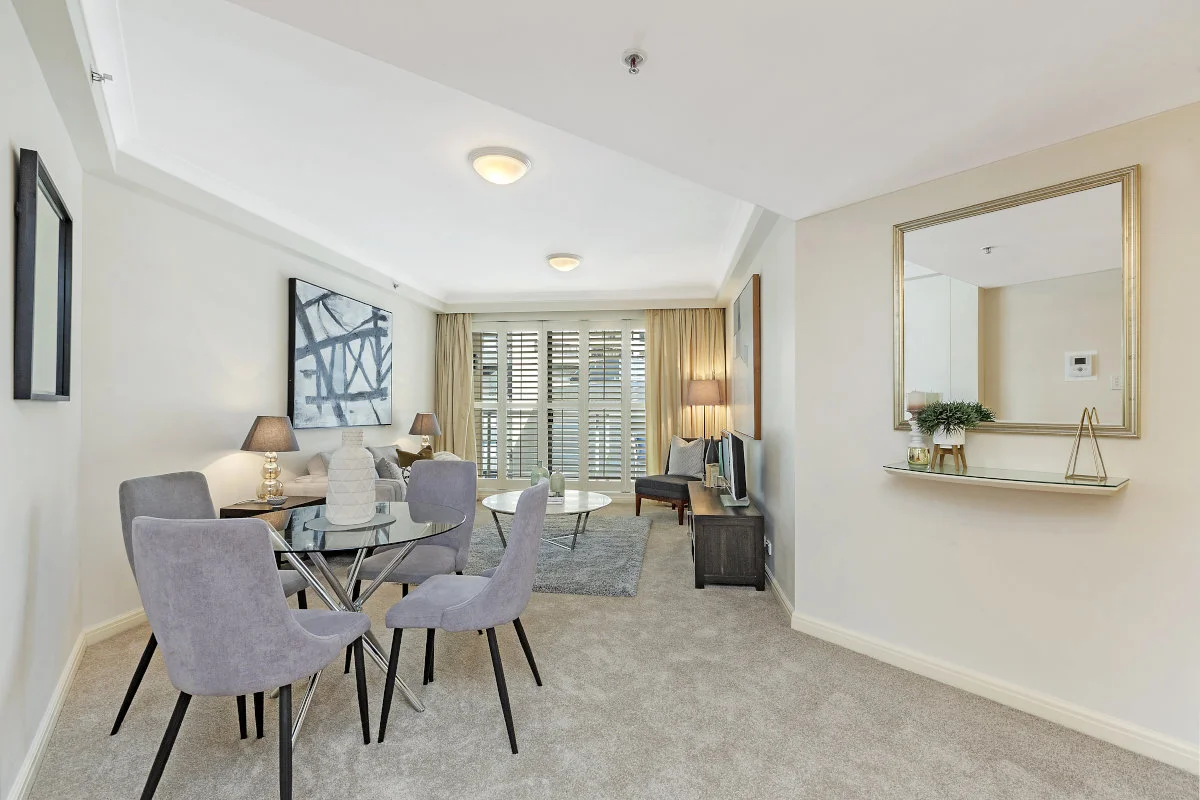 $660,000 - $725,000
Apartment / Unit / Flat
$660,000 - $725,000
Apartment / Unit / Flat
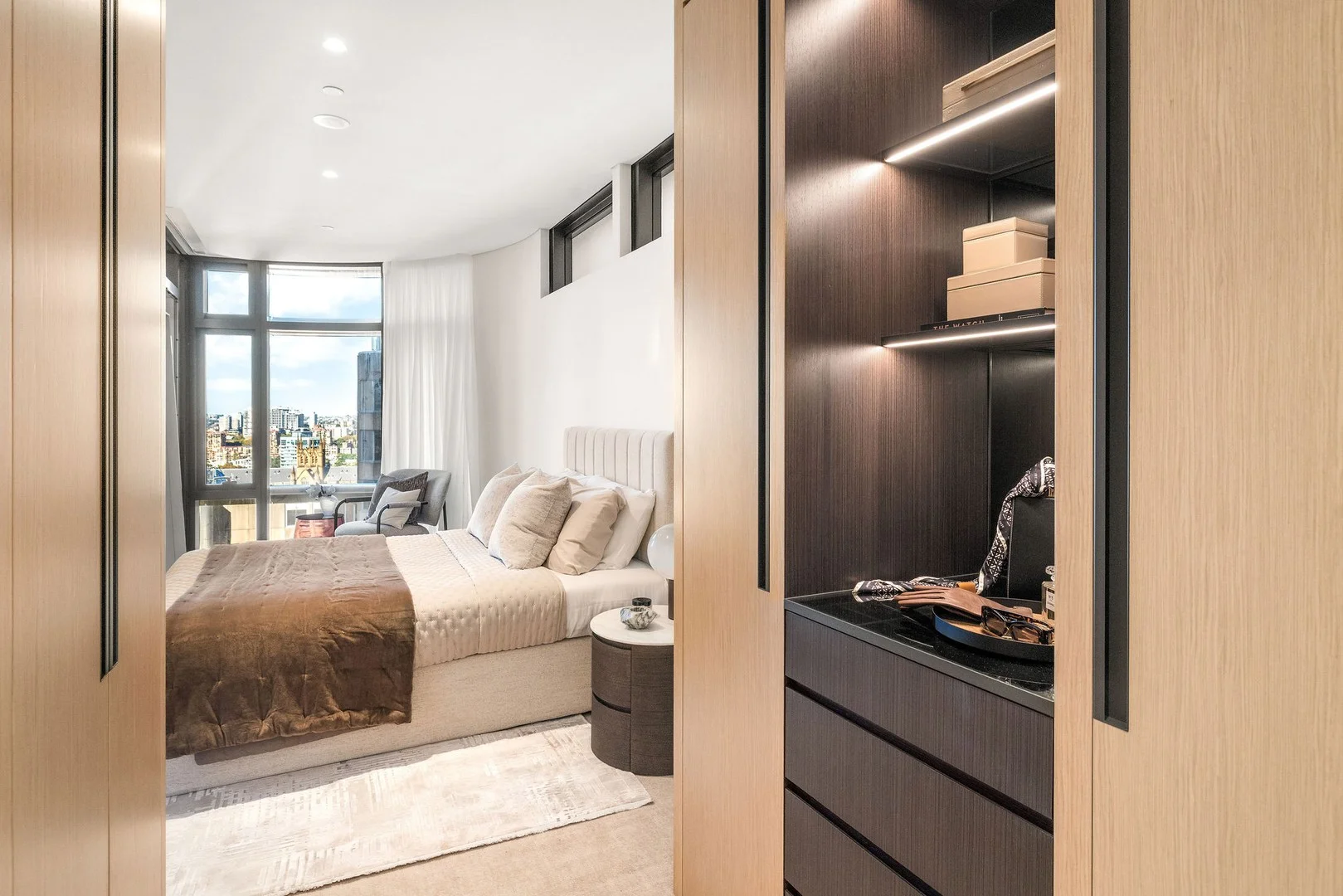 $2,745,000
propertyType.NEW APARTMENTS / OFF THE PLAN
$2,745,000
propertyType.NEW APARTMENTS / OFF THE PLAN
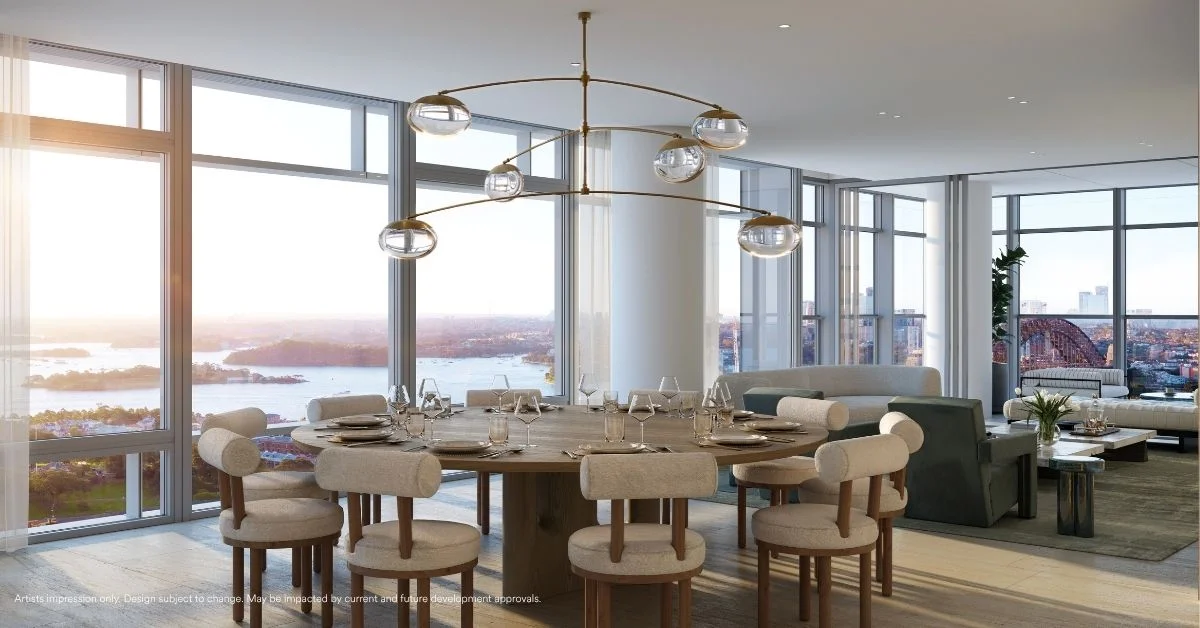 $26,550,000
propertyType.NEW APARTMENTS / OFF THE PLAN
$26,550,000
propertyType.NEW APARTMENTS / OFF THE PLAN