The First Time They Play Away From You: Sleepaway Camps, Sports Tours and Overnight Trips
8 July 2026
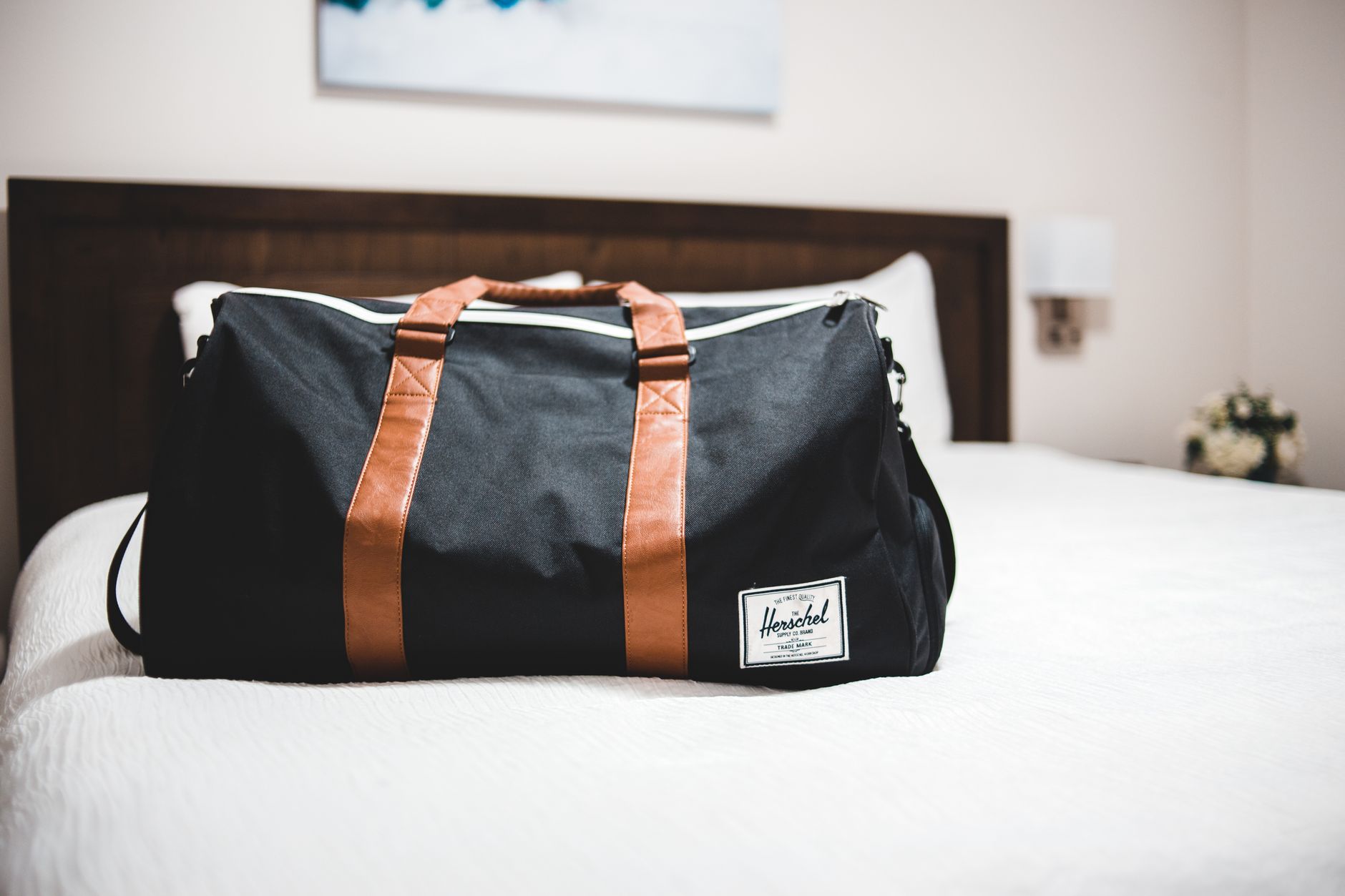
That moment when your child asks to go on their first overnight trip can feel both exciting and terrifying. Whether it's a school sports tour, activity-based camp, or weekend away, knowing they're ready—and knowing you've prepared them properly—makes all the difference.
Signs Your Child Is Ready
There's no magic age for overnight trips. Some eight-year-olds thrive away from home; others aren't ready until they're twelve. Look for these readiness markers:
Practical independence
- Can they use the toilet independently, manage personal hygiene, and get dressed without reminding?
- Do they eat a reasonably varied diet, or are they so restricted it'll stress the organisers?
- Can they pack a bag (even messily) or follow simple instructions about what to bring?
Emotional signs
- They're genuinely interested in going, not just doing it to please you
- They can separate from you for a few hours without significant distress (like at school or a friend's place)
- They can express when something's wrong instead of shutting down
- They're okay with routines changing temporarily
Social readiness
- They have at least one friend attending, or they're confident meeting new people
- They can join group activities without needing constant reassurance
- They understand basic social boundaries and follow camp/tour rules
If your child struggles with separation, has severe homesickness, or needs significant one-on-one support, chat with the trip organiser about whether it's the right timing. There's no shame in waiting.
Preparing Your Child
Talk about what to expect
Visit the camp or trip venue if possible, or watch any videos the organiser provides. Talk through the daily routine: wake-up time, meals, activities, lights out. Knowing what's coming reduces anxiety.
Practice sleeping away from home
Start with a night at a trusted friend's or relative's house. A sleepover at grandma's or an aunty's place is perfect practice. It normalises sleeping in a different bed and gives them (and you) confidence.
Pack together
Give them a checklist and let them help pack their bag. They'll remember what they've brought, feel more ownership over the trip, and you'll catch any gaps. Label everything—socks, shoes, jackets, toiletries. Things go missing.
Manage expectations about connection
Be clear about whether they'll have phone contact, when, and how often. If the trip organisers aren't allowing calls home, explain why (usually it helps kids settle faster). Don't promise something you can't deliver.
Build coping strategies together
If your child gets homesick, what helps them? A photo of home in their pocket? Knowing they can talk to the group leader? A familiar comfort item? Discuss this before they go so they have actual tools, not just worry.
What to Pack (and What to Leave Behind)
Most trips provide a packing list. If they don't, ask. Generally:
- Enough clothes for the number of days, plus a spare set
- Underwear and socks (pack extras)
- Sturdy shoes and any sport-specific gear
- Toiletries (deodorant, toothbrush, toothpaste, sunscreen)
- Medications if needed
- A jacket or warm layers
- One comfort item (a small stuffed toy, a photo, a book)
- Any necessary glasses, hearing aids, or medical equipment
Leave at home:
- Pocket money (unless the organiser specifically says to bring it)
- Electronics or devices (unless explicitly invited)
- Expensive clothing or items
- Anything they'd be devastated to lose
When They Come Home
They might arrive exhausted, chatty, overwhelmed, or withdrawn. Any of this is normal. Don't bombard them with questions immediately. Let them decompress for a bit, then ask open-ended questions: "What was your favourite activity?" or "Who did you hang out with?"
If they had a rough time, listen without immediately dismissing their feelings or jumping to fix it. Sometimes kids just need to process. If there were genuine safety or welfare concerns, chat with the organiser.
Many kids feel proud after their first overnight trip—and rightfully so. It's a real achievement. Celebrate that, but keep things calm and normal at home. They've already done something brave.
The Bottom Line
Your child's first overnight trip away is as much about their growing independence as it is about the activity itself. Trust your instincts about timing, prepare them practically and emotionally, and remember: kids are far more resilient than we often give them credit for. And if this trip isn't the right fit, there's always next time.
Photo by Erik Mclean on Pexels