Overview
# Overview
Yesodei HaTorah College is an independent Jewish day school in Melbourne's Elwood area. The college blends a strong Jewish studies program with a broad secular curriculum, aiming to nurture well-rounded students who value both tradition and academic achievement. The atmosphere is generally described as nurturing and inclusive, with a focus on developing character, community involvement, and academic progress. The school is typically considered a medium-sized community, with class sizes that allow for more individualized attention than larger state-run schools.
# Academics & Learning
- Academic strengths: Strong emphasis on Hebrew language and Judaic studies alongside core literacy and numeracy, with a balanced focus on English, math, science, and humanities. The school often highlights leadership development and community engagement as part of the curriculum.
- Special programs: Gifted and talented pathways, Hebrew language immersion, and leadership or community-service initiatives are commonly available. Some years may offer targeted acceleration options or enrichment projects.
- NAPLAN / Ofsted trends: Specific public-trend data for this school isn’t typically published by private Australian schools. Families can request the latest performance trends or access annual reports from the school for detailed insights.
- Student-teacher ratios: Generally in the range of small-to-mid class sizes, with student-teacher ratios around 1:12 to 1:16 in many classrooms.
- Support for diverse learners: EAL (English as an Additional Language) and SEN (Special Educational Needs) support are typically offered, with in-school support staff and resources to assist students requiring extra help or adjustments.
# Sports & Extracurricular Strengths
- Sports offered: Basketball, football (soccer), cricket, tennis, and swimming are commonly available, with opportunities to participate in intra-school teams and interschool competitions.
- Strong teams or achievements: The school often participates in local leagues and school-based competitions, building sportsmanship and team skills.
- Music, arts, drama programs: A focus on performing arts and music is typical, including school productions, choirs, and recital events.
- Clubs: Robotics, chess, coding, debating, and other STEM or humanities clubs are commonly offered to extend learning beyond the classroom.
- Partnerships: Engagement with local clubs, sports academies, and community organizations is typical, providing pathways to competitions and additional training.
# Wellbeing & Pastoral Care
- Anti-bullying approach: A proactive, values-based framework with clear policies and ongoing education to promote respect, inclusion, and safety.
- House system: A house or pastoral grouping structure supports community, mentorship, and friendly competition.
- Counsellors / wellbeing officers: Access to school counsellors or wellbeing staff to support emotional health, social development, and transition periods.
- Transition support for new students: Orientation activities, buddy programs, and targeted support help new students acclimate and build connections.
# Facilities
- Sports grounds: Adequate outdoor spaces and courts for physical education and team sports.
- Libraries: Central library or well-stocked media resources for study and reading programs.
- Science labs: Modern science facilities to support hands-on experiments and inquiry-based learning.
- Music/performing arts centers: Dedicated spaces for music practice, rehearsals, and productions.
- Tech/innovation labs: Computer labs or maker/innovation spaces to support coding, robotics, and digital projects.
- Cafeteria: On-site canteen or dining area for students.
- Updated playgrounds: Modern play areas and outdoor learning spaces.
# School Values & Community Culture
- School values / mission: A values-driven education that emphasizes respect, integrity, resilience, and community contribution, alongside a commitment to Jewish learning and identity.
- Leadership style: Often described as collaborative and student-inclusive, with opportunities for student voice through committees or leadership roles.
- Behaviour expectations: Clear codes of conduct aligned with the school’s values, focusing on positive behavior, responsibility, and mutual respect.
- Community reputation: The school generally holds a positive reputation within the local Jewish and broader Victorian school communities for balancing tradition with contemporary learning.
- Diversity & inclusion: Commitment to creating an inclusive environment that respects Jewish identity while welcoming a diverse student body and families.
# School Logistics & Daily Operations
- School hours: Typical school day runs through the late afternoon with start times in the morning; after-school care options are often available.
- Before/after school care: Availability varies by campus; check with the school for current options and fees.
- Uniform requirements: A prescribed uniform is standard, with details provided by the school (specific items, colours, and acceptable suppliers).
- Transport (train/bus routes): Public transport access via nearby bus or train routes is common; school-organized or recommended transport options may be available.
- Canteen availability: On-site canteen or snack facilities usually available; policies about purchasing and food options are provided by the school.
- Fees (low/medium/high ranges): The school charges private-school-style fees in the medium range; exact figures and any financial aid options are provided on request.
# Enrolment & Admissions
11. What is the enrolment process and timeline?
- Expression of interest or initial inquiry, followed by application submission, documents review, and a family or student interview. There is typically a processing period that may include tours or information evenings, with notification of acceptance or waitlist status within a defined timeframe.
12. Is there a waiting list, and how does it work?
- Waiting lists are common for private schools. Families are added to the list after applications are reviewed, with placement determined by availability, cohort balance, and any priority considerations the school communicates.
13. Are there any entry requirements, tests, or interviews?
- Entry often involves an interview or family meeting, and may include assessments or demonstrations of readiness in areas such as literacy or numeracy, plus review of prior schooling and relevant records.
14. Does the school accept mid-year transfers?
- Mid-year transfers are typically considered if there is space, subject to the admissions process and timelines. Families should contact the school promptly to discuss availability and required steps.
# Frequently Asked Questions
- Why Parents Choose This School?
- A balanced emphasis on Jewish identity and secular learning, supportive small-to-medium class settings, and a community-focused environment.
- What type of student thrives at this school?
- Students who value tradition, a strong work ethic, collaboration, and participation in both academic and extra-curricular activities.
- What opportunities are available for students to extend their skills (academics, sports, arts)?
- Enrichment programs, Hebrew language and Judaic studies, STEM/arts clubs, sports teams, music ensembles, and drama productions.
- How does the school communicate with parents?
- Regular newsletters, emails, a school portal, parent-teacher meetings, and formal reports throughout the year.
- What is the school’s approach to teaching and learning?
- A student-centered approach that blends inquiry-based learning with structured instruction, differentiated to meet diverse needs, across Judaic and secular subjects.
- How does the school support students who need extra academic help?
- In-school learning support, tutoring options, and targeted interventions as part of an inclusive education approach.
- What support is available for academic challenges?
- Access to teachers, learning support staff, and counsellors; targeted plans to assist with literacy, numeracy, and study skills.
- How does the school communicate with parents?
- See above; ongoing channels include digital communications and formal progress updates.
- What are the class sizes and how much individual attention do students receive?
- Class sizes are designed to be small-to-medium, enabling more individualized attention and teacher accessibility.
- What extracurricular and sports opportunities are available?
- A range of sports, arts, music, drama, robotics, chess, coding, debating, and other clubs; opportunities to participate in interschool and community events.
- What facilities does the school offer (sports, science, arts)?
- Sports facilities, libraries, science labs, performing arts spaces, tech/innovation labs, a canteen, and updated outdoor areas.
- What is the school’s approach to technology and digital learning?
- Integration of technology across subjects, with age-appropriate digital learning tools and a focus on responsible use and digital literacy.
- What transport and accessibility options are available?
- Access to public transport, with information on routes and suitability; some schools offer bus services or partner with local transit options.
- What are the typical school fees or additional costs?
- Fees are in the mid-range for independent schools; additional costs may include uniforms, camps, elective materials, and special programs.
# Short Pros & Cons
- Pros
- Values-based education that balances Jewish identity with comprehensive academics.
- Moderate class sizes enabling more individualized attention.
- Range of co-curriculars including sports, arts, and STEM clubs.
- Supportive wellbeing framework and transition programs for new students.
- Inclusive community with opportunities for leadership and involvement.
- Cons
- As an independent/private school, tuition is a consideration for many families.
- Availability of spaces can be limited; waitlists are common during peak intake years.
- Detailed, up-to-date data on standardized testing trends may require direct inquiry to the school.









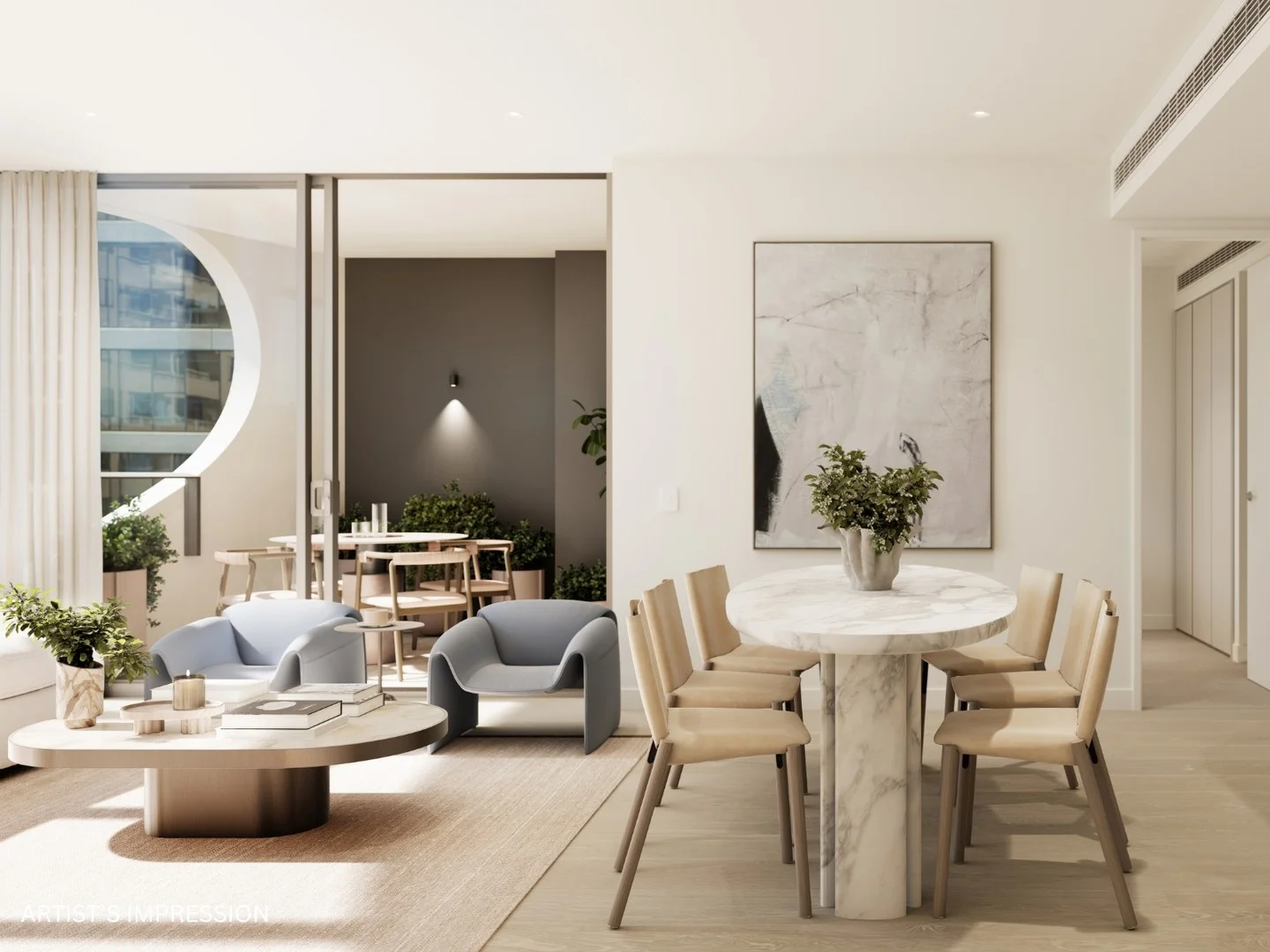 $1,640,000
Apartment / Unit / Flat
$1,640,000
Apartment / Unit / Flat
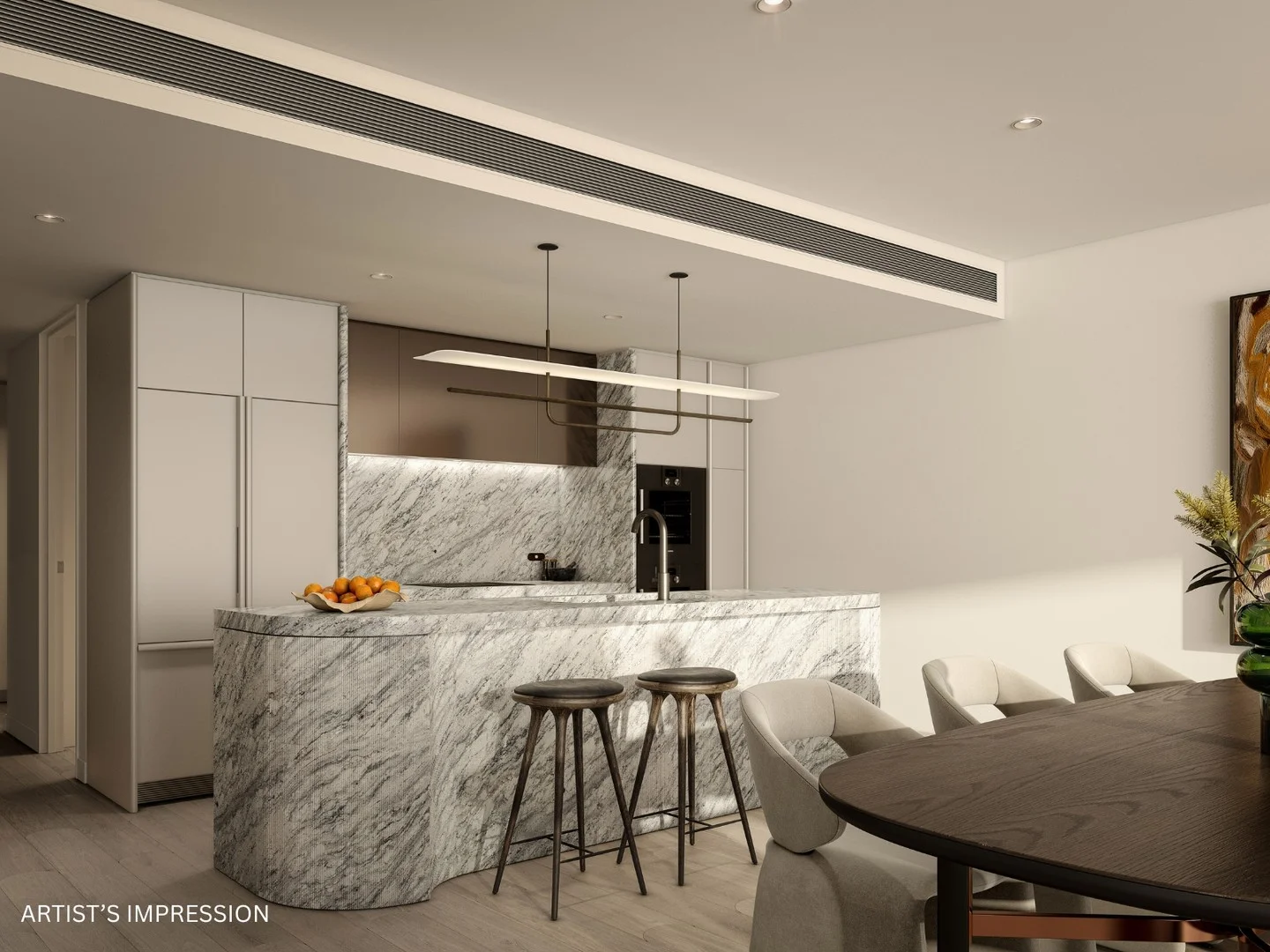 $2,900,000
Apartment / Unit / Flat
$2,900,000
Apartment / Unit / Flat
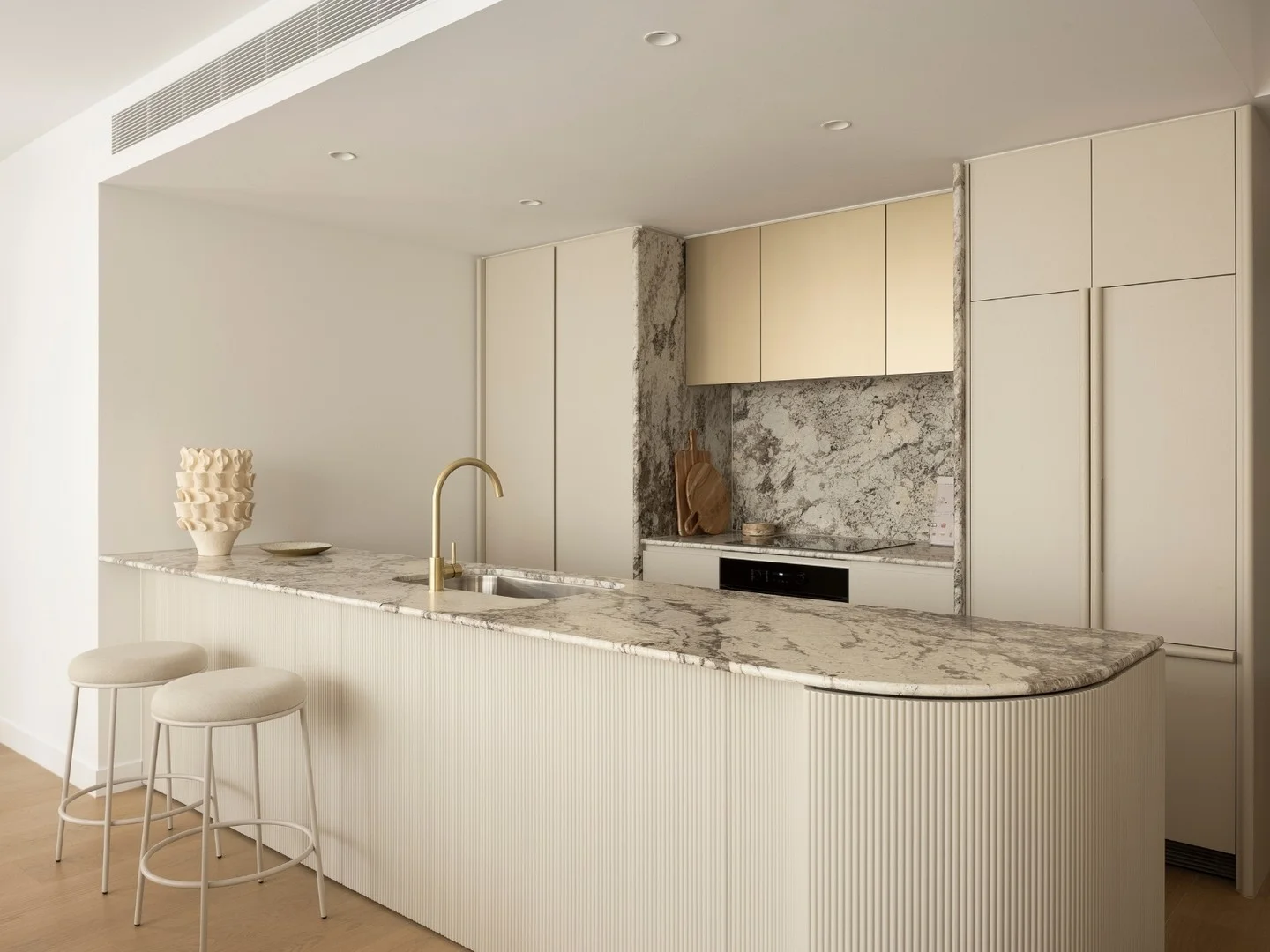 $1,345,000
Apartment / Unit / Flat
$1,345,000
Apartment / Unit / Flat
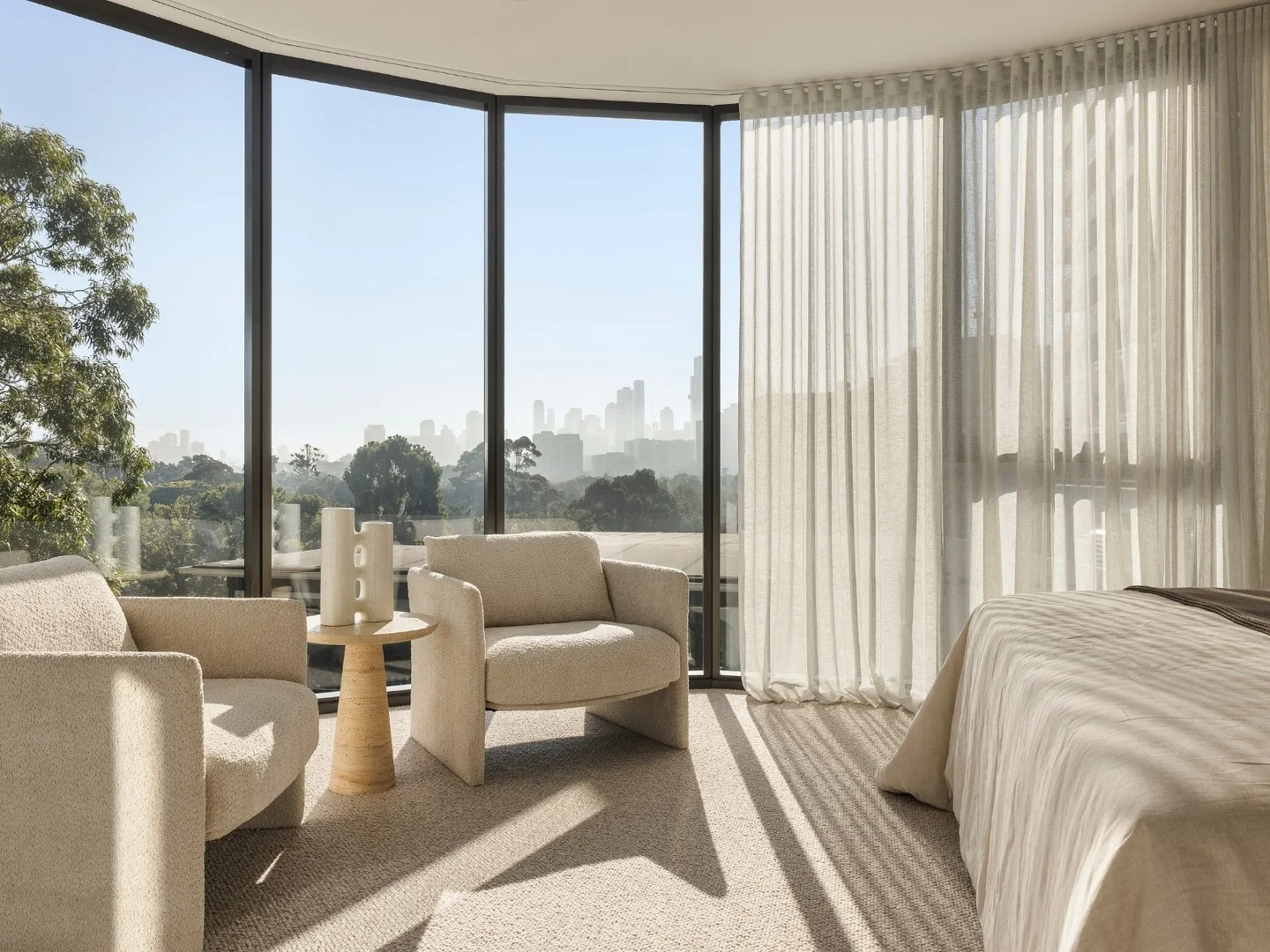 $2,750,000
Apartment / Unit / Flat
$2,750,000
Apartment / Unit / Flat
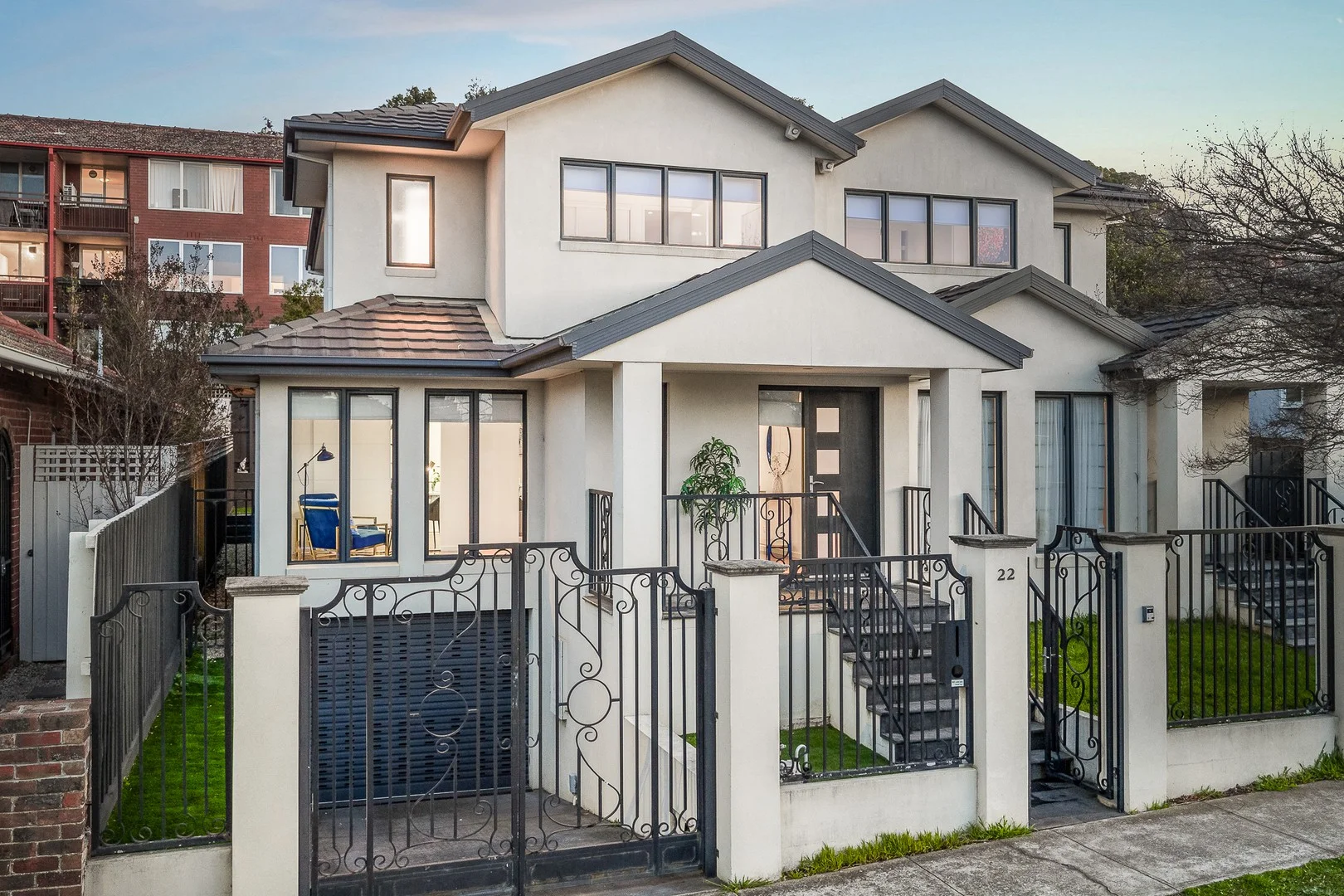 $2,390,000
Townhouse
$2,390,000
Townhouse
 $1,770,000
propertyType.NEW APARTMENTS / OFF THE PLAN
$1,770,000
propertyType.NEW APARTMENTS / OFF THE PLAN
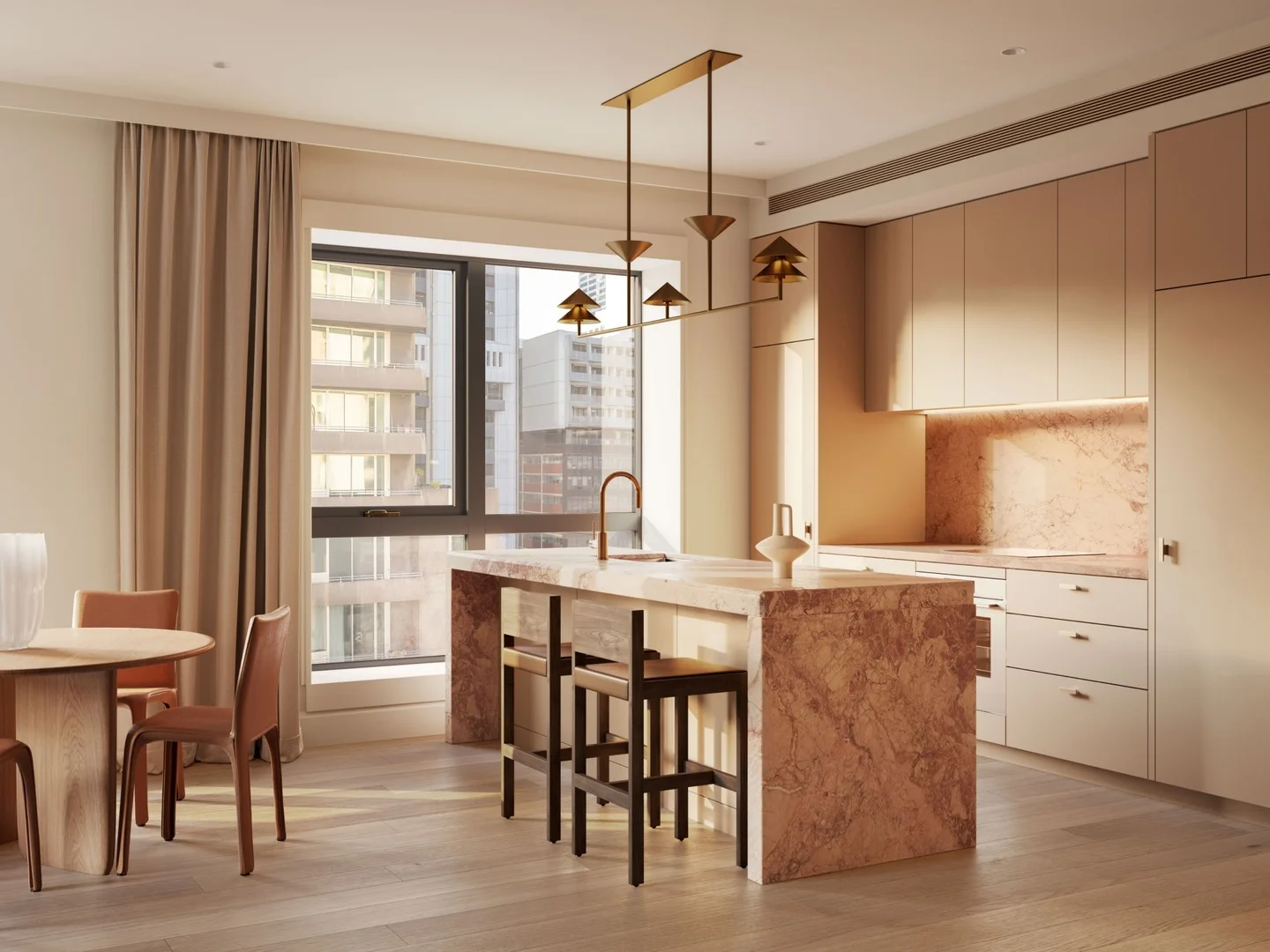 $1,760,000
propertyType.NEW APARTMENTS / OFF THE PLAN
$1,760,000
propertyType.NEW APARTMENTS / OFF THE PLAN
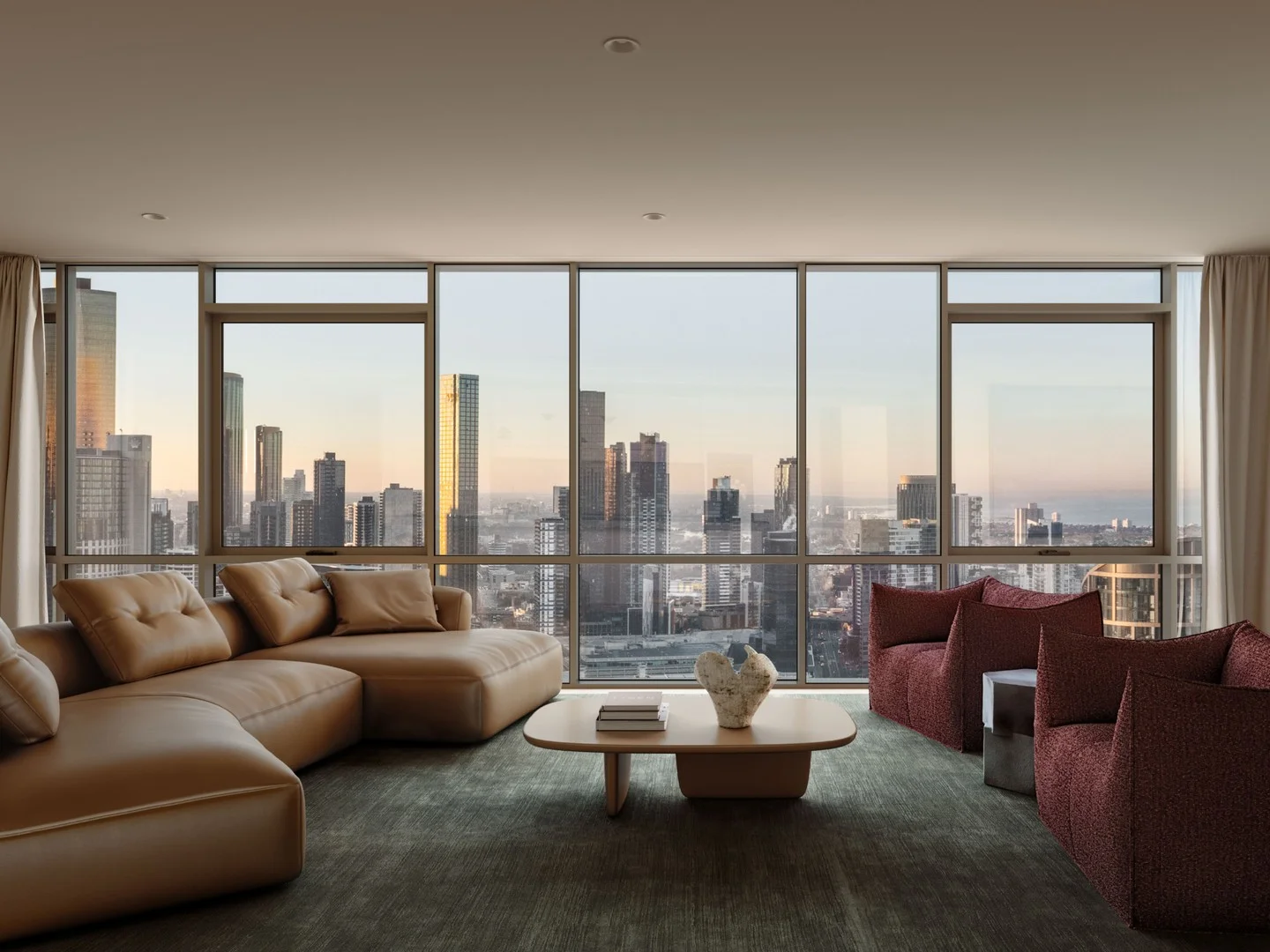 $3,700,000
propertyType.NEW APARTMENTS / OFF THE PLAN
$3,700,000
propertyType.NEW APARTMENTS / OFF THE PLAN
 $820,000
propertyType.NEW APARTMENTS / OFF THE PLAN
$820,000
propertyType.NEW APARTMENTS / OFF THE PLAN