Overview
1. Overview
Kamaruka Education Centre in South Yarra offers a private, independent learning environment focused on providing tailored support for students who benefit from small-class, student-centred education. The centre emphasises inclusivity, resilience, and personal growth, helping students build confidence and independent learning skills within a nurturing community. With a small-to-medium school size, classes are kept intentionally compact to maximise individual attention and positive teacher–student relationships.
The atmosphere is often described as supportive and respectful, prioritising holistic development alongside academic progress. Students are encouraged to engage actively in their learning, participate in school life, and develop the social-emotional skills that support success inside and outside the classroom.
⸻
2. Academics & Learning
- Academic strengths: literacy and numeracy foundations are prioritised, with individualized learning plans and a focus on real-world application. The centre emphasises personalised pacing and targeted skill-building to help each student reach their potential.
- Special programs: targeted literacy/numeracy support, small-group tutoring, and pathways to further study or vocational options. There may be opportunities for practical learning experiences and learner-centred approaches tailored to student needs.
- NAPLAN trends: progress is tracked internally and through standardised measures, with an emphasis on year-over-year improvements in reading, writing, and numeracy for students who require extra time or different supports.
- Student-teacher ratios: typically small, enabling frequent feedback and personalised instruction (examples: low single-digit to mid-range classroom ratios depending on year level and program).
- Support for diverse learners: inclusive education with support for diverse learners, including EAL (English as an Additional Language) and SEN (special educational needs) supports, along with ongoing assessment to tailor interventions.
⸻
3. Sports & Extracurricular Strengths
- Sports offered: a range of school-based physical activities and team sports, prioritising participation, fitness, and skill development.
- Strong teams or achievements: active involvement in local inter-school events and competitions with opportunities for student recognition and personal achievement.
- Music, arts, drama programs: robust arts offerings including music, drama, and performing arts activities, with opportunities to participate in productions and ensembles.
- Clubs: robotics, coding, chess, debating, and other interest-based clubs to broaden skills beyond the core curriculum.
- Partnerships: connections with local clubs, community organisations, and competitions to provide broader experiences and pathways in sport, arts, and technology.
⸻
4. Wellbeing & Pastoral Care
- Anti-bullying approach: clear anti-bullying policies with restorative practices and a focus on creating a safe, respectful environment for all students.
- House system: a house-based structure to foster belonging, teamwork, and healthy competition through events and activities.
- Counsellors / wellbeing officers: access to wellbeing staff or counsellors to support mental health, social-emotional learning, and transition periods.
- Transition support for new students: orientation programs, buddy systems, and targeted support to help new students settle in smoothly.
⸻
5. Facilities
- Sports grounds: on-site or nearby outdoor spaces for physical activities and team sports.
- Libraries: dedicated library resources to support reading, research, and quiet study.
- Science labs: functional laboratories for practical experiments and STEM activities.
- Music/performing arts centers: spaces for music practice, rehearsals, and performances.
- Tech/innovation labs: facilities that support coding, robotics, and digital creation projects.
- Cafeteria: on-site eating spaces or arrangements for meals and breaks.
- Updated playgrounds: safe outdoor play and exploration areas supporting active breaks and social interaction.
⸻
6. School Values & Community Culture
- School values / mission: a focus on respect, resilience, inclusion, and personal responsibility within a supportive community.
- Leadership style: student voice and collaborative leadership; opportunities for student input in school life and activities.
- Behaviour expectations: clear codes of conduct emphasising respect, responsibility, courtesy, and integrity, often reinforced through restorative practices.
- Community reputation: known for a caring, inclusive environment that supports students who benefit from additional attention and flexible learning approaches.
- Diversity & inclusion: committed to diversity and inclusion, with practices designed to welcome students from varied backgrounds and with different learning needs.
⸻
7. School Logistics & Daily Operations
- School hours: typical daytime schedule with start and finish times applicable to the centre’s programs; may vary by program or term.
- Before/after school care: options available in some programs to support families, subject to availability.
- Uniform requirements: uniform policy in place, with specified attire for attendance and events.
- Transport (train/bus routes): accessible via local public transport options; specifics depend on the student’s location and service routes.
- Canteen availability: on-site or nearby options for meals and snacks; some programs may run a canteen or lunch service.
- Fees: mid-range to higher depending on program and services; details typically provided via enrolment information and financial aid options may be available.
⸻
8. Enrolment & Admissions
11. What is the enrolment process and timeline?
- Inquiries are welcomed, followed by the completion of an application form, submission of relevant documents (e.g., student information, prior schooling records), and a program-specific assessment or interview where appropriate. The timeline varies but typically involves a review period, placement decision, and an orientation or transition meeting before commencement.
12. Is there a waiting list, and how does it work?
- Waiting lists may apply depending on capacity and program fit. Applications are typically prioritised by readiness, available spaces, and sometimes sibling or local arrangements. Prospective families are advised to register interest as early as possible.
13. Are there any entry requirements, tests, or interviews?
- Entry usually involves an intake interview and may include a brief assessment to determine learning needs and appropriate supports. The process aims to identify how the centre can best support the student’s learning plan.
14. Does the school accept mid-year transfers?
- Mid-year transfers are considered where spaces are available. The process includes a transition meeting, alignment of academic expectations, and a plan to minimise disruption to ongoing learning.
⸻
9. Frequently Asked Questions
- Why Parents Choose This School?
- Families often choose this centre for its small class sizes, personalised learning plans, inclusive culture, and strong wellbeing support that helps students thrive academically and socially.
- What type of student thrives at this school?
- Students who benefit from individualized attention, supportive staff, skilled intervention for literacy/numeracy, and a caring, collaborative environment tend to thrive here.
- What opportunities are available for students to extend their skills (academics, sports, arts)?
- A range of opportunities exist across academics, arts (music, drama), sports, and clubs such as robotics, coding, chess, and debating, along with pathways to further study or practical skills.
- How does the school communicate with parents?
- Regular updates typically come through written reports, emails, newsletters, in-person or virtual meetings, and targeted communications for urgent matters. Some programs also use apps or portals for ongoing updates.
- What is the school’s approach to teaching and learning?
- The approach emphasises student-centred, differentiated instruction, ongoing assessment, and hands-on learning that connects academic concepts to real-world contexts.
- How does the school support students who need extra academic help?
- Targeted literacy/numeracy support, small-group tutoring, one-on-one coaching, and regularly updated learning plans underpin the support for students needing extra help.
- What support is available for academic challenges?
- Access to learning support staff, counsellors or wellbeing officers, and tailored intervention plans to address specific academic challenges.
- How does the school communicate with parents? (duplicate)
- See above: through reports, meetings, newsletters, and digital platforms for ongoing updates.
- What are the class sizes and how much individual attention do students receive?
- Class sizes are small to moderate, designed to maximise individual attention through low student-teacher ratios and frequent feedback.
- What extracurricular and sports opportunities are available?
- A variety of clubs (robotics, coding, chess, debating) plus sport and physical activities, with pathways to local competitions and events.
- What facilities does the school offer (sports, science, arts)?
- Facilities typically include sports grounds or spaces, libraries, science labs, performing arts spaces, technology and innovation labs, and on-site dining or canteen options.
- What is the school’s approach to technology and digital learning?
- Emphasis on integration of digital tools and practical technology education to develop digital literacy, problem-solving, and responsible use of technology.
- What transport and accessibility options are available?
- Access via local public transport; specifics depend on location, with information available through enrolment teams about routes and options.
- What are the typical school fees or additional costs?
- Fees vary by program and services; potential additional costs may include uniform, excursions, and activity fees. Financial aid or assistance options may be available.
⸻
10. Short Pros & Cons list
- Pros
- Small to medium school environment with personalised learning plans.
- Strong wellbeing and pastoral care to support social-emotional development.
- Inclusive approach with support for diverse learners (EAL, SEN).
- Wide range of clubs and extracurricular activities.
- Homework and assessment practices aligned to individual needs.
- Cons
- As a smaller private/independent centre, there may be fewer elective subjects or niche courses compared with larger schools.
- Transport options depend on location and service routes; families may need to arrange some travel.
- Fees can be higher than public options, with potential additional costs for uniforms, excursions, and materials.
- Availability of certain programs may vary by term or capacity; waiting lists can apply.
⸻













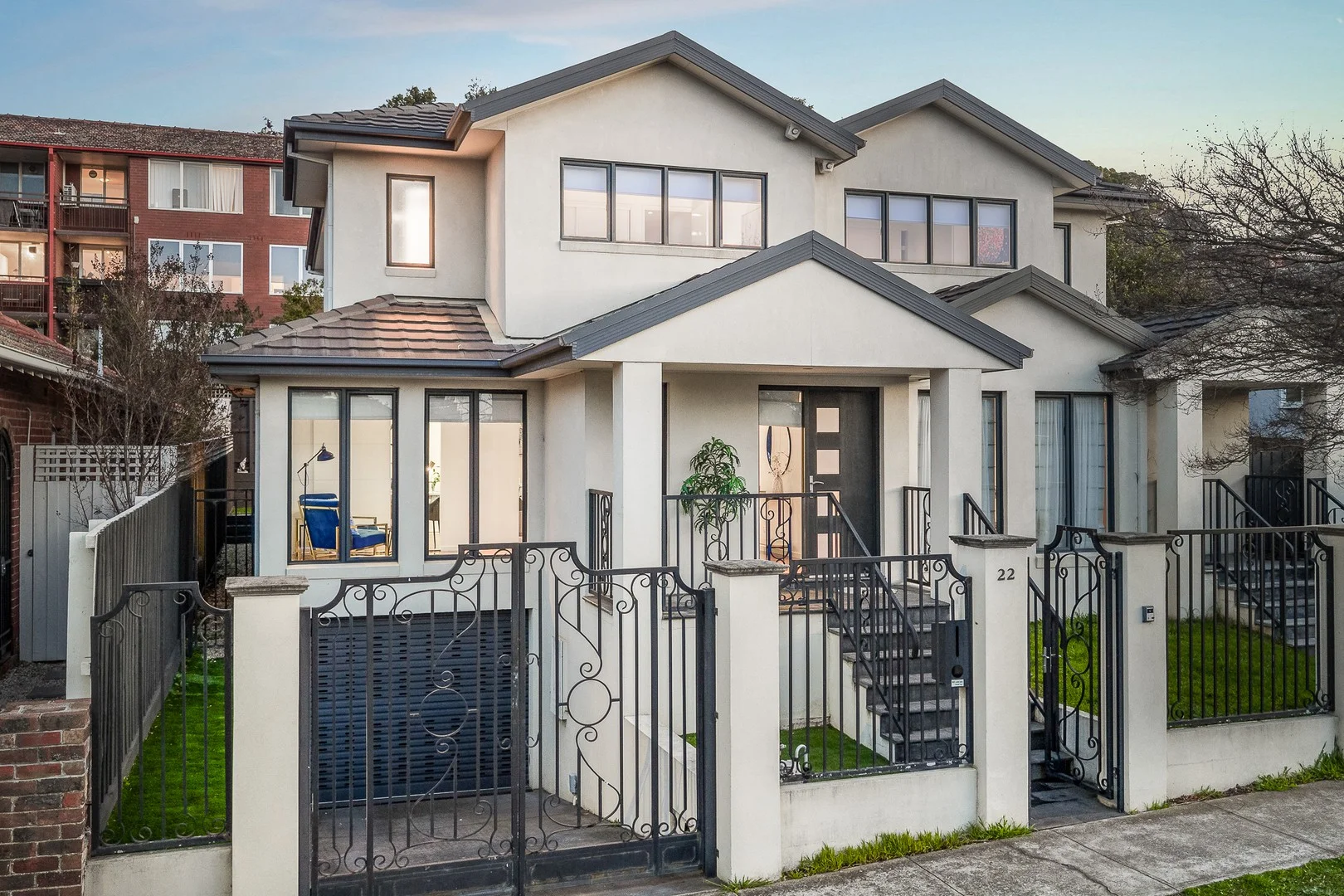 $2,390,000
Townhouse
$2,390,000
Townhouse
 $1,345,000
Apartment / Unit / Flat
$1,345,000
Apartment / Unit / Flat
 $2,900,000
Apartment / Unit / Flat
$2,900,000
Apartment / Unit / Flat
 $1,640,000
Apartment / Unit / Flat
$1,640,000
Apartment / Unit / Flat
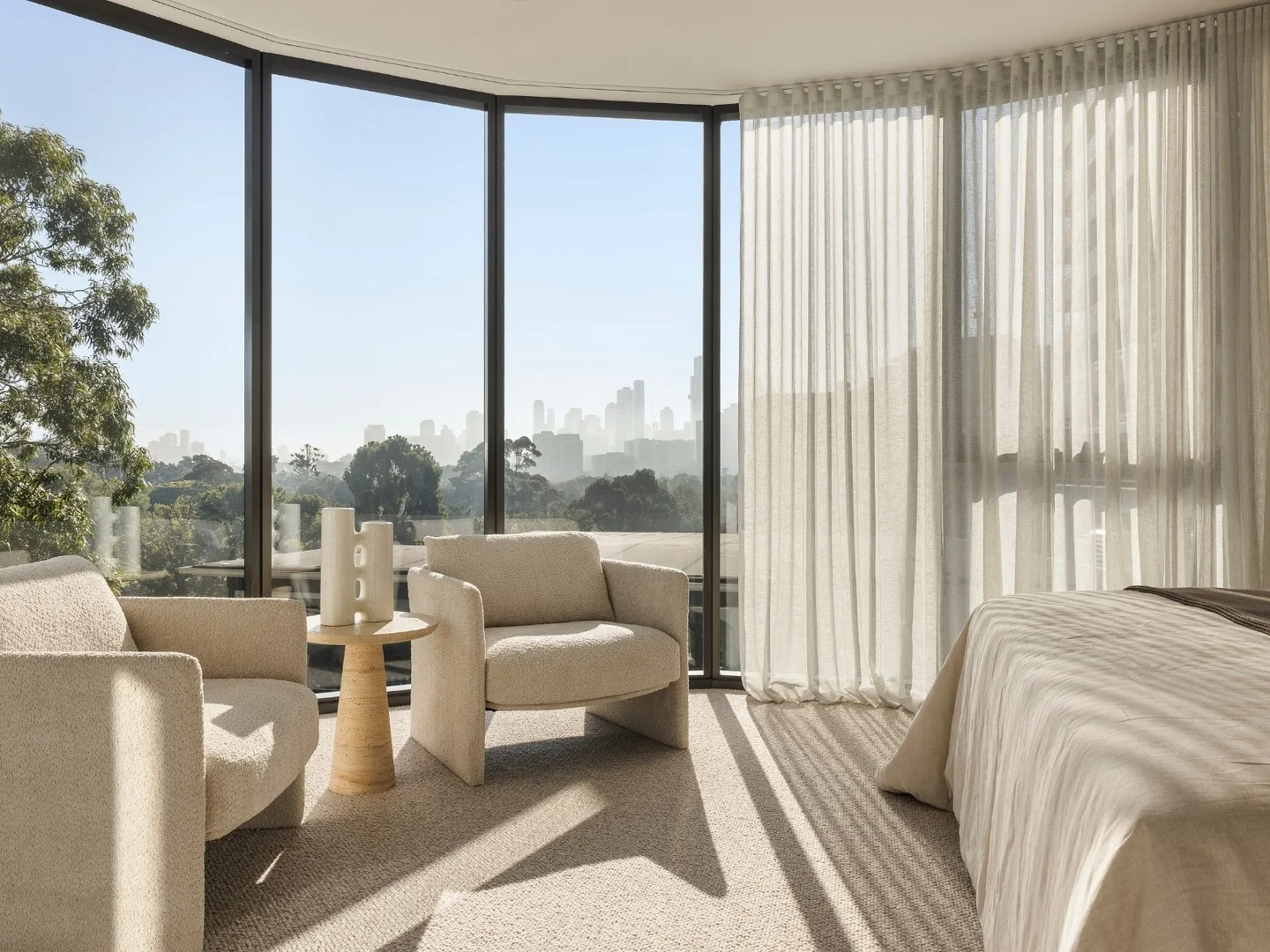 $2,750,000
Apartment / Unit / Flat
$2,750,000
Apartment / Unit / Flat
 $480,000 - $520,000
Apartment / Unit / Flat
$480,000 - $520,000
Apartment / Unit / Flat
 $1,770,000
propertyType.NEW APARTMENTS / OFF THE PLAN
$1,770,000
propertyType.NEW APARTMENTS / OFF THE PLAN
 $1,760,000
propertyType.NEW APARTMENTS / OFF THE PLAN
$1,760,000
propertyType.NEW APARTMENTS / OFF THE PLAN
 $3,700,000
propertyType.NEW APARTMENTS / OFF THE PLAN
$3,700,000
propertyType.NEW APARTMENTS / OFF THE PLAN