Overview
## 1. Overview
Dandenong Ranges Steiner School is an independent, co-educational school following the Steiner education philosophy. It offers a developmentally-aligned path from early childhood through (primary and secondary) years, with a strong emphasis on imagination, hands-on learning, the arts, and community involvement. The school tends to operate with a small-to-medium size student population, fostering a nurturing and inclusive atmosphere where students are encouraged to think creatively, behave with empathy, and develop a strong connection to the natural world.
The school aims to provide a holistic, artistically-rich curriculum that integrates academics with practical activities, movement, and nature-based learning. Class sizes are typically small, supporting close teacher-student relationships and personalised learning within a collaborative, family-friendly community.
---
## 2. Academics & Learning
- Academic strengths: The curriculum emphasizes arts-informed learning, humanities, languages, and practical crafts alongside core academic skills. Learning is often project- and craft-based, helping students connect concepts with real-world applications and creative problem solving.
- Special programs: Steiner education foundations are central, with integrated arts, handwork, music, movement, and nature study woven into each year. There may be opportunities for gifted and talented pathways within the Steiner framework and extensions through projects and community partnerships.
- NAPLAN / Ofsted trends: As a private Steiner school in Victoria, formal NAPLAN or Ofsted-style trend reporting is not typically published. Progress is commonly tracked through ongoing teacher assessments, portfolios, and internal reports aligned with Steiner educational goals.
- Student-teacher ratios: Class sizes are generally in the small-to-medium range, often around 1:8 to 1:12, enabling frequent teacher attention and individualized support.
- Support for diverse learners: There is usually a focus on inclusive practices, with support for diverse learners (including English as an Additional Language where relevant) and targeted assistance within the classroom or via a learning support team. Individualised learning plans and referrals to allied health professionals may be available as needed.
---
## 3. Sports & Extracurricular Strengths
- Sports offered: A broad PE program typically includes team sports (e.g., soccer, netball), athletics, swimming where applicable, and outdoor education activities. Emphasis is often on participation, fitness, coordination, and teamwork rather than sheer competition.
- Strong teams or achievements: Strategies and opportunities tend to emphasize school-wide participation and personal bests; where applicable, students may participate in regional inter-school events or clusters.
- Music, arts, drama programs: Music, visual arts, movement, and drama are core components of the Steiner approach, with regular performances, concerts, and showcases.
- Clubs: Robotics, chess, coding, debating, and other creative or academic clubs are commonly offered to extend learning beyond the classroom.
- Partnerships: The school may engage with local community groups, regional Steiner networks, and external competitions or festivals to broaden opportunities in arts, science, and technology.
---
## 4. Wellbeing & Pastoral Care
- Anti-bullying approach: A strong emphasis on respectful, mindful interaction and restorative practices to address conflicts and strengthen social-emotional wellbeing.
- House system: A house-style structure is often used to foster belonging, mentorship, and a sense of community across year levels.
- Counsellors / wellbeing officers: On-site wellbeing staff or access to school-based counsellors are typically available to support students.
- Transition support for new students: Initiatives such as buddy programs, orientation sessions, and parent information evenings help new students settle in and connect with peers and staff.
---
## 5. Facilities
- Sports grounds: Dedicated outdoor spaces and fields for physical education and activities.
- Libraries: A school library with age-appropriate resources to support reading, research, and creative projects.
- Science labs: Laboratory spaces suitable for hands-on experiments and inquiry-based learning.
- Music/performing arts centers: Dedicated rooms or spaces for music practice, rehearsals, and performances.
- Tech/innovation labs: Makerspaces or computer labs to support digital literacy and project-based learning.
- Cafeteria: On-site dining facilities offering healthy options for students.
- Updated playgrounds: Safe, accessible play areas updated to support active, imaginative play.
- Additional: Natural outdoor spaces and garden areas often form part of the learning environment, aligning with ecology and nature-based activities.
---
## 6. School Values & Community Culture
- School values / mission: A focus on curiosity, compassion, respect, responsibility, and ecological stewardship; education as a holistic journey supporting social, emotional, and moral development.
- Leadership style: Collaborative and distributed leadership that involves teachers, students, and families in decision-making and school life.
- Behaviour expectations: Gentle, respectful behavior; emphasis on empathy, responsibility for self and others, and mindful communication.
- Community reputation: A close-knit, supportive community that values parent involvement and student wellbeing.
- Diversity & inclusion: Commitment to an inclusive environment that respects diverse backgrounds and abilities, with practices that support all students to participate and thrive.
---
## 7. School Logistics & Daily Operations
- School hours: Typical school day starts mid-morning and ends mid-afternoon, with a schedule designed to fit a holistic daily rhythm (exact times may vary by year level).
- Before/after school care: Often available, with supervised options before or after the standard school day to support working families.
- Uniform requirements: A school uniform or standard dress code is commonly required, with seasonal adjustments and practical clothing for daily activities.
- Transport: Access to local bus routes, possible school transport options, and parking facilities; information on public transport accessibility is typically provided by the school.
- Canteen availability: On-site canteen or lunch facilities with healthy options; concessions or lunch orders may be offered.
- Fees: Fees are in the private/independent range and are generally described as mid-to-high relative to local private schooling; additional costs may apply for trips, materials, and uniforms.
---
## 8. Enrolment & Admissions
### 11. What is the enrolment process and timeline?
- Inquiries typically begin with an information session or open day.
- Parents complete an application form and submit requested documents (birth certificates, immunisation records, previous school reports if available).
- Families may be invited to participate in an observation visit or an interview with a teacher and/or administrator.
- The school may require a child observation, a family interview, and confirmation of place with an offer if spaces are available.
- Once an offer is accepted, an enrolment agreement and deposit are typically required to secure a place, followed by orientation planning for the new student.
### 12. Is there a waiting list, and how does it work?
- Many Steiner schools operate with a waiting list when year levels are full. Waiting lists can be influenced by grade level, previous attendance, and sibling considerations.
- Priority may be given to siblings; families on the waitlist are kept informed about expected timelines and any changes in space availability.
### 13. Are there any entry requirements, tests, or interviews?
- Entry generally does not involve formal academic testing. Instead, there is usually an interview and an observation or trial activity to assess fit with the Steiner approach.
- A family interview is common to ensure alignment with the school’s philosophy and community values.
- Some schools may request basic documentation and may assess readiness for the program level being sought.
### 14. Does the school accept mid-year transfers?
- Mid-year transfers are possible if space is available and the student’s profile aligns with the program’s needs.
- Transfers typically require an interview/observation, submission of previous school records, and a plan for transition that supports continuity in learning and wellbeing.
---
## 9. Frequently Asked Questions
- Why Parents Choose This School?
- Parents often choose Steiner schools for their holistic, arts-rich approach, emphasis on social-emotional development, and a close-knit community that supports independence, responsibility, and curiosity.
- What type of student thrives at this school?
- Students who are curious, creative, and collaborative; those who prefer hands-on learning, artistic expression, and a community-focused environment tend to flourish.
- What opportunities are available for students to extend their skills (academics, sports, arts)?
- Expanded arts programs (music, drama, handcrafts), outdoor and environmental learning, clubs (robotics, chess, coding, debating), and field trips/anecdotal projects that integrate academic growth with real-world experiences.
- How does the school communicate with parents?
- Regular newsletters, emails, parent-teacher meetings, and a school portal or app for updates, schedules, and announcements; open days and information sessions are common.
- What is the school’s approach to teaching and learning?
- A holistic, developmental approach that weaves academics with arts, crafts, movement, and nature; learning is project-based, cooperative, and guided by experienced teachers who build strong relationships with students.
- How does the school support students who need extra academic help?
- Individualised learning support, targeted interventions, and collaborative planning with families; access to learning support staff and referrals as needed.
- What support is available for academic challenges?
- Additional tutoring or small-group work, adjustments to tasks to match readiness, and ongoing progress monitoring to adapt goals.
- How does the school communicate with parents? (Repeated)
- See above; includes newsletters, meetings, and digital communications.
- What are the class sizes and how much individual attention do students receive?
- Classes are intentionally small-to-medium, typically enabling substantial individual attention and strong teacher-student relationships within a multi-age or year-level structure.
- What extracurricular and sports opportunities are available?
- A range of sports, arts, and clubs such as robotics, chess, coding, debating, and drama; opportunities to participate in community events and regional activities.
- What facilities does the school offer (sports, science, arts)?
- Sports grounds, libraries, science labs, music/performing arts spaces, tech/innovation labs, canteen, and well-maintained play and outdoor learning areas.
- What is the school’s approach to technology and digital learning?
- Technology is used purposefully to support learning, digital literacy is promoted, and there is an emphasis on mindful, age-appropriate use and online safety.
- What transport and accessibility options are available?
- Information on local transport options, possible school bus services, accessibility features, and parking arrangements is provided by the school.
- What are the typical school fees or additional costs?
- School fees are in the independent/private range and may include charges for trips, materials, uniform, and optionally activities not included in standard tuition.
---
## 10. Short Pros & Cons list
- Pros
- Holistic, arts-rich curriculum aligned with Steiner principles
- Small-to-medium class sizes encouraging individualized attention
- Strong emphasis on wellbeing, community, and values
- Inclusive culture with a focus on creativity, curiosity, and social-emotional development
- Rich extracurriculars in arts, crafts, music, and clubs
- Cons
- As an independent school, fees may be higher than public options
- Standardized test data (e.g., NAPLAN) may not be publicly published or prioritized
- Pathways to traditional exam routes (like IB) are not the focus of Steiner education
- Availability of places can be limited in certain year levels, potentially leading to waiting lists






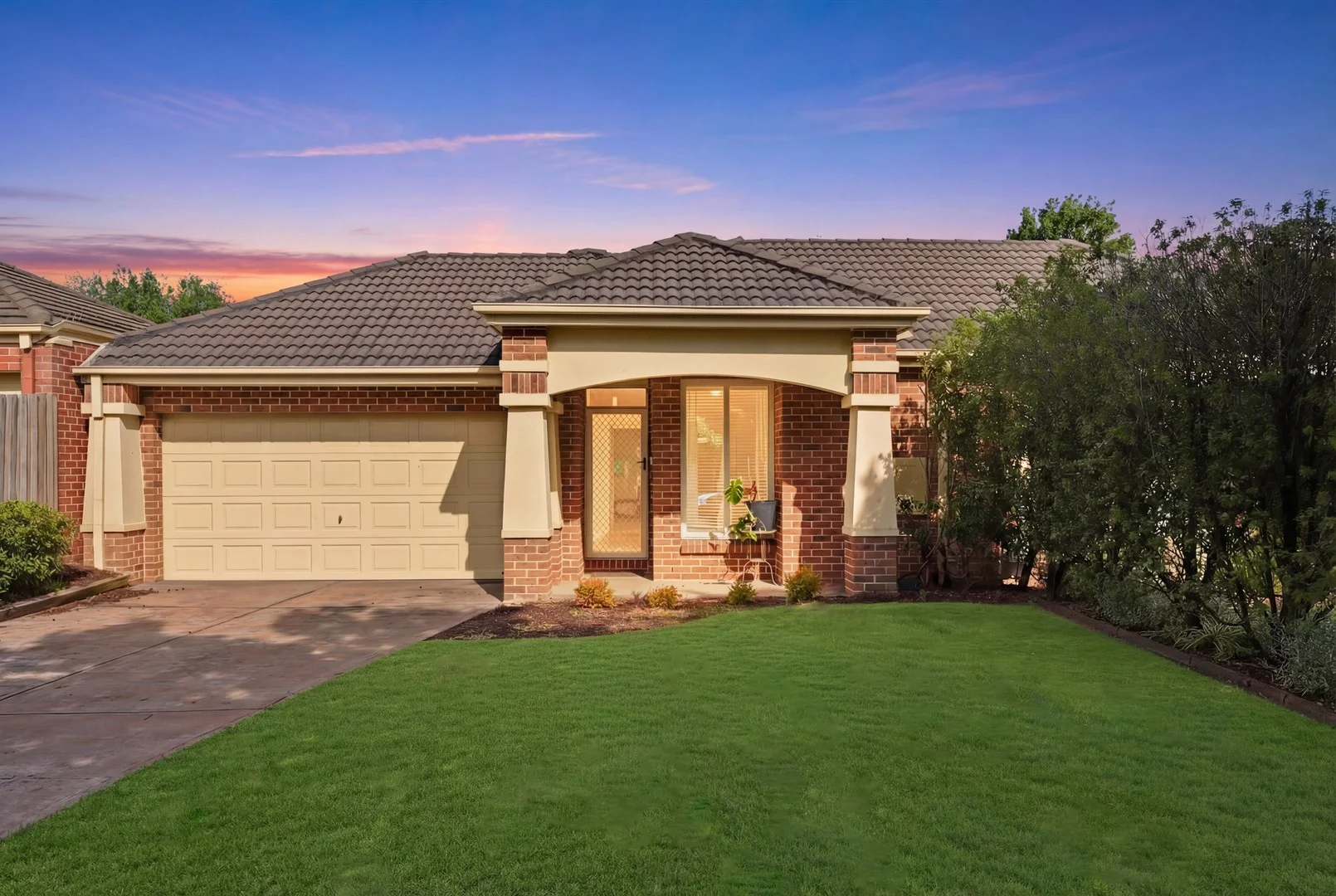 $795,000 - $835,000
House
$795,000 - $835,000
House
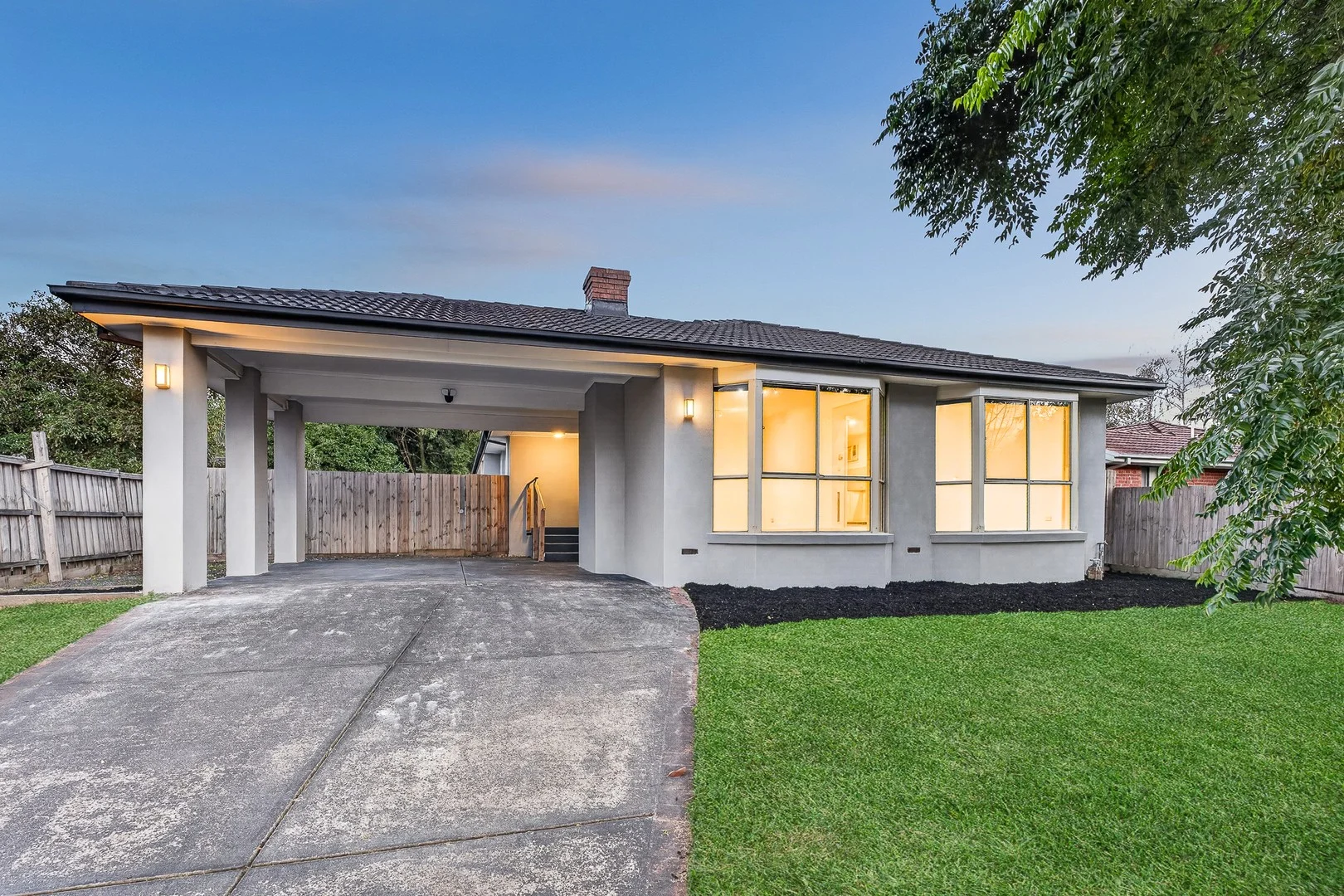 $800,000 - $880,000
House
$800,000 - $880,000
House
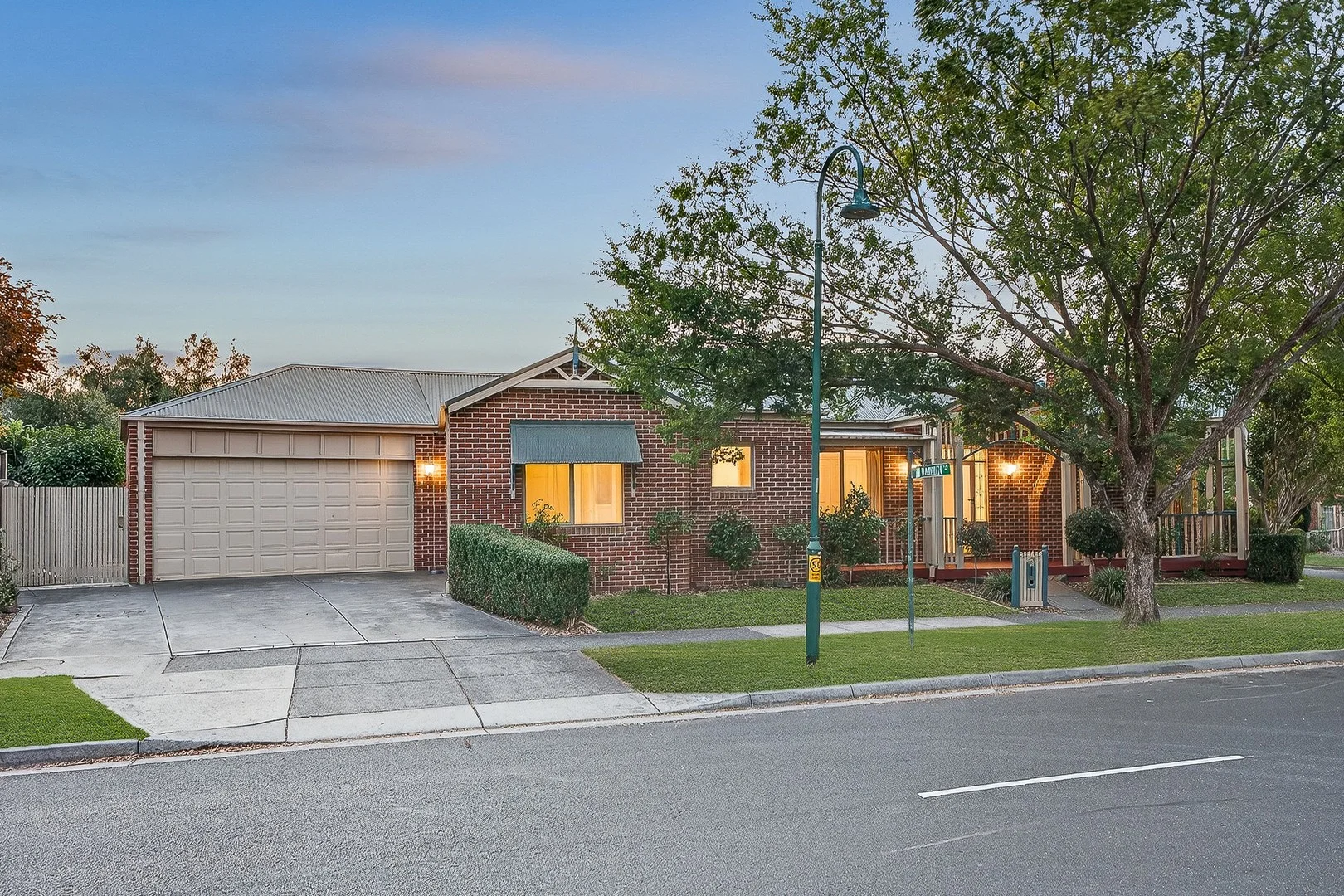 $700
House
$700
House
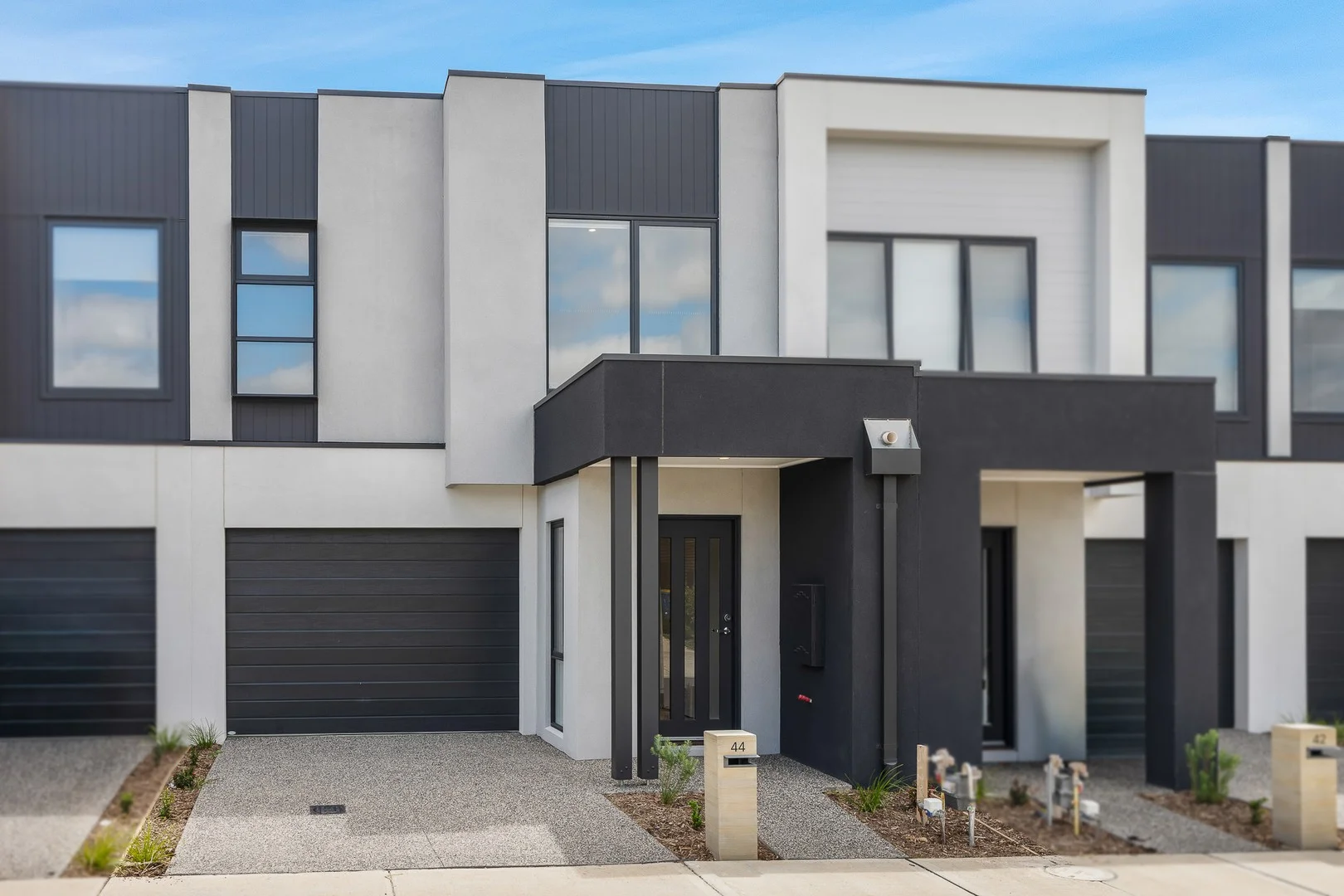 $595,000 - $645,000
House
$595,000 - $645,000
House