Overview
1. Overview
St Joseph's College - Gregory Terrace is an independent Catholic day school for boys in Brisbane’s inner north. The College combines a strong academic program with a broad sporting and cultural life, anchored in values-based education. It emphasizes leadership, service and community, while maintaining a welcoming, inclusive atmosphere.
- School type: Independent Catholic
- School size: Medium
- Class size: Approximately 22–26 students per class
- Atmosphere/culture: Academic, nurturing, sport-focused, values-driven
2. Academics & Learning
- Academic strengths: Strong focus on STEM, English/literacy, leadership development and languages; balanced emphasis on science, mathematics, humanities and creative arts.
- Special programs: Leadership development opportunities, accelerated learning options in maths and English, and gifted/talented extension activities within the curriculum.
- NAPLAN / trends: Consistently competitive performance with positive year-to-year trends in reading, writing and numeracy; focused on continuous improvement.
- Student-teacher ratios: Generally lower than state average, approx. 1:12–1:15 in many year levels, enabling more targeted instruction.
- Support for diverse learners: Dedicated EAL and SEN support; learning support services and access to tutors or modification plans as needed; inclusive learning pathways.
3. Sports & Extracurricular Strengths
- Sports offered: Rugby union, cricket, football (soccer), basketball, tennis, swimming, athletics; strong emphasis on team sport participation.
- Strong teams or achievements: Noted for competitive rugby and cricket programs with regular participation in regional competitions; strong school-wide participation in sport and inter-school fixtures.
- Music, arts, drama programs: Active music program (bands, ensembles, choir), drama productions and opportunities for performance in school events and productions.
- Clubs: Robotics, chess, coding, debating and other academic clubs; broad extra-curricular opportunities to suit varied interests.
- Partnerships: Local clubs and competitions braided into the co-curricular calendar; partnerships with community sport bodies and regional competitions to broaden opportunities.
4. Wellbeing & Pastoral Care
- Anti-bullying approach: Structured anti-bullying policy with clear reporting, restorative practices and student-led initiatives; emphasis on respectful conduct and peer support.
- House system: House-based pastoral care and inter-house events that foster belonging, mentorship and social development.
- Counsellors / wellbeing officers: Access to school counsellors and wellbeing staff to support student mental health, transition periods and personal development.
- Transition support for new students: School orientation, buddy systems, and targeted induction to help new students settle into routines and build friendships.
5. Facilities
- Sports grounds: Dedicated sport fields and courts supporting rugby, cricket, football, basketball and athletics.
- Libraries: Well-equipped library with study spaces and resources.
- Science labs: Modern science laboratories for hands-on learning across STEM subjects.
- Music/performing arts centers: On-site facilities for music ensembles, rehearsals and performances; theatre spaces for drama productions.
- Tech/innovation labs: Integrated spaces for coding, robotics and technology-enabled learning.
- Cafeteria: On-site dining facilities and food service options.
- Updated playgrounds: Modern play and recreational spaces supporting outdoor activity and supervision.
6. School Values & Community Culture
- School values / mission: Catholic values emphasizing integrity, service, leadership, respect and community-mindedness.
- Leadership style: Student-centered, mentorship-driven with adult guidance; emphasis on responsible leadership and service to others.
- Behaviour expectations: Clear codes of conduct, uniform standards and an expectation of respectful, responsible behaviour across all settings.
- Community reputation: Positive standing in Brisbane’s inner-north community; active alumni and strong parent involvement.
- Diversity & inclusion: Commitment to welcoming students from diverse backgrounds and fostering inclusive participation in all activities.
7. School Logistics & Daily Operations
- School hours: Typical day runs from start mid-morning to mid-afternoon with variations by year level and timetable; after-school activities may extend availability.
- Before/after school care: Availability of supervised programs before and after school to support families.
- Uniform requirements: Full school uniform during core day; sports uniform for PE and games; regular uniform expectations and dress standards.
- Transport (train/bus routes): Accessible by local transport and school-arranged bus routes where offered; convenient access from surrounding areas.
- Canteen availability: On-site canteen or lunch facilities supporting students during the day.
- Fees (low/medium/high ranges): Fee levels are in the higher range typical of independent Catholic schools; families should expect annual tuition plus any additional activity or resource fees.
8. Enrolment & Admissions
11. What is the enrolment process and timeline?
- Submit expression of interest and complete the official application.
- Provide requested documentation (report cards, references, and any required consent forms).
- Attend entrance assessment and an interview (academic, pastoral and family) as part of the shortlisting process.
- Receive offer of placement if suitable; confirm by returning acceptance and paying required fees.
- Complete any enrolment steps (including medical forms, uniform fitting dates, and orientation).
Timeline varies by intake, with early priority for siblings and current Catholic families; applications are usually reviewed on a rolling basis.
12. Is there a waiting list, and how does it work?
- Yes, there is a waiting list when demand exceeds vacancies.
- Priorities typically include siblings of current students, Catholic families, and vacancies by year level.
- Families on the waiting list are kept informed of status and any relocation opportunities as spaces become available.
13. Are there any entry requirements, tests, or interviews?
- Entry usually involves an academic assessment to gauge readiness and fit for the program.
- An interview (and possibly a transition/ pastoral discussion) is typically part of the process.
- Reports from previous schools and references may be requested; in some cases, language or learning needs may be discussed to plan appropriate support.
14. Does the school accept mid-year transfers?
- Mid-year transfers are considered on a vacancy basis.
- The process typically includes an assessment, meeting with key staff, and alignment with class composition and timetable.
- Prospective mid-year transfers should contact the admissions team early to discuss feasibility and required documentation.
9. Frequently Ask Questions
- Why Parents Choose This School?
Parents choose for a balanced, values-based education that combines strong academics with sports, leadership development and a supportive community.
- What type of student thrives at this school?
Students who are curious, diligent and engaged in both academics and co-curricular life; those who value leadership opportunities and a sense of community.
- What opportunities are available for students to extend their skills (academics, sports, arts)?
Access to accelerated learning options in core subjects, leadership programs, STEM and humanities enrichment, top-level sports teams, music ensembles and drama productions, and active clubs (robotics, coding, debating).
- How does the school communicate with parents?
Regular communications through newsletters, email updates, the school portal (where appropriate), and parent-teacher conferences.
- What is the school’s approach to teaching and learning?
A blend of traditional pathways and modern, inquiry-based learning with opportunities for collaboration, critical thinking and real-world application.
- How does the school support students who need extra academic help?
Dedicated learning support, targeted remediation, and access to tutors or adaptations as needed; EAL and SEN support where appropriate.
- What support is available for academic challenges?
Individualized support plans, tutoring options, and regular progress check-ins with teachers and the relevant wellbeing staff.
- How does the school communicate with parents? (Repeated)
See above: newsletters, email, portal access and scheduled meetings.
- What are the class sizes and how much individual attention do students receive?
Class sizes typical around 22–26 students; lower teacher-to-student ratios in targeted year levels enhance individual attention.
- What extracurricular and sports opportunities are available?
Wide range of sports (rugby, cricket, soccer, basketball, tennis, swimming, athletics), music ensembles, drama, and clubs (robotics, coding, chess, debating).
- What facilities does the school offer (sports, science, arts)?
Comprehensive facilities including sport grounds, libraries, science labs, music/performing arts spaces, tech/innovation labs, canteen and modern play areas.
- What is the school’s approach to technology and digital learning?
Integrated tech in the classroom, coding and robotics programs, and digital learning tools to support learning across subjects.
- What transport and accessibility options are available?
Bus routes and accessible transport options; convenient access to public transport and school-managed arrangements where offered.
- What are typical school fees or additional costs?
Fees are in the higher range for an independent Catholic school; tuition plus potential extra costs for books, camps, activities and tools.
10. Short Pros & Cons list
Pros
- Strong balance of academics, sport and leadership development
- Values-based education with supportive pastoral care
- Engaged co-curricular program (music, drama, clubs)
- Moderate class sizes and focused teacher attention
- Welcoming, inclusive school culture and community
Cons
- Higher tuition compared with public schools and some other options
- Limited to boys; not a co-educational environment
- Competitive admission process and potential wait lists during peak intake years











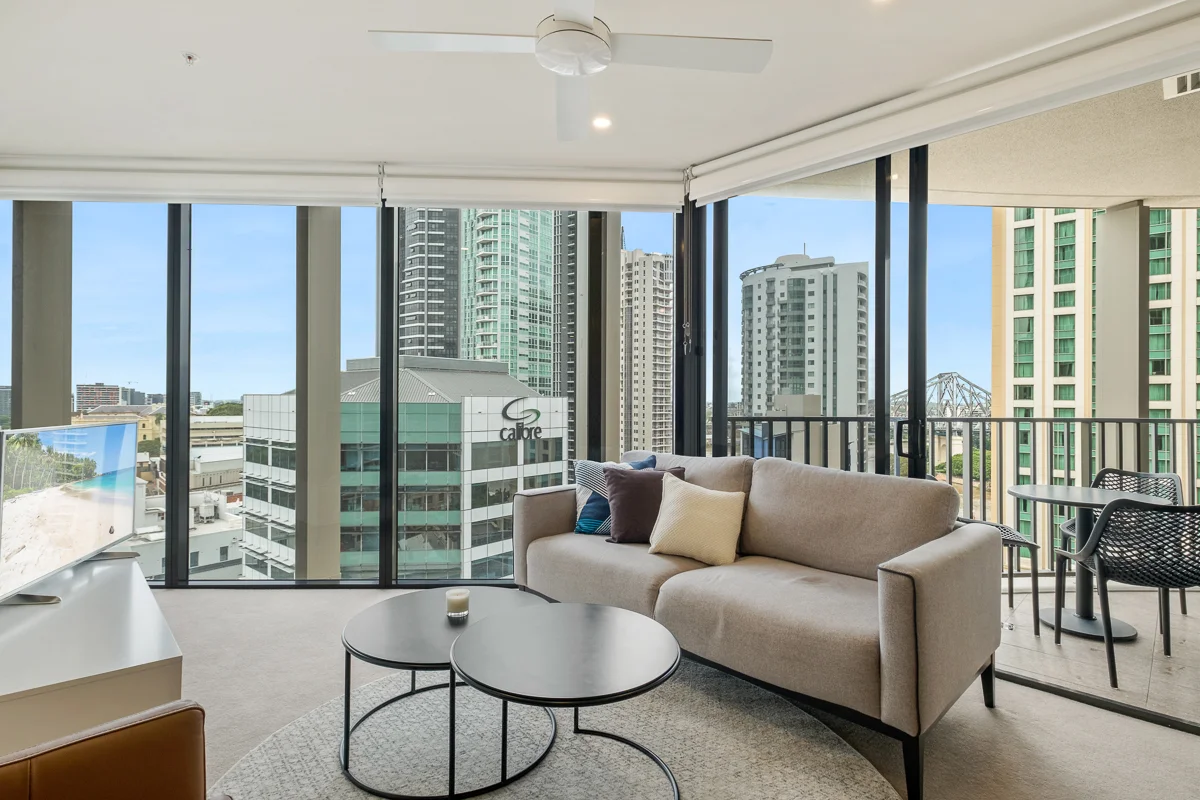 $950,000
Apartment / Unit / Flat
$950,000
Apartment / Unit / Flat
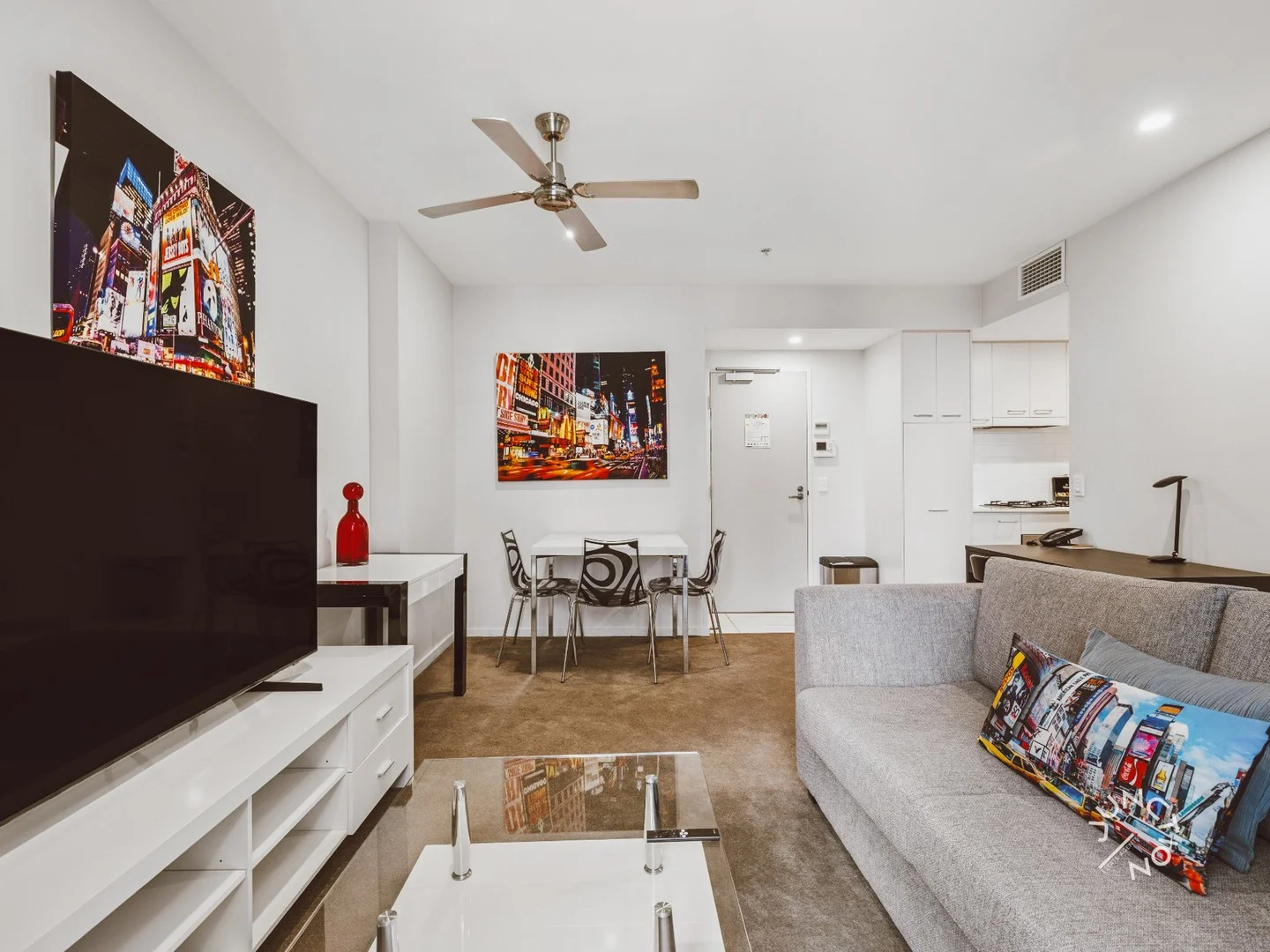 $523,200 - $566,800
Apartment / Unit / Flat
$523,200 - $566,800
Apartment / Unit / Flat
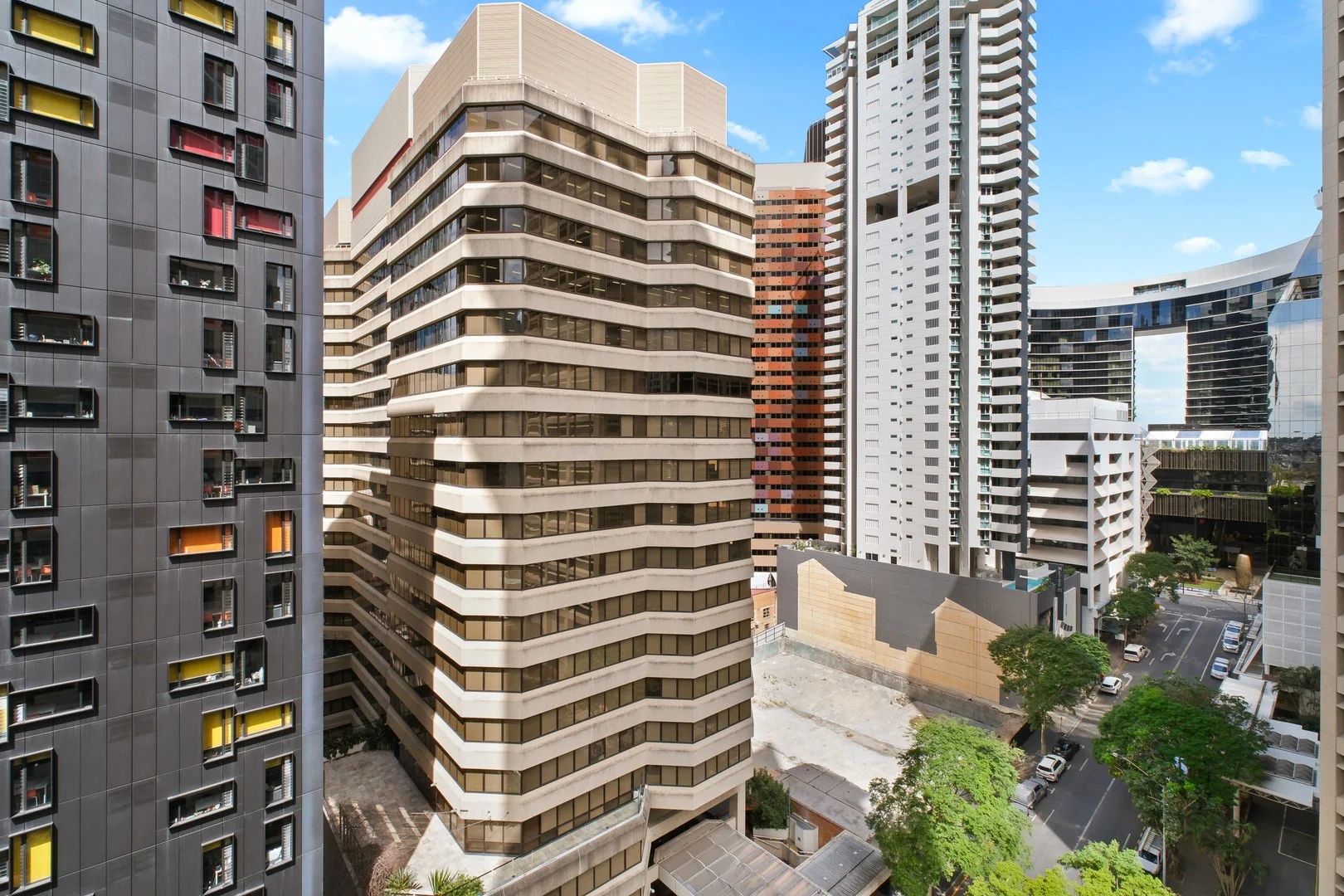 $550,000
Apartment / Unit / Flat
$550,000
Apartment / Unit / Flat
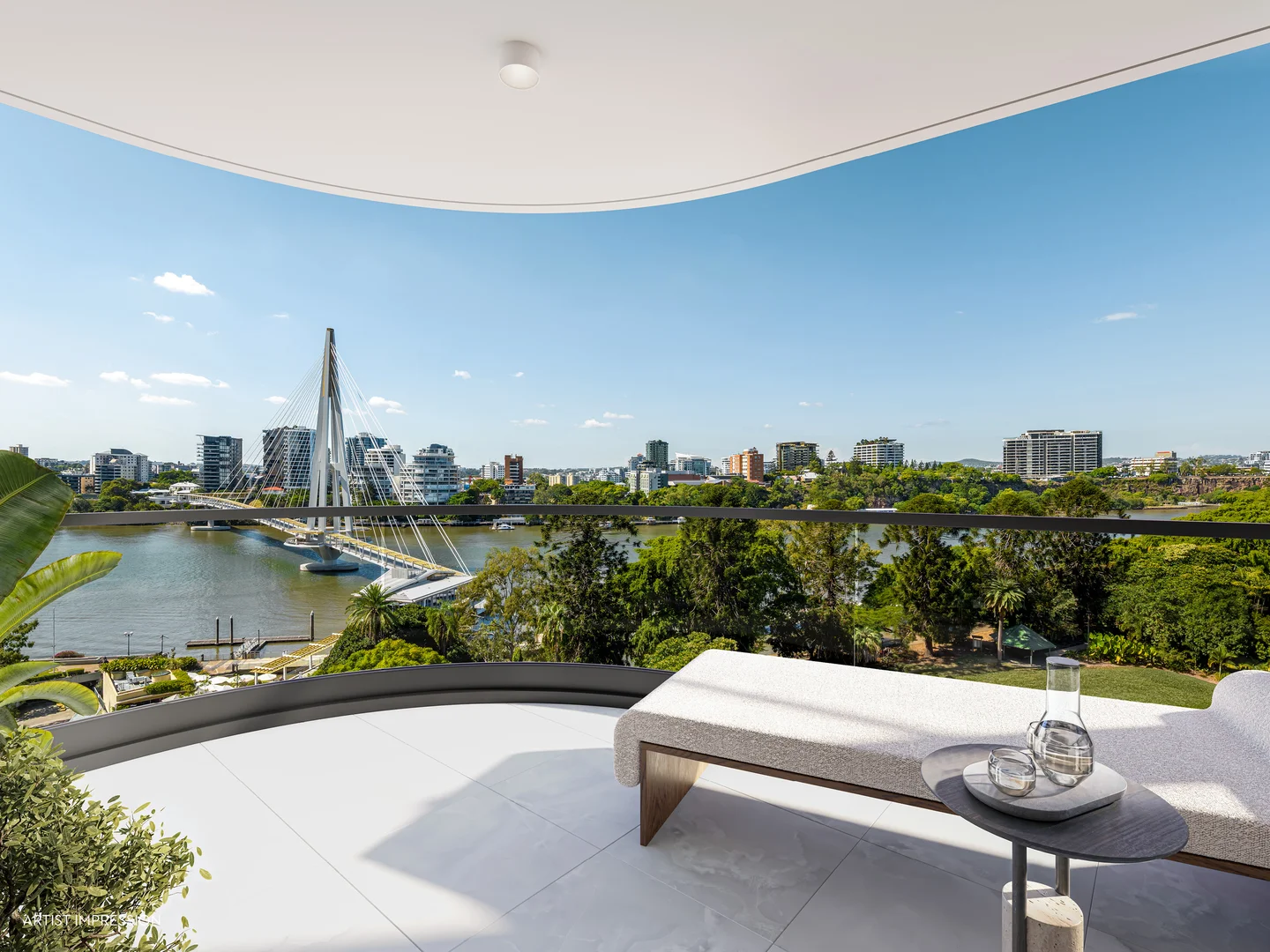 $1,475,000 - $2,090,000
propertyType.NEW APARTMENTS / OFF THE PLAN
$1,475,000 - $2,090,000
propertyType.NEW APARTMENTS / OFF THE PLAN
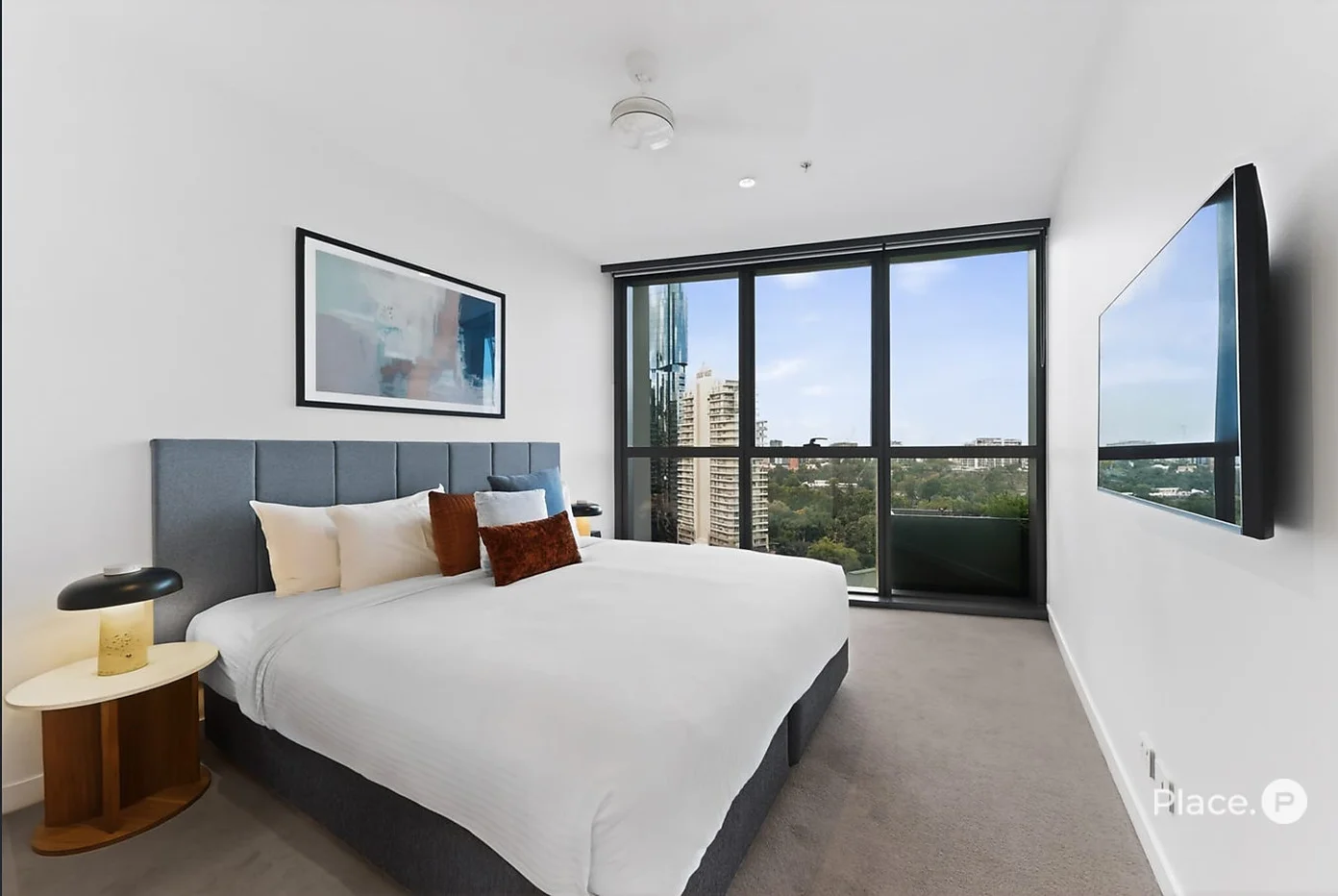 $770,000
Apartment / Unit / Flat
$770,000
Apartment / Unit / Flat