Overview
1. Overview (1–2 paragraphs max)
St Benedict’s School in Applecross is a Catholic independent school that combines a warm, faith-based community with strong academic and co-curricular opportunities. As a medium-sized school, it fosters close relationships between students, teachers and families while offering a broad curriculum and diverse experiences. Classes are designed to balance high expectations with a nurturing environment, helping students grow academically, morally and socially.
The atmosphere is inclusive and supportive, emphasising service, community involvement and personal growth. The school strives to develop confident, thoughtful learners who contribute positively to their families and the broader community.
⸻
2. Academics & Learning
- Academic strengths: Strong core literacy and numeracy, robust STEM and science programs, and opportunities to develop leadership and communication skills. Languages and arts are integrated to provide a well-rounded education.
- Special programs: Opportunities for extension and gifted programs, workplace/real-world learning experiences, and faith-based formation that complements academic study.
- NAPLAN trends: Over the past few years, performance has shown steady progress with results generally tracking near state averages and trending upward in certain cohorts as programs and supports have been refined.
- Student-teacher ratios: Typically around 1:12–1:15, varying by year level, enabling closer teacher support and personalised feedback.
- Support for diverse learners: Active EAL (English as an Additional Language) support, targeted learning support for students needing extra help, and access to SEN coordination and in-school specialists as needed.
⸻
3. Sports & Extracurricular Strengths
- Sports offered: Soccer (football), basketball, netball, cricket, athletics, swimming and cross-country; opportunities to compete in inter-school events and regional competitions.
- Strong teams or achievements: Regular participation in inter-school sport with growing track records in regional tournaments; emphasis on teamwork, discipline and sportsmanship.
- Music, arts, drama programs: Active music ensembles (choir, band), drama productions and performance opportunities, with instrumental lessons available.
- Clubs: Robotics, coding, chess, debating and other academic/curiosity-based clubs.
- Partnerships: Collaborations with local community clubs and regional competitions to broaden exposure and network for students.
⸻
4. Wellbeing & Pastoral Care
- Anti-bullying approach: Clear anti-bullying policies, student-led initiatives and staff-led wellbeing practices to foster a safe, respectful culture.
- House system: House-based events and competitions to build belonging, leadership opportunities and peer support.
- Counsellors / wellbeing officers: On-site school counsellor and wellbeing staff available for student support, with pathways to external services when needed.
- Transition support for new students: Structured induction, buddy programs and orientation activities to help students settle in smoothly.
⸻
5. Facilities
- Sports grounds: Adequate playing fields and courts to support physical education and team sports.
- Libraries: Well-stocked libraries with quiet study spaces and research resources.
- Science labs: Modern science laboratories for hands-on experiments and inquiry-based learning.
- Music/performing arts centers: Dedicated spaces for rehearsals, music lessons and small-scale performances.
- Tech/innovation labs: Computer/tech labs and makerspaces to support coding, robotics and digital learning.
- Cafeteria: On-site canteen offering healthy meal options.
- Updated playgrounds: Safe, age-appropriate outdoor play areas and recreational spaces.
⸻
6. School Values & Community Culture
- School values / mission: Catholic faith-based education prioritising character, service, respect, integrity and compassionate leadership.
- Leadership style: Collaborative, student-centered leadership; strong parent and community involvement.
- Behaviour expectations: Clear expectations around respect, responsibility, safety and service to others.
- Community reputation: Positive and supportive reputation within the local and broader Catholic school communities.
- Diversity & inclusion: Commitment to an inclusive environment that welcomes families from diverse backgrounds and supports equal opportunity for all students.
⸻
7. School Logistics & Daily Operations
- School hours: Traditional school day with start and finish times aligned to primary/college schedules; after-school programs available.
- Before/after school care: Availability of before- and after-school care or supervision to assist working families.
- Uniform requirements: School uniform policy with guidelines for daily wear and sport/ceremonial uniforms.
- Transport (train/bus routes): Access to local bus services and public transport; information on feasible routes and drop-off points provided by the school.
- Canteen availability: On-site canteen or lunch facilities offering healthy options.
- Fees (low/medium/high ranges): Fees fall in the medium-to-high range for private Catholic schools; precise figures provided on request.
⸻
8. Enrolment & Admissions
11. What is the enrolment process and timeline?
- Submit an application with required documentation.
- Complete any school-specific assessments or interviews.
- Family interview with admissions staff.
- Offer of enrolment, followed by acceptance and payment of any deposits.
- Orientation and transition activities scheduled prior to start.
12. Is there a waiting list, and how does it work?
- Waiting lists may apply when places are limited. Priority often given to siblings and returning families; timelines vary by intake year and year level.
13. Are there any entry requirements, tests, or interviews?
- Applications typically require documentation, faith-related considerations, and may include an interview and/or assessment to determine fit with the school’s programs and culture.
14. Does the school accept mid-year transfers?
- Mid-year transfers may be possible subject to available places and a smooth transition plan for the student’s curriculum and wellbeing needs.
⸻
9. Frequently Asked Questions
- Why Parents Choose This School?
- Families value the Catholic ethos, supportive community, focus on character development alongside academics, and opportunities for involvement across sport, arts and service.
- What type of student thrives at this school?
- Students who appreciate a values-based environment, strong teacher support, collaborative learning, and a balance of academics, sport and arts tend to thrive here.
- What opportunities are available for students to extend their skills (academics, sports, arts)?
- Extension in core subjects, leadership roles, advanced sport pathways, choir/band, drama productions, robotics and coding clubs, and debate teams.
- How does the school communicate with parents?
- Regular emails, newsletters, a school app or portal, parent-teacher interviews, and progress reports keep families informed.
- What is the school’s approach to teaching and learning?
- Student-centered, differentiated instruction with a mix of direct teaching, inquiry-based learning, and integrated technology to support literacy, numeracy and critical thinking.
- How does the school support students who need extra academic help?
- Targeted literacy and numeracy support, EAL services, in-class differentiation, small-group interventions, and access to specialist staff.
- What support is available for academic challenges?
- Early identification, personalised learning plans, tutoring or assistive strategies, and coordination with families to monitor progress.
- How does the school communicate with parents?
- See above: regular updates through email/app, with opportunities for face-to-face discussions and formal reports.
- What are the class sizes and how much individual attention do students receive?
- Class sizes typically range around 20–25 students, with frequent teacher checkpoints and opportunities for individual feedback.
- What extracurricular and sports opportunities are available?
- A range of sports (soccer, basketball, netball, cricket, athletics), music ensembles, drama, robotics, coding, chess and debating clubs.
- What facilities does the school offer (sports, science, arts)?
- Sports grounds and courts, libraries, science labs, music/performing arts spaces, tech/innovation labs, canteen and well-maintained outdoor areas.
- What is the school’s approach to technology and digital learning?
- Technology integrated into learning with age-appropriate devices, digital literacy, and a focus on safe, responsible use of tech.
- What transport and accessibility options are available?
- Access to local bus services and public transport; clear guidance on drop-off/pick-up zones and accessibility considerations.
- What are the typical school fees or additional costs?
- Fees fall in the medium-to-high range for private Catholic schools; there are standard costs for uniforms, excursions and additional activities. Contact admissions for exact figures.
⸻
10. Short Pros & Cons list
Pros
- Strong Catholic identity with a values-based culture
- Medium-sized, community-focused environment
- Solid academic program with targeted support
- Balanced emphasis on sport, arts and leadership
- Active wellbeing and pastoral care
Cons
- Fees reflect private school status; financial planning needed
- Limited places may require waiting lists for some year groups
- Specific programs and facilities may vary by year level; confirm current offerings
⸻








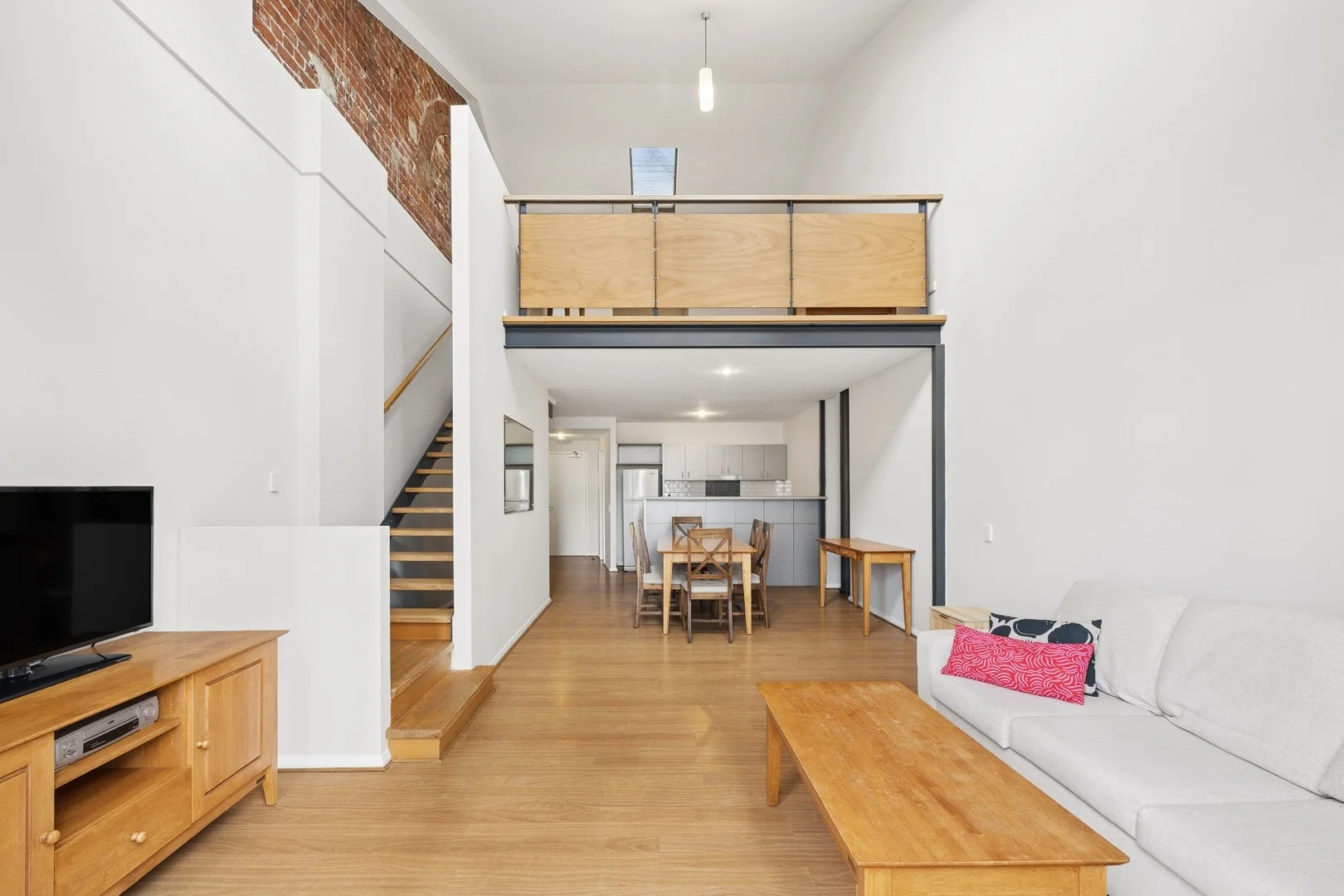 $549,000
Apartment / Unit / Flat
$549,000
Apartment / Unit / Flat
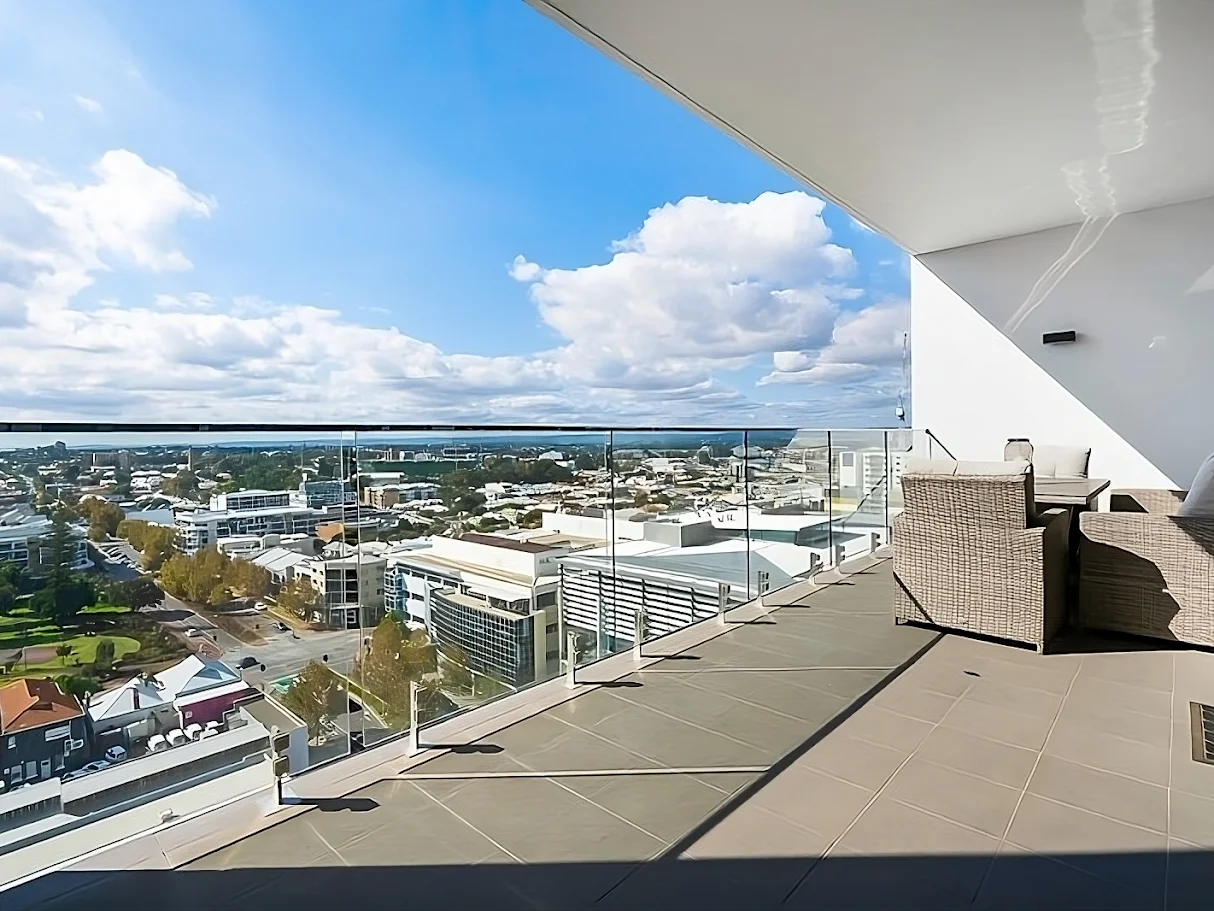 $580,000
Apartment / Unit / Flat
$580,000
Apartment / Unit / Flat
 $700,000
Apartment / Unit / Flat
$700,000
Apartment / Unit / Flat