Overview
1. Overview
- Method/Type: Independent private girls’ school offering day education (historical roots as Methodist Ladies’ College).
- School size: Medium, with a substantial student body across the P–12 spectrum.
- Class size: Generally in the low 20s per class, supporting more individual attention.
- Atmosphere/Culture: An academically focused yet nurturing and inclusive environment that encourages leadership, service, and participation in a range of pursuits.
2. Academics & Learning
- Academic strengths: Strong programs across STEM, English, languages, and the humanities, with opportunities to develop leadership and collaboration skills.
- Special programs: Gifted and talented pathways, accelerated or enriched learning options, and leadership development opportunities integrated into the curriculum.
- NAPLAN / trends: Positive progress and consistency over recent years, reflecting a strong learning culture and ongoing emphasis on literacy and numeracy.
- Student-teacher ratios: Small-to-mid class sizes that support personalized instruction and teacher accessibility.
- Support for diverse learners: Dedicated support for EAL students and learning support services for students needing additional assistance or accommodations.
3. Sports & Extracurricular Strengths
- Sports offered: A broad range of team and individual sports (e.g., netball, basketball, swimming, tennis, athletics, soccer, and rowing as available).
- Strong teams or achievements: Competitive participation in inter-school and regional events with ongoing development of athletic talent.
- Music, arts, drama programs: Robust performing arts opportunities including ensembles, theatre productions, and musical performances.
- Clubs: Robotics, chess, coding, debating, and other academic and interest-based clubs.
- Partnerships: Collaborations with local academies, universities, and competition circuits to extend experiences beyond the classroom.
4. Wellbeing & Pastoral Care
- Anti-bullying approach: Clear policies and proactive wellbeing strategies to foster a safe and respectful school climate.
- House system: House groups support belonging, community spirit, and positive competition within the school.
- Counsellors / wellbeing officers: Access to school counsellors and wellbeing staff to support student mental health and resilience.
- Transition support for new students: Orientation programs, buddy systems, and targeted transition support to help new students settle in.
5. Facilities
- Sports grounds: On-site or nearby sports facilities suitable for a broad range of activities.
- Libraries: Well-stocked libraries with study spaces and resources for research and reading.
- Science labs: Modern science laboratories supporting practical experiments across disciplines.
- Music/performing arts centers: Dedicated spaces for rehearsals, performances, and productions.
- Tech/innovation labs: Design, technology, and computing spaces to support STEAM learning.
- Cafeteria: On-site catering and dining facilities for students and staff.
- Updated playgrounds: Play and recreation areas designed for safe outdoor activity.
6. School Values & Community Culture
- Values / mission: Emphasis on respect, integrity, excellence, and service, with a focus on developing responsible, compassionate young women.
- Leadership style: Collaborative and student-centred, with opportunities for student voice and leadership roles.
- Behaviour expectations: Clear standards for conduct, courtesy, and accountability aligned with the school’s values.
- Community reputation: Positive standing within the WA independent school community, with emphasis on scholarship, character, and contribution.
- Diversity & inclusion: Commitment to inclusive education and celebrating diversity within the student body and programs.
7. School Logistics & Daily Operations
- School hours: Typically a standard school day schedule with start and finish times aligned to year level structures.
- Before/after school care: Available options for early drop-off and after-school supervision.
- Uniform requirements: Formal school uniform with guidance on daily wear, sports wear, and accessories.
- Transport (train/bus routes): Access to school transport options or nearby public transport routes; information usually available via the school’s transport guidance.
- Canteen availability: On-site or partner provision for canteen services and meal options.
- Fees (low/medium/high ranges): Fees fall in the mid-to-high range for independent WA private schools, with associated costs for uniforms, activities, and excursions.
8. Enrolment & Admissions
- 11. What is the enrolment process and timeline?
- Typical steps include submitting an application, attending an open day or information session, completing any required admissions assessments or interviews, receiving an offer, and confirming enrolment with a deposit and documentation. Timelines vary by year level and demand but usually run on a defined cycle aligned with the school calendar.
- 12. Is there a waiting list, and how does it work?
- Some year levels may have waiting lists. Offers are made based on availability, year level demand, and screening criteria; priority may apply for siblings or preferred entry points depending on the school’s policy.
- 13. Are there any entry requirements, tests, or interviews?
- Entry often involves an interview or discovery session, academics or aptitude considerations, and submission of past reports. Some year levels may require assessment to gauge readiness and fit.
- 14. Does the school accept mid-year transfers?
- Mid-year transfers are possible subject to space, meeting entry requirements, and completing the admissions process for the new intake.
9. Frequently Ask Questions
- Why Parents Choose This School?
- A balanced environment where strong academics sit alongside wellbeing, leadership development, and a welcoming, values-driven community.
- What type of student thrives at this school?
- Motivated, curious, collaborative students who engage across academics, arts, sport, and service, and who value a structured, supportive school culture.
- What opportunities are available for students to extend their skills (academics, sports, arts)?
- Enrichment pathways in STEM and humanities, leadership programs, advanced coursework, a broad sports program, and performing/creative arts opportunities.
- How does the school communicate with parents?
- Regular updates through newsletters, emails, parent portals, meetings, and a structured calendar that outlines events and milestones.
- What is the school’s approach to teaching and learning?
- Student-centred, inquiry-based and differentiated instruction designed to meet diverse learning needs and foster independent thinking.
- How does the school support students who need extra academic help?
- Access to learning support staff, EAL assistance, tutoring options, and targeted interventions as needed.
- What support is available for academic challenges?
- Ongoing counselling, study skills coaching, mentoring, and collaboration with families to create effective support plans.
- How does the school communicate with parents?
- See above: regular channels including portals, emails, and parent-teacher discussions.
- What are the class sizes and how much individual attention do students receive?
- Class sizes are designed to be small-to-mid, enabling more individualized feedback and support.
- What extracurricular and sports opportunities are available?
- A wide range of clubs, robotics, chess, coding, debating, performing arts, and multiple sport offerings with competition opportunities.
- What facilities does the school offer (sports, science, arts)?
- Comprehensive facilities spanning sports grounds, libraries, modern science labs, performing arts spaces, tech/innovation labs, and dining areas.
- What is the school’s approach to technology and digital learning?
- Integration of digital tools and platforms to support learning, with access to devices, software, and online resources as part of the curriculum.
- What transport and accessibility options are available?
- Transport options and accessibility information available through the school, including bus routes or proximity to public transport and parking provisions.
- What are the typical school fees or additional costs?
- Fees are in the mid-to-high range for private education in WA, with additional costs for uniforms, excursions, activities, and optional programs.
10. Short Pros & Cons list
- Pros
- Independent private girls’ school with strong academics, broad extracurriculars, and supportive wellbeing programs.
- Small-to-mid class sizes enabling individualized attention and student-teacher connection.
- Balanced emphasis on leadership, service, arts, and sport within a values-driven culture.
- Cons
- Higher tuition compared to public options; additional costs for uniforms and activities.
- Competitive environment may feel demanding for some students.
- Availability of places can be limited at certain year levels, with potential waiting lists.












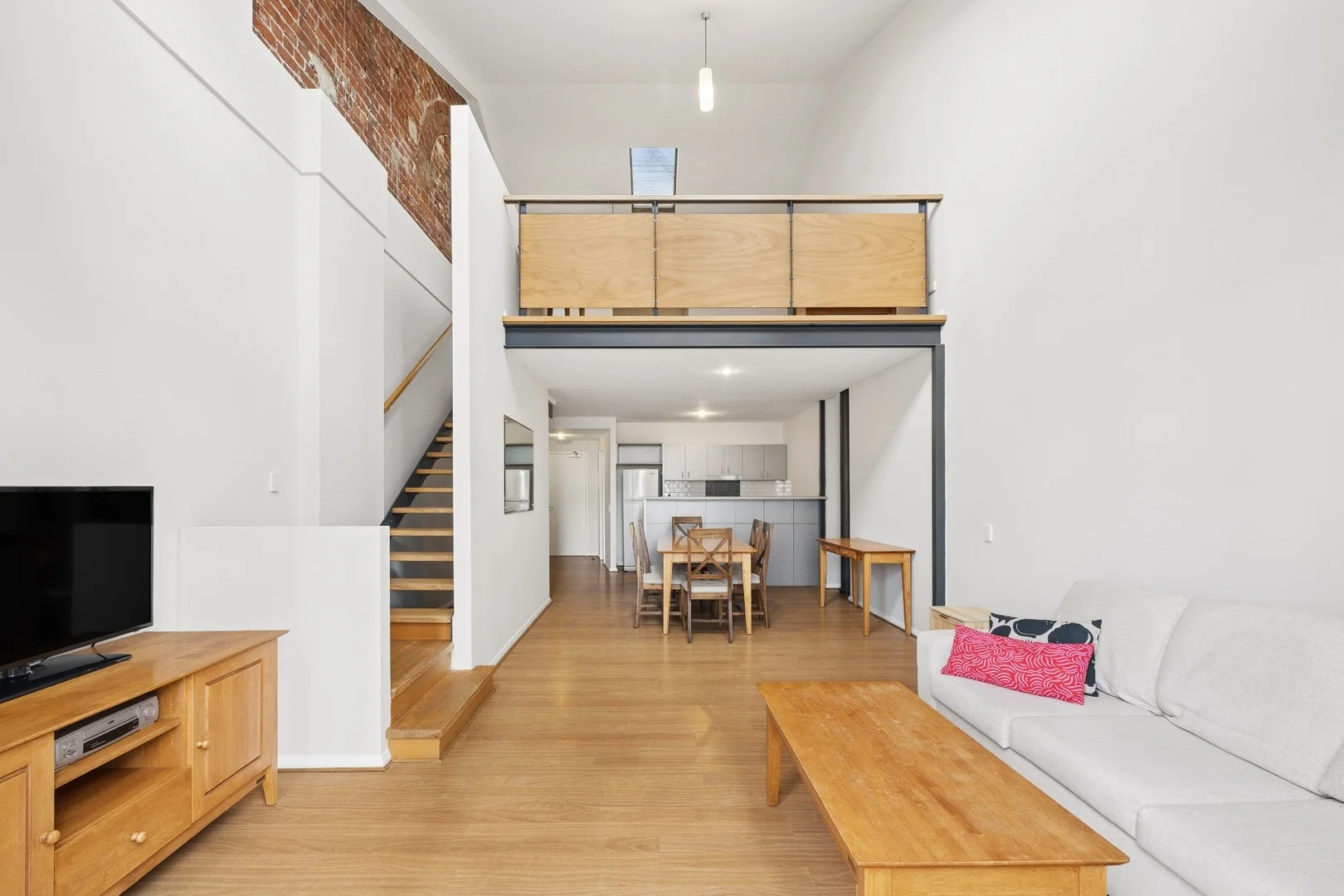 $549,000
Apartment / Unit / Flat
$549,000
Apartment / Unit / Flat
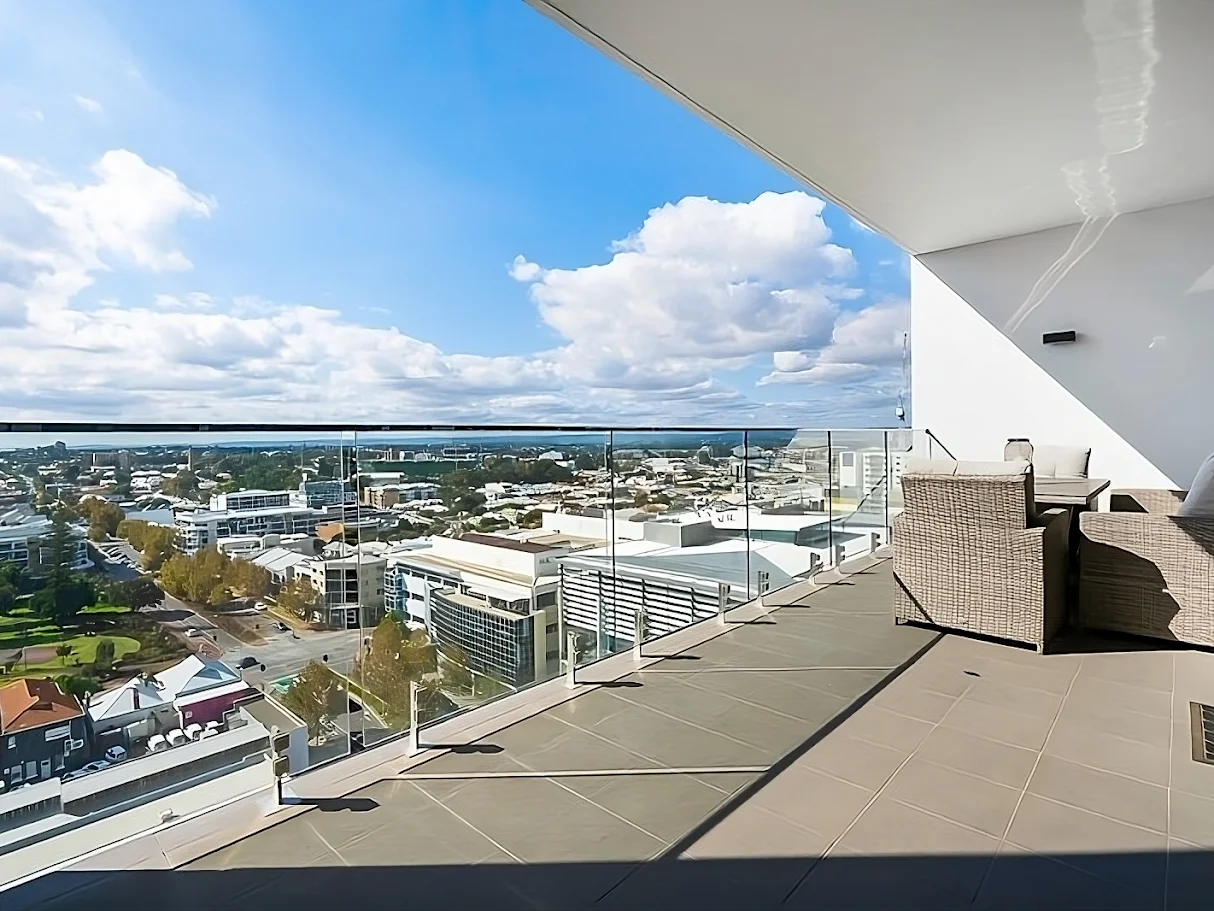 $580,000
Apartment / Unit / Flat
$580,000
Apartment / Unit / Flat
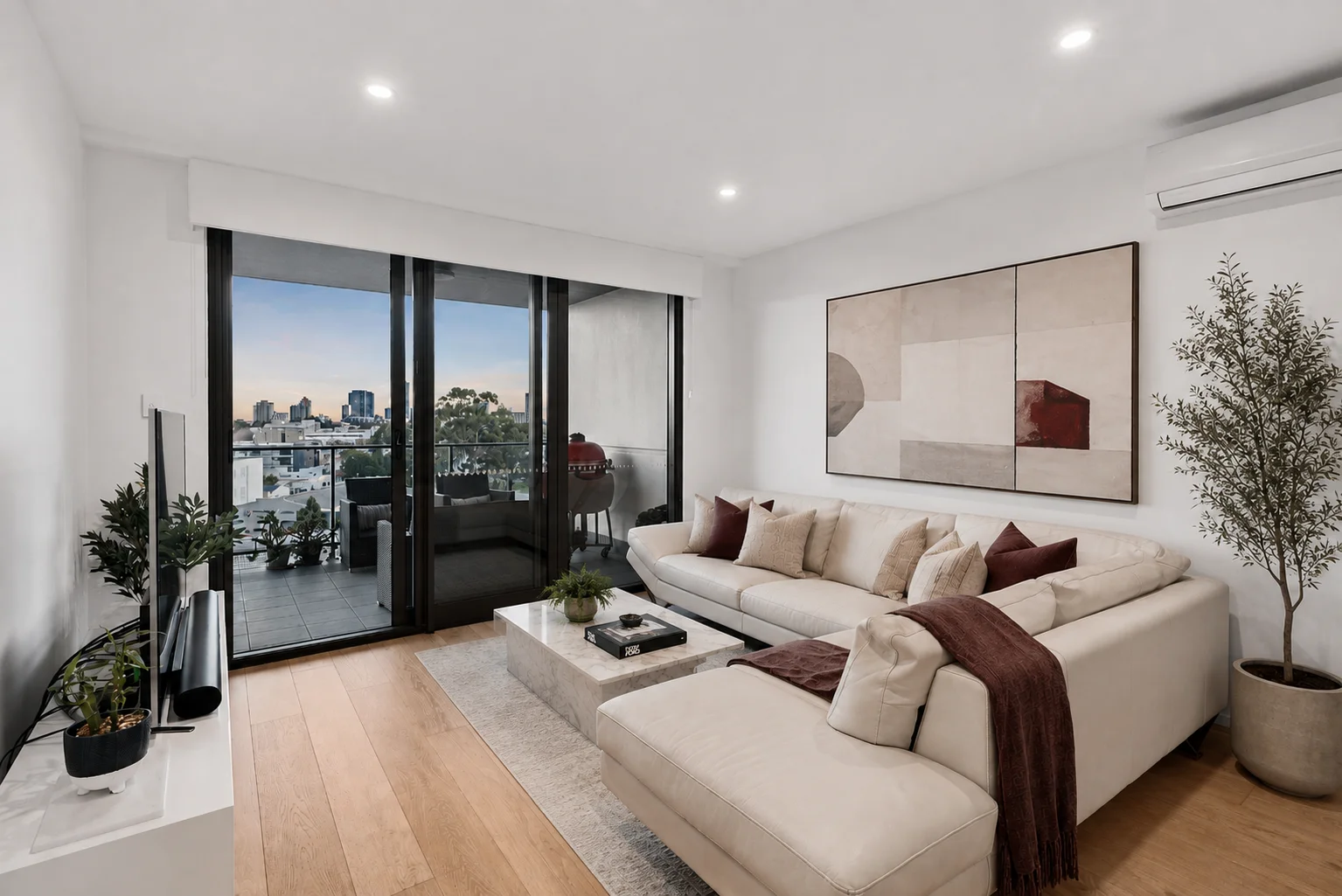 $700,000
Apartment / Unit / Flat
$700,000
Apartment / Unit / Flat