Overview
## 1. Overview
Brisbane South State Secondary College is a public state secondary school serving students in Years 7–12 in Brisbane’s southern region. It offers a mid-sized, community-focused learning environment with a emphasis on developing capable, confident learners through strong pastoral care and a broad curriculum.
School size is medium, with class sizes typically in the mid-20s. The atmosphere is inclusive and nurturing, combining academic expectations with supportive wellbeing programs to help students feel valued and engaged in their learning.
⸻
## 2. Academics & Learning
- Academic strengths: Strong core curriculum with emphasis on literacy, numeracy, and STEM, along with opportunities to develop leadership skills and participate in language learning programs.
- Special programs: Gifted and Talented (G&T) or enrichment options, plus accelerated or differentiated pathways to suit capable students.
- NAPLAN / trends: Historical patterns show steady improvement and solid performance in core literacy and numeracy areas over recent years.
- Student-teacher ratios: Approximately 1:18, allowing for ongoing teacher support and small-group learning.
- Support for diverse learners: Dedicated EAL and SEN support, inclusive education teams, and targeted interventions to assist students with varied learning needs.
⸻
## 3. Sports & Extracurricular Strengths
- Sports offered: Soccer, rugby league, netball, basketball, cricket, athletics, swimming, tennis and other team or individual sports as part of the inter-school program.
- Strong teams or achievements: Competitive inter-school teams with regional/inter-school representation and success across multiple sports.
- Music, arts, drama programs: Active music ensembles, performing arts opportunities, and drama productions that run alongside academic programs.
- Clubs: Robotics, coding, chess, debating, and other interest-based clubs to extend learning beyond the classroom.
- Partnerships: Engagement with local clubs and competitions for additional development and exposure to external events.
⸻
## 4. Wellbeing & Pastoral Care
- Anti-bullying approach: Clear anti-bullying policies with restorative practices and ongoing wellbeing education.
- House system: House-based pastoral care structure to foster community, belonging, and healthy competition.
- Counsellors / wellbeing officers: Dedicated school counsellors and wellbeing staff available to support students’ mental health and personal development.
- Transition support for new students: Orientation programs, buddy systems, and targeted transition support to ease entry for new students.
⸻
## 5. Facilities
- Sports grounds: On-site playing fields and courts for outdoor activities.
- Libraries: Dedicated library space for study, research, and reading programs.
- Science labs: Well-equipped laboratories for biology, chemistry, and physics.
- Music/performing arts centers: Rooms and spaces for music practice and performance.
- Tech/innovation labs: Modern spaces for digital learning, coding, and technology projects.
- Cafeteria: On-site canteen providing a range of healthy meal options.
- Updated playgrounds: Safe, age-appropriate outdoor spaces as part of the school’s facilities.
⸻
## 6. School Values & Community Culture
- School values / mission: Focus on Respect, Responsibility, Excellence, and Inclusion; a mission to develop well-rounded, resilient learners.
- Leadership style: Student voice and leadership opportunities supported by collaborative staff; emphasis on leadership development across year levels.
- Behaviour expectations: Clear codes of conduct and consistent expectations to foster safe and respectful classrooms and campuses.
- Community reputation: Positive relationships with families and local community, with a reputation for supportive pastoral care and a balanced program.
- Diversity & inclusion: Strong commitment to inclusion, celebrating diverse backgrounds and ensuring accessible learning for all students.
⸻
## 7. School Logistics & Daily Operations
- School hours: Typical daytime schedule with start and end times around the standard school day (roughly 8:40–3:00, subject to term specifics).
- Before/after school care: Availability may be via external providers or partnering arrangements; check current offerings with the school.
- Uniform requirements: Standard school uniform required on most days, with a separate sports uniform for physical education and games days.
- Transport (train/bus routes): Accessible by public transport with nearby bus stops and train routes serving the area; active travel options encouraged.
- Canteen availability: On-site canteen offering a range of meals and snacks.
- Fees (low/medium/high ranges): As a public school, there is no tuition; minor costs relate to uniforms, materials, excursions, and voluntary contributions.
⸻
## 8. Enrolment & Admissions
11. What is the enrolment process and timeline?
- Check eligibility (catchment rules) and prepare required documents (proof of residency, identity, immunisation as applicable).
- Submit enrolment application through the appropriate Queensland government channel; complete any local school forms.
- Offer and placement timing varies; families are typically notified of enrolment decisions within the established timeline and advised on next steps (orientation, term start, etc.).
12. Is there a waiting list, and how does it work?
- Demand may exceed places in some years; in this case a waitlist or priority considerations based on catchment and program availability may apply. Availability can depend on housing catchments and student numbers.
13. Are there any entry requirements, tests, or interviews?
- For standard enrolment, no general entrance test is required. Some programs (e.g., Gifted and Talented, language or special pathways) may have additional assessments or criteria; information is provided by the school if applicable.
14. Does the school accept mid-year transfers?
- Mid-year transfers are possible depending on place availability and meeting enrolment criteria. Parents should contact the school promptly to discuss options and required documentation.
⸻
## 9. Frequently Asked Questions
- Why Parents Choose This School?
- A strong sense of community, supportive staff, and a balanced approach to academics, sports, and the arts; focus on student wellbeing and real-world skills.
- What type of student thrives at this school?
- Students who are motivated by a broad, inclusive program, value teamwork, and are prepared to work across academics, sport, and the arts.
- What opportunities are available for students to extend their skills (academics, sports, arts)?
- Extension programs in core subjects, leadership opportunities, science/tech clubs, sports teams, performing arts and debating, and inter-school competitions.
- How does the school communicate with parents?
- Through newsletters, email, a school app or portal, parent-teacher interviews, and regular updates on learning progress and events.
- What is the school’s approach to teaching and learning?
- Differentiated instruction, inquiry-based learning, strong literacy and numeracy focus, and integration of digital tools to support learning.
- How does the school support students who need extra academic help?
- Targeted learning support, tutoring, small-group intervention, EAL and SEN services, and access to wellbeing resources.
- What support is available for academic challenges?
- Access to learning support teachers, counsellors, tailored intervention programs, and collaboration with families to monitor progress.
- How does the school communicate with parents?
- See above; ongoing two-way communication is encouraged via multiple channels.
- What are the class sizes and how much individual attention do students receive?
- Class sizes typically in the low- to mid-20s, with additional small-group support available through teaching staff and support services.
- What extracurricular and sports opportunities are available?
- A wide range of sports, music and drama programs, robotics, coding, chess, debating clubs, and participation in inter-school events.
- What facilities does the school offer (sports, science, arts)?
- Sports grounds and courts, libraries, science labs, performing arts spaces, music studios, and dedicated tech/innovation labs.
- What is the school’s approach to technology and digital learning?
- Emphasis on digital literacy, use of online learning platforms, and integration of technology to enhance teaching and learning.
- What transport and accessibility options are available?
- Access via bus and train networks; campus accessibility considerations in place for students with mobility needs.
- What are the typical school fees or additional costs?
- No tuition for standard enrollment; typical costs relate to uniforms, stationery, excursions, and approved voluntary contributions.
⸻
## 10. Short Pros & Cons
- Pros
- Public, inclusive environment with strong wellbeing and supportive pastoral care.
- Balanced focus on academics, sports, arts, and clubs.
- Moderate class sizes enabling more guidance and feedback.
- Wide range of extracurricular opportunities and dedicated facilities.
- Cons
- As a medium-to-large public school, some students may experience less one-on-one attention than smaller schools.
- Demand for popular programs can lead to competition for places; mid-year changes depend on availability.
- Uniforms and occasional event costs may be a consideration for families.
- Travel times and transport options depend on residence and may require planning for some families.







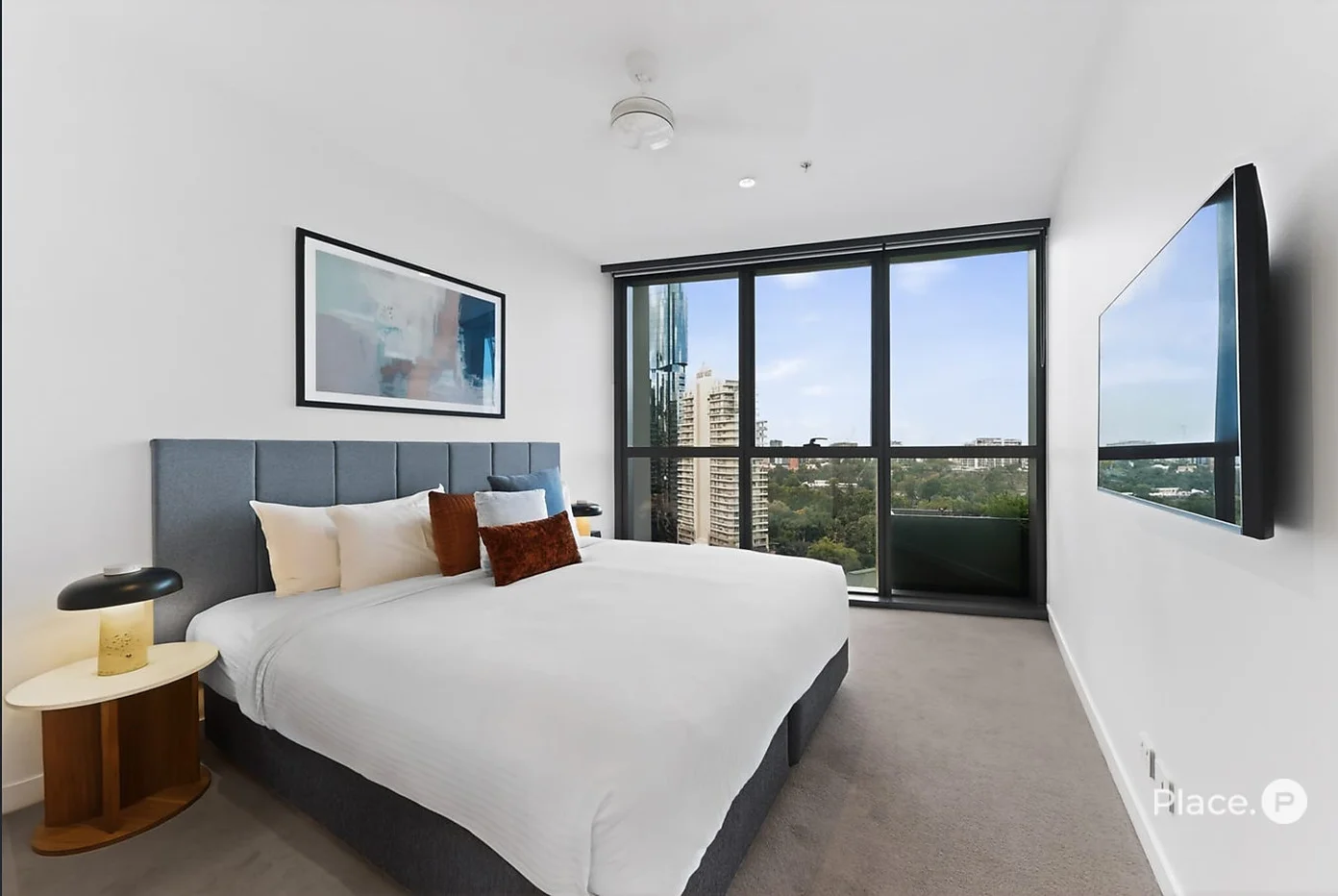 $770,000
Apartment / Unit / Flat
$770,000
Apartment / Unit / Flat
 $1,475,000 - $2,090,000
propertyType.NEW APARTMENTS / OFF THE PLAN
$1,475,000 - $2,090,000
propertyType.NEW APARTMENTS / OFF THE PLAN
 $550,000
Apartment / Unit / Flat
$550,000
Apartment / Unit / Flat
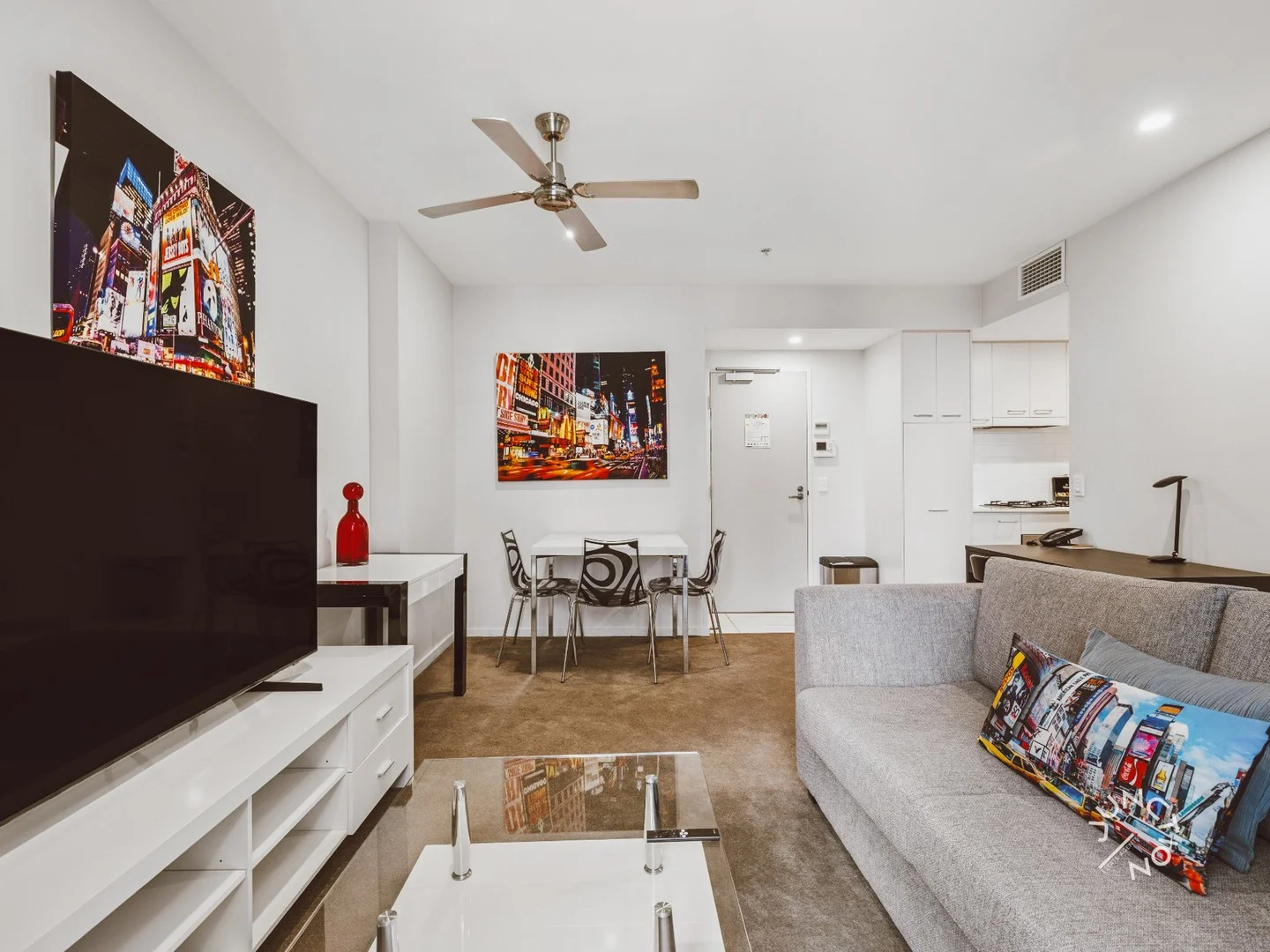 $523,200 - $566,800
Apartment / Unit / Flat
$523,200 - $566,800
Apartment / Unit / Flat
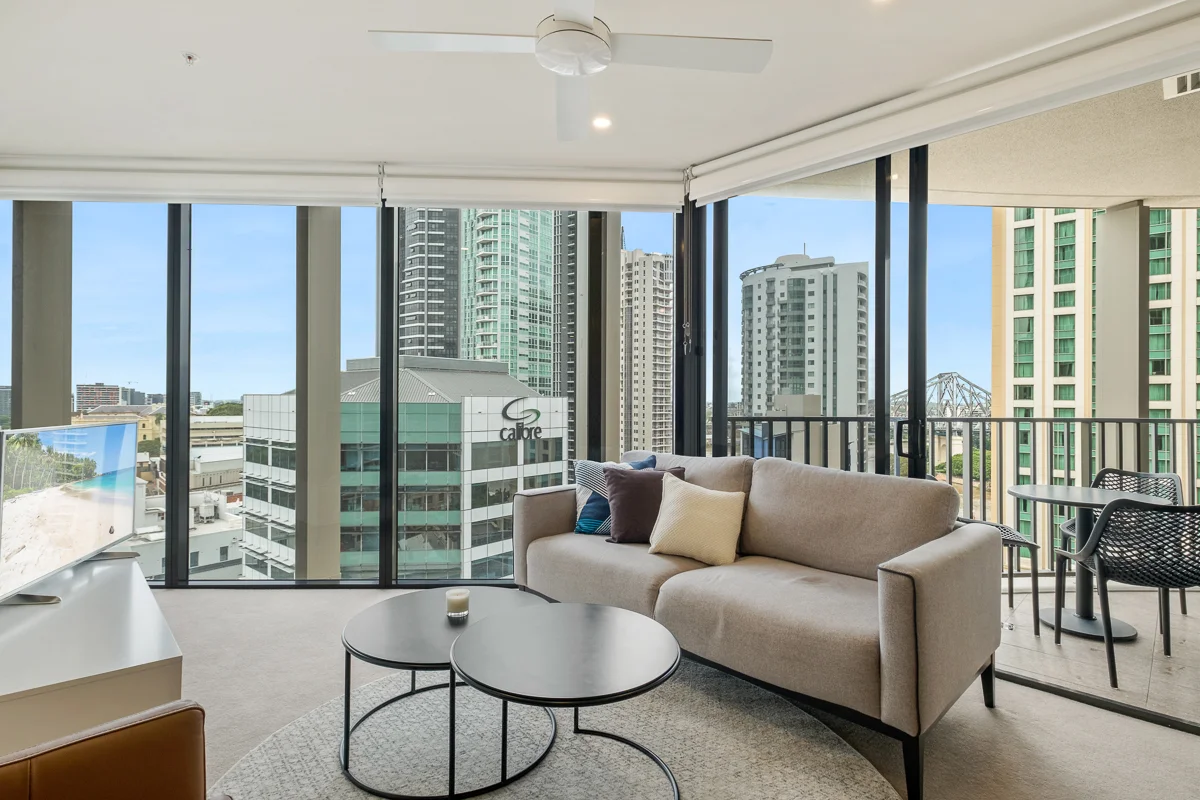 $950,000
Apartment / Unit / Flat
$950,000
Apartment / Unit / Flat