Overview
# Overview
Australian Islamic College – Dianella (WA) is an independent private school offering a comprehensive Australian curriculum alongside Islamic studies and Arabic language programs. The college aims to provide a faith-informed, inclusive learning community where students develop academically, morally and socially.
With a medium-sized student body, class sizes typically sit around 20–24 students. The atmosphere is nurturing and supportive, emphasising strong pastoral care, respect, and a sense of belonging within a faith-based, values-driven environment.
⸻
# Academics & Learning
- Academic strengths: English and literacy, mathematics, science, alongside Arabic language and Islamic studies. The school blends core academic rigour with a strong emphasis on character development and religious literacy.
- Special programs: Gifted and Talented pathways and accelerated learning options are available, plus language immersion in Arabic and Islamic education integrated into the broader curriculum.
- NAPLAN / trends: Over recent years, the school has shown positive trends in literacy and numeracy, with a focus on targeted support to lift performance across year levels.
- Student-teacher ratios: Approximately 1:14–1:18, supporting more individualized feedback and student engagement.
- Support for diverse learners: EAL support, learning support services, and individual learning plans to assist students needing extra help or accommodation.
⸻
# Sports & Extracurricular Strengths
- Sports offered: Basketball, football (soccer), netball, cricket, athletics, swimming, and other inter-school activities.
- Strong teams or achievements: Competitive participation in district and interschool sport events with emphasis on teamwork, sportsmanship, and improvement.
- Music, arts, drama programs: Visible music ensembles, choir, and drama productions that integrate performing arts into the broader school experience.
- Clubs: Robotics, chess, coding, debating, and other interest-based clubs to grow skills outside the classroom.
- Partnerships: Connections with local community clubs and regional competitions to broaden opportunities for students in sport, coding, and robotics.
⸻
# Wellbeing & Pastoral Care
- Anti-bullying approach: Clear anti-bullying policies, proactive wellbeing programs, and a culture of respect and inclusion.
- House system: A house structure that encourages healthy competition, belonging, and cross-year social interaction.
- Counsellors / wellbeing officers: Dedicated school counsellors and wellbeing staff to support student mental health and resilience.
- Transition support for new students: Orientation programs, buddy systems, and targeted support to help new students settle in smoothly.
⸻
# Facilities
- Sports grounds: On-site sports fields and courts suitable for a range of activities.
- Libraries: Well-stocked library facilities supporting literacy and research.
- Science labs: Equipped science laboratories for practical experiments across key curricula.
- Music/performing arts centers: Dedicated spaces for music, drama and performances.
- Tech/innovation labs: Modern spaces for technology, coding, and robotics projects.
- Cafeteria: On-site dining facilities with options for students.
- Updated playgrounds: Modern playground areas and outdoor spaces for recreation.
⸻
# School Values & Community Culture
- School values / mission: A mission built on respect, integrity, service, excellence, and faith-based learning; priority on character development alongside academics.
- Leadership style: Collaborative and distributed leadership with student voice elements and family engagement.
- Behaviour expectations: Clear codes of conduct promoting respectful interactions, responsibility, and self-discipline.
- Community reputation: Recognised in the local community for a welcoming, faith-informed environment that supports diverse families.
- Diversity & inclusion: Commitment to inclusive practices and creating a welcoming space for students from varied backgrounds.
⸻
# School Logistics & Daily Operations
- School hours: Generally a full-day program with start and finish times aligned to the primary school timetable; variations may occur by year level.
- Before/after school care: Availability of before- and after-school care or supervised activities.
- Uniform requirements: Uniforms required; guidelines for Islamic attire and grooming observed.
- Transport: Bus routes and access to public transport; options for families within the local area.
- Canteen availability: Canteen or lunch program with daily meal options.
- Fees (low/medium/high ranges): Fees typically fall within the medium range for private Western Australian independent schools; exact figures available on admissions materials.
⸻
# Enrolment & Admissions
11. What is the enrolment process and timeline?
- Apply via the school’s admissions process, submit required documents (birth certificate, proof of address, immunisation records where applicable), and complete any assessments or interviews. After the interview and assessment steps, a decision is usually communicated within several weeks, with a formal offer followed by confirmation and placement steps.
12. Is there a waiting list, and how does it work?
- Yes, there is often a waiting list. Offers are made as vacancies arise, with priority typically given to siblings and to families connected to the school community, followed by the order of application.
13. Are there any entry requirements, tests, or interviews?
- Entry typically involves an interview and may include short literacy/numeracy tasks. There may also be discussions related to suitability and alignment with the school’s values and Islamic education components.
14. Does the school accept mid-year transfers?
- Mid-year transfers are possible subject to vacancy and administrative clearance. Families should contact the admissions team to discuss timelines and requirements.
⸻
# Frequently Asked Questions
- Why Parents Choose This School?
- A faith-informed, values-driven environment coupled with solid academics, strong community, and supportive pastoral care.
- What type of student thrives at this school?
- Students who value community, character development, academic effort, and engagement in both Islamic studies and the Australian curriculum.
- What opportunities are available for students to extend their skills (academics, sports, arts)?
- A range of clubs and programs: STEM, robotics, coding, debating, music, drama, sport, and leadership opportunities.
- How does the school communicate with parents?
- Through newsletters, a digital parent portal/app, email updates, and regular parent-teacher meetings.
- What is the school’s approach to teaching and learning?
- Student-centered learning that emphasizes literacy and numeracy, rigorous curriculum delivery, and integration of Islamic studies with general education.
- How does the school support students who need extra academic help?
- Targeted learning support, tutoring options, EAL services, and individual learning plans as needed.
- What support is available for academic challenges?
- Access to learning support teams, early intervention programs, and close collaboration with families.
- How does the school communicate with parents?
- See above: regular updates via newsletter and portal, plus parent-teacher conferences.
- What are the class sizes and how much individual attention do students receive?
- Class sizes typically around 20–24 students, with teachers able to provide targeted feedback and support in class and through small-group sessions.
- What extracurricular and sports opportunities are available?
- Numerous clubs and sports options including robotics, coding, chess, debating, basketball, soccer, netball, cricket, athletics, and swimming.
- What facilities does the school offer (sports, science, arts)?
- Sports grounds, libraries, science labs, music/performing arts facilities, tech/innovation labs, canteen, and updated play areas.
- What is the school’s approach to technology and digital learning?
- Integrated digital literacy across the curriculum with age-appropriate use of devices and online learning platforms.
- What transport and accessibility options are available?
- Bus routes and access to local public transport; campus design supports accessibility needs.
- What are typical school fees or additional costs?
- Fees are in the medium range for private WA schools; exact costs vary by year level and program and are best confirmed with the admissions team.
⸻
# Short Pros & Cons list
- Pros
- Faith-informed, values-based education with supportive pastoral care.
- Strong emphasis on literacy, numeracy and core academic outcomes.
- Wide range of extracurriculars, clubs, and sports.
- Positive student-teacher ratios enabling individual attention.
- Inclusive and diverse community with a clear code of conduct.
- Cons
- As a private independent school, tuition is higher than public options.
- Non-local families may need to consider travel or transport logistics.
- Some programs (e.g., specialized pathways) may have limited availability by year level or cohort size.
- Demand for places can lead to waiting lists during peak intake periods.






 $700,000
Apartment / Unit / Flat
$700,000
Apartment / Unit / Flat
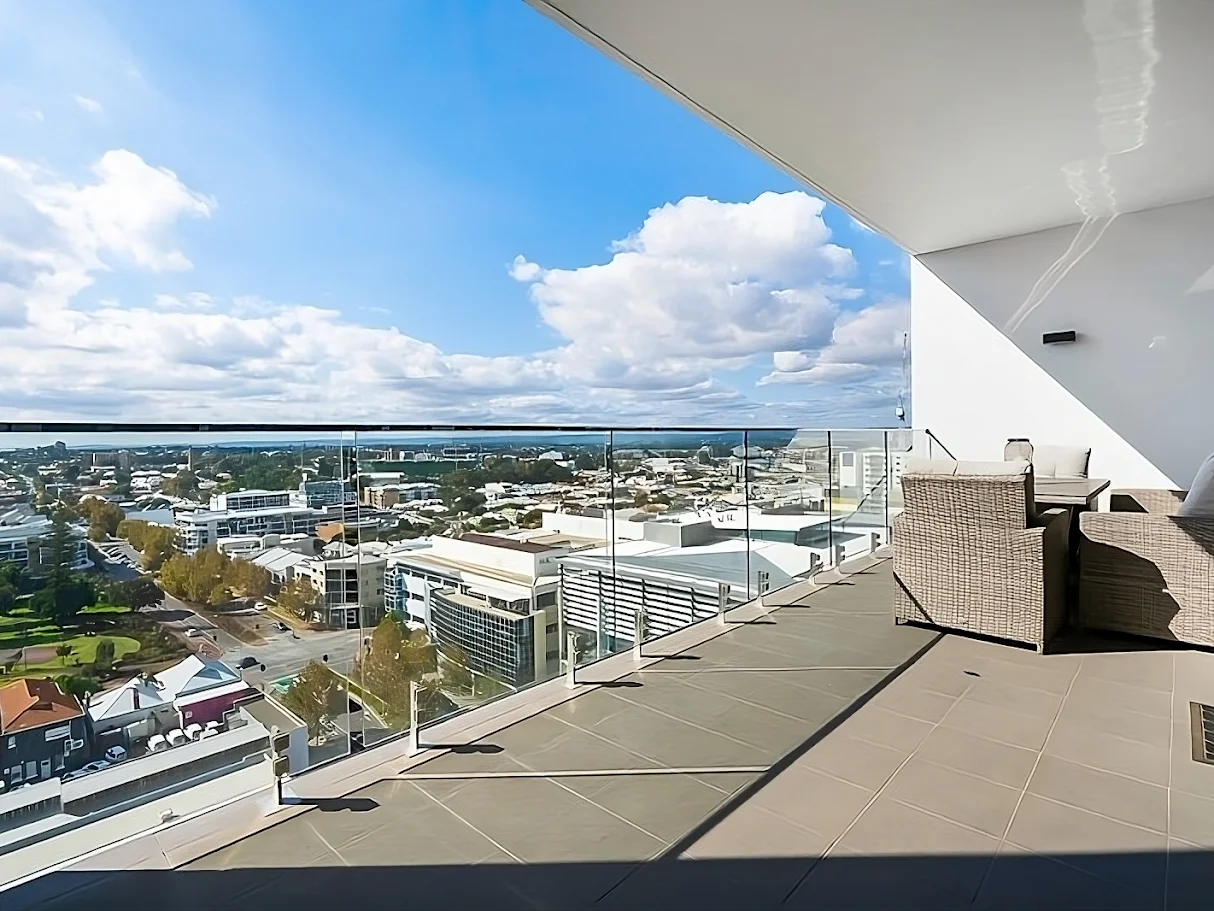 $580,000
Apartment / Unit / Flat
$580,000
Apartment / Unit / Flat
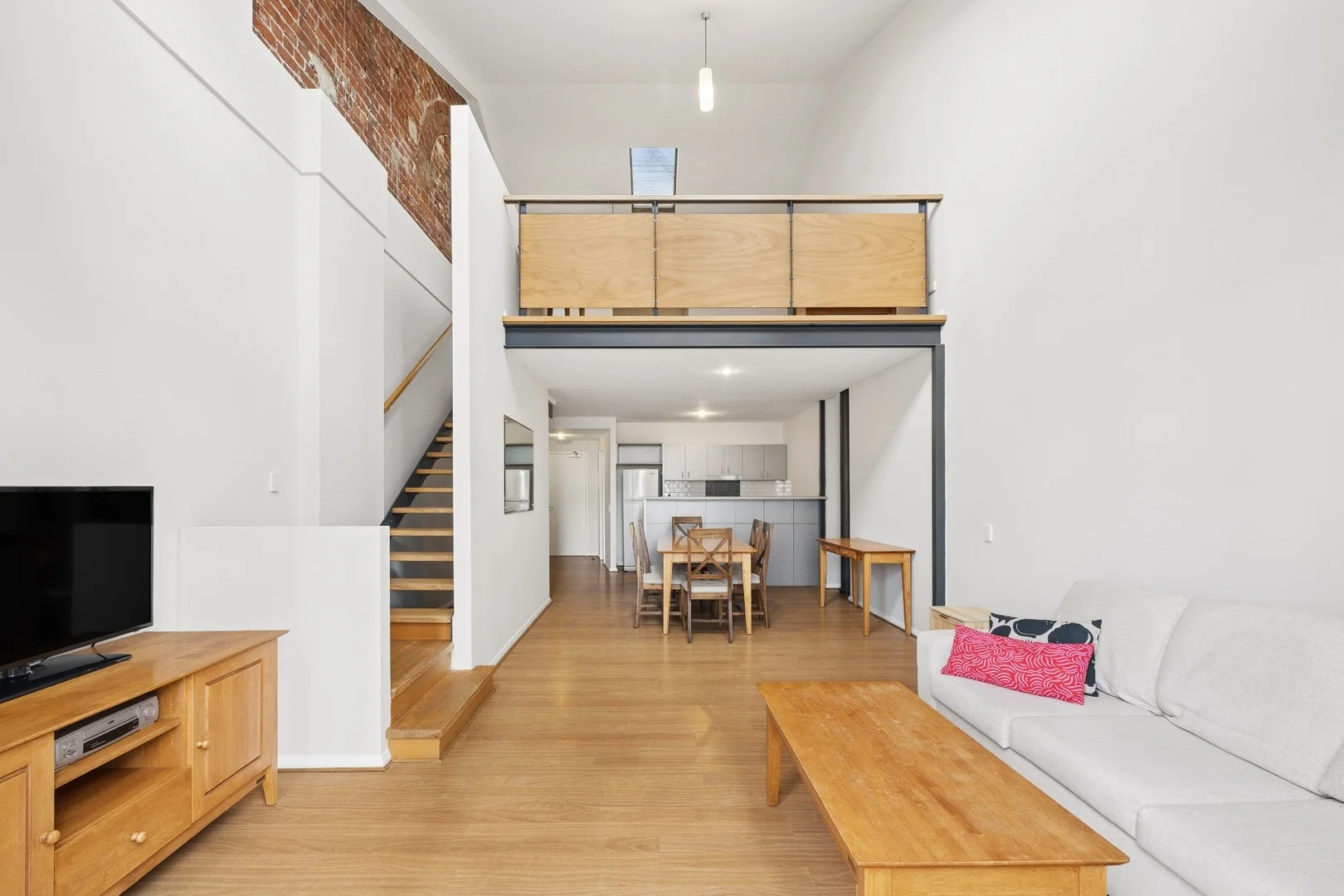 $549,000
Apartment / Unit / Flat
$549,000
Apartment / Unit / Flat
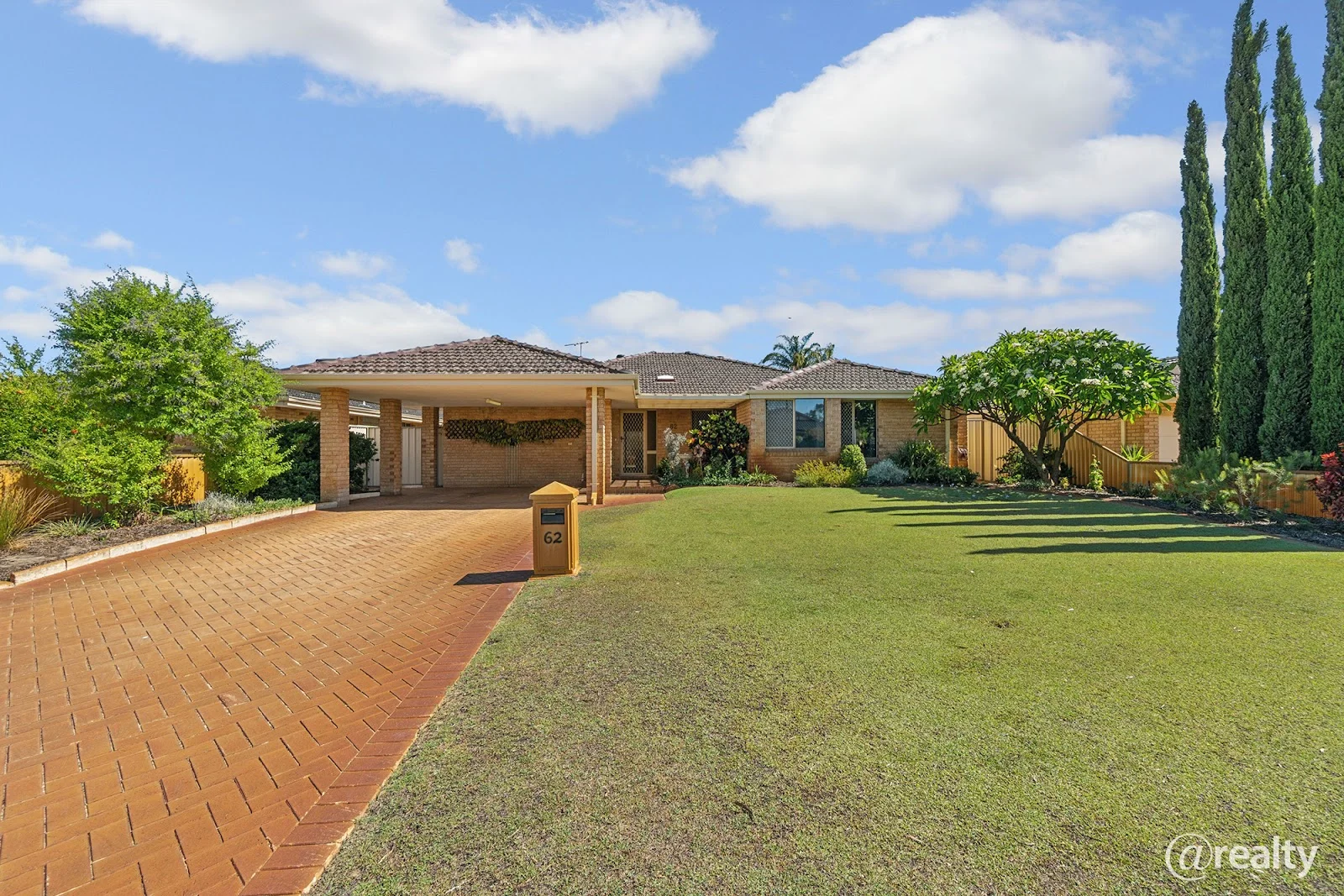 $1,099,000 - $1,153,950
House
$1,099,000 - $1,153,950
House
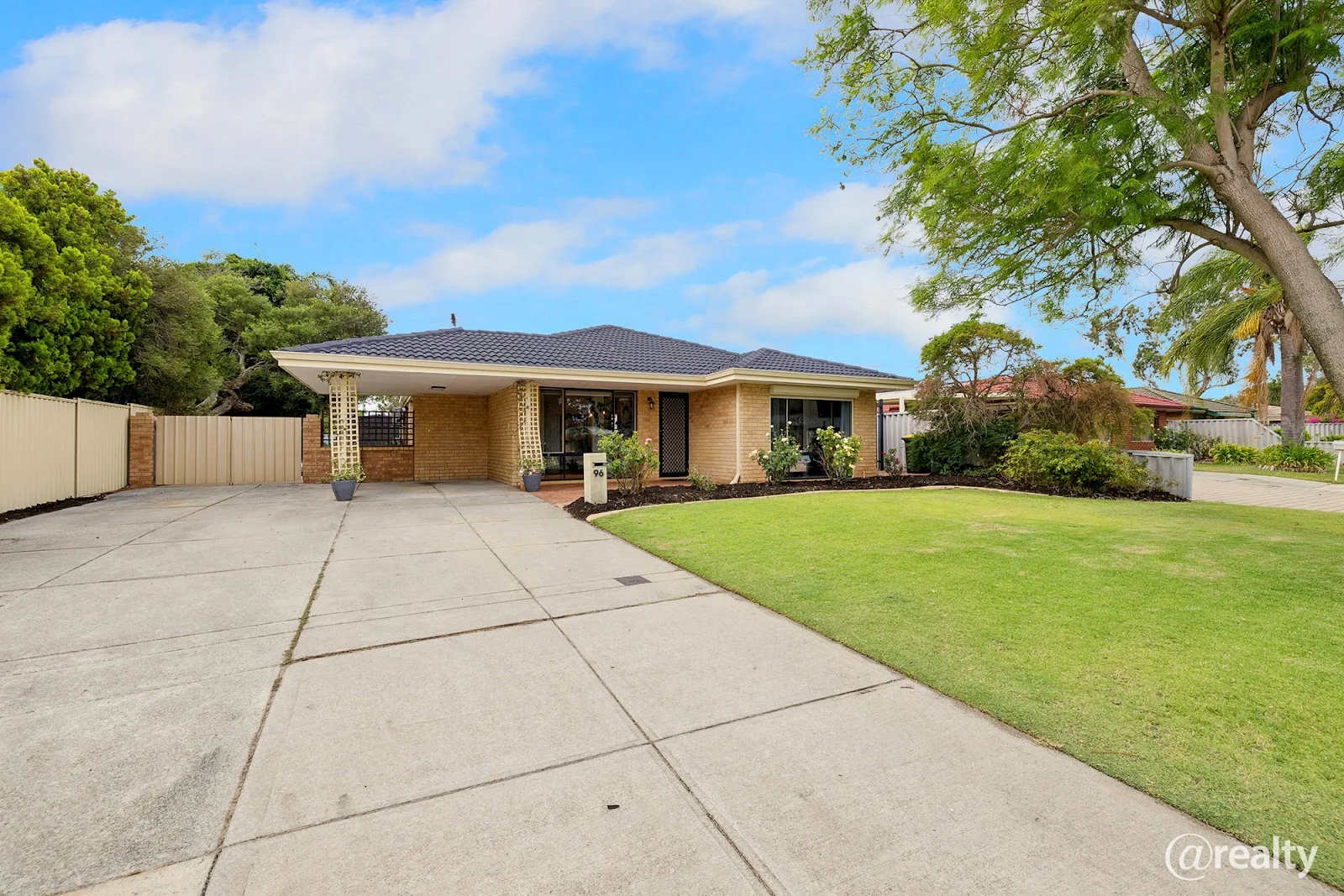 $899,000 - $943,950
House
$899,000 - $943,950
House
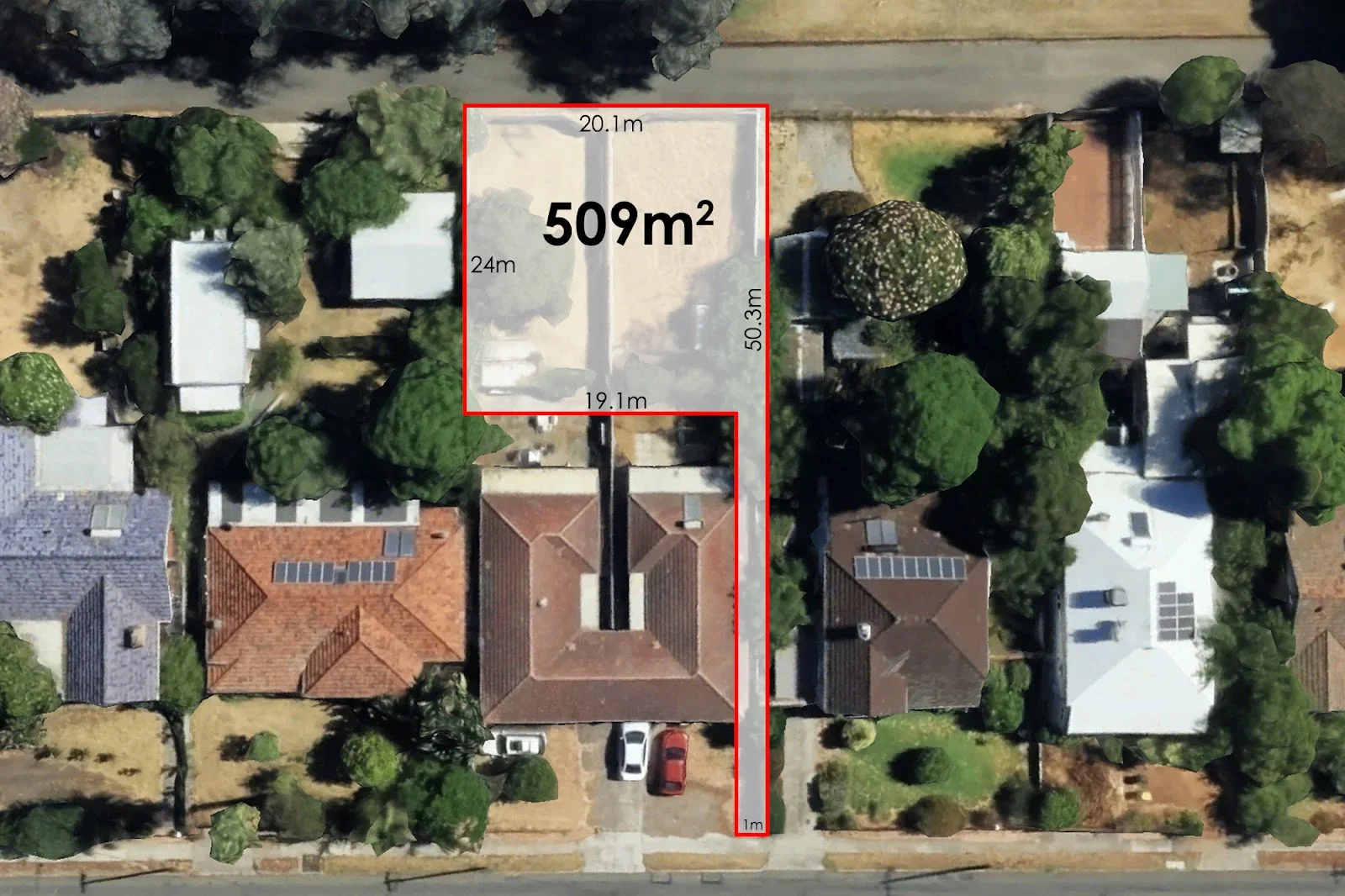 $480,000
Vacant Land
$480,000
Vacant Land