Overview
## Overview
Ambrose Treacy College is a private Catholic independent school for boys in Indooroopilly, Brisbane. The college emphasises values-based education, community, and holistic development, with a welcoming, family-like atmosphere. It is a medium-sized school that fosters close teacher–student relationships, usually reflecting smaller class sizes that support personalized learning and pastoral care.
The culture blends academics with sport and co-curricular opportunities, encouraging resilience, teamwork, and leadership. A value-driven environment supports diverse interests, with emphasis on inclusivity and community involvement.
---
## Academics & Learning
- Academic strengths: Strong focus on English and STEM, with leadership development woven through the curriculum and co-curricular programs. Languages are offered to build global communication skills and cultural awareness.
- Special programs: Gifted and Talented pathways and accelerated learning options are available to students seeking extended challenges.
- NAPLAN / trends: Consistent upward or stable performance trends across year levels, with a focus on steady improvement and maintaining pace with or exceeding state averages.
- Student-teacher ratios: Small to medium class sizes, enabling more individualized attention; typical ratios around 1:12–1:18 depending on year level and subject.
- Support for diverse learners: Dedicated learning support staff, EAL options, and inclusive education practices to assist students with diverse needs.
---
## Sports & Extracurricular Strengths
- Sports offered: A broad program including rugby, cricket, football, basketball, swimming, athletics, and cross-country, with season-specific teams and pathways.
- Strong teams or achievements: Culture of strong inter-school competition and teamwork, with emphasis on skill development, discipline, and school spirit.
- Music, arts, drama programs: Active music ensembles, drama productions, and performing arts opportunities to complement academic life.
- Clubs: Robotics, chess, coding, debating, and other interest-based clubs to develop critical thinking and collaboration.
- Partnerships: Participation in inter-school competitions and collaborations with local clubs and associations to broaden opportunities beyond the classroom.
---
## Wellbeing & Pastoral Care
- Anti-bullying approach: Proactive, school-wide programs and clear policies aimed at prevention and safe reporting, with restorative practices.
- House system: A house structure that fosters camaraderie and healthy competition through pastoral and sporting events.
- Counsellors / wellbeing officers: On-site counselling and wellbeing staff to support emotional, social, and mental health needs.
- Transition support for new students: Comprehensive orientation, peer mentoring, and gradual integration programs to help new students settle in.
---
## Facilities
- Sports grounds: Extensive sports fields and facilities to support outdoor activities and teams.
- Libraries: Well-resourced libraries supporting reading, research, and digital learning.
- Science labs: Modern science laboratories for practical experiments and project work.
- Music/performing arts centers: Dedicated spaces for music ensembles, drama, and performance.
- Tech/innovation labs: Modern ICT and makerspace-style areas for innovation, coding, and project work.
- Cafeteria: On-site canteen or dining facilities for students.
- Updated playgrounds: Safe, well-maintained play and recreation spaces as part of daily life.
---
## School Values & Community Culture
- School values / mission: Catholic values centered on respect, responsibility, service, and integrity; emphasis on character alongside academic achievement.
- Leadership style: Distributed leadership with opportunities for student leadership, teacher collaboration, and community involvement.
- Behaviour expectations: Clear codes of conduct and consistent expectations across the school, with a focus on respectful interactions and restorative approaches.
- Community reputation: Positive reputation within the Brisbane Catholic education community and broader school networks for a welcoming, supportive environment.
- Diversity & inclusion: Commitment to creating an inclusive culture that welcomes students from diverse backgrounds and abilities.
---
## School Logistics & Daily Operations
- School hours: Typical school day from morning start to mid-afternoon finish, with structured breaks and tutorial time.
- Before/after school care: Available to support families with flexible drop-off and pick-up.
- Uniform requirements: Standard school uniform for daily wear and a separate sports uniform for physical activities.
- Transport (train/bus routes): Access via local public transport options; school-supported information on bus routes and schedules may be available.
- Canteen availability: On-site canteen or dining facilities offering meals and snacks.
- Fees (low/medium/high ranges): Fees fall into the mid-to-high range for independent Catholic schools, with additional costs for uniforms, excursions, and some co-curricular activities.
---
## Enrolment & Admissions
11. What is the enrolment process and timeline?
- Submit an application and supporting documents; school may conduct interviews and/or testing for year-level entry; a confirmation of offer will follow if a place is available. Timelines vary by year and demand, so it's best to contact Admissions early.
12. Is there a waiting list, and how does it work?
- Waiting lists can apply for popular year levels or programs. The process typically involves placement on the list, with consideration given to siblings, parish ties, and alignment with the school’s intake priorities.
13. Are there any entry requirements, tests, or interviews?
- Entry usually involves an interview and review of academic records; additional testing or auditions may be required (e.g., for music or particular programs). Immunization and consent forms may be part of the onboarding process.
14. Does the school accept mid-year transfers?
- Mid-year transfers may be possible subject to space and subject alignment, with the admissions team guiding the transfer timeline and requirements.
---
## Frequently Ask Questions
- Why Parents Choose This School?
- A values-based Catholic education that supports holistic development, strong pastoral care, and a balanced emphasis on academics, sport, and character.
- What type of student thrives at this school?
- Students who are engaged in both academics and co-curriculars, who value community, leadership opportunities, and a supportive environment.
- What opportunities are available for students to extend their skills (academics, sports, arts)?
- Extension opportunities in academics (accelerated pathways), leadership roles, sports development, music and drama programs, robotics, coding, debating, and other clubs.
- How does the school communicate with parents?
- Through newsletters, a school portal, regular parent-teacher meetings, and timely updates on academic progress, events, and wellbeing matters.
- What is the school’s approach to teaching and learning?
- Student-centered, differentiated instruction with a mix of direct teaching, inquiry-based learning, and real-world application, underpinned by Catholic values.
- How does the school support students who need extra academic help?
- Access to Learning Support staff, targeted interventions, tutoring or small-group assistance, and ongoing progress monitoring.
- What support is available for academic challenges?
- Individualized learning plans, early intervention strategies, and collaboration with families to put appropriate supports in place.
- How does the school communicate with parents?
- Reiterated: newsletters, portal updates, parent-teacher conferences, and direct communication from teachers and staff.
- What are the class sizes and how much individual attention do students receive?
- Class sizes are small to medium, enabling meaningful teacher-student interactions and personalized feedback.
- What extracurricular and sports opportunities are available?
- A broad range of sports (team and individual), plus clubs in robotics, coding, chess, debating, music, drama, and arts.
- What facilities does the school offer (sports, science, arts)?
- Comprehensive facilities across sports grounds, libraries, science labs, performing arts spaces, tech/innovation labs, and canteen.
- What is the school’s approach to technology and digital learning?
- Integrated ICT in the curriculum, with appropriate devices, digital learning platforms, and potentially BYOD policies to support modern learning.
- What transport and accessibility options are available?
- Information on local transport options, bus routes, and nearby public transport; school support for families coordinating travel.
- What are the typical school fees or additional costs?
- Fees are in the mid-to-high range for private Catholic schools, with extra costs for uniforms, camps/trips, and some co-curricular activities.
---
## Short Pros & Cons list
- Pros
- Values-based Catholic education with strong pastoral care
- Small to medium class sizes for personalized attention
- Wide range of co-curriculars in sport, arts, and clubs
- Supportive, inclusive community culture
- Modern facilities across science, arts, and technology
- Cons
- Higher tuition compared with public schools
- Primarily a single-sex (boys) environment
- Transport logistics can depend on location and available routes
- Some programs or activities may incur extra costs (uniforms, trips, etc.)





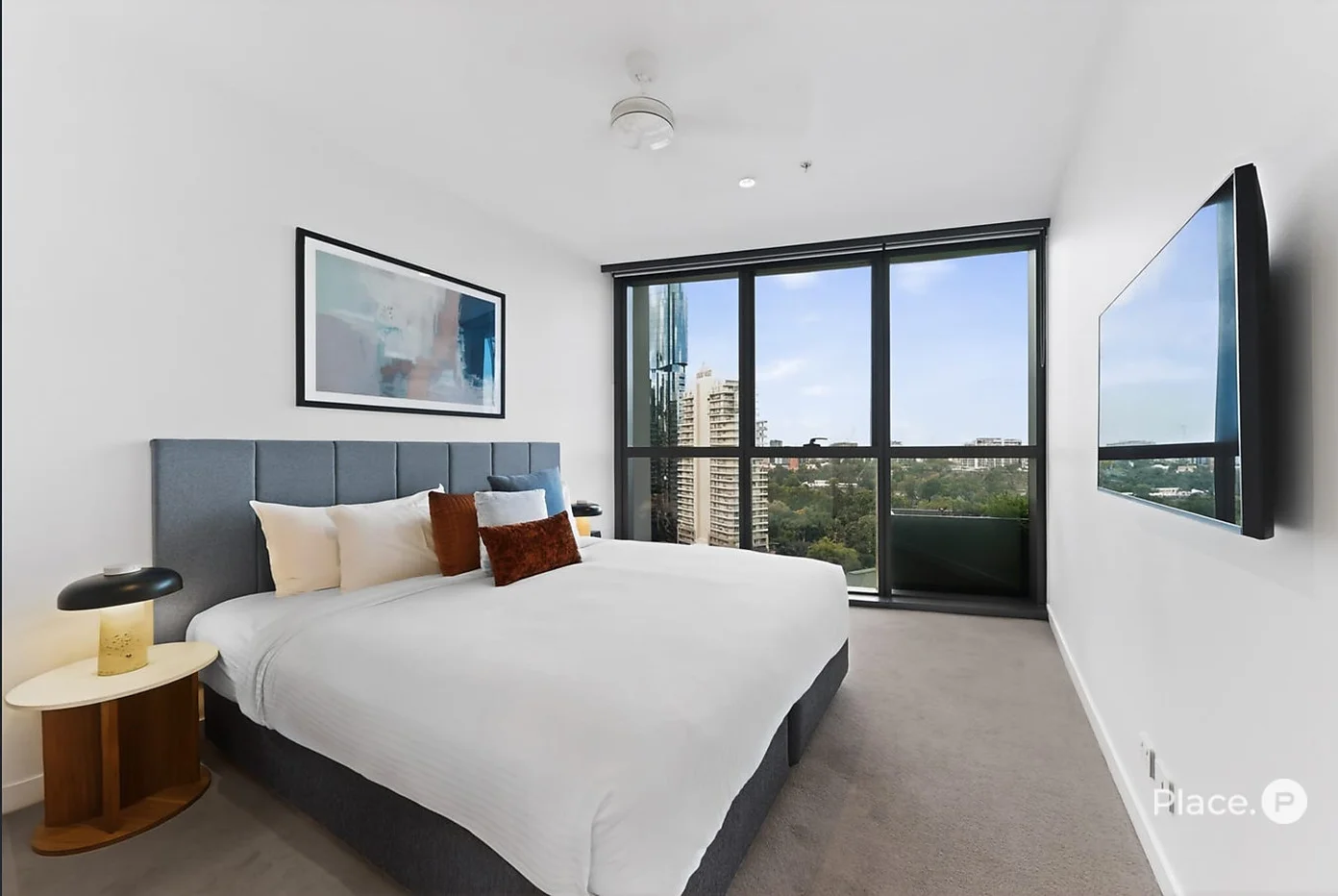 $770,000
Apartment / Unit / Flat
$770,000
Apartment / Unit / Flat
 $550,000
Apartment / Unit / Flat
$550,000
Apartment / Unit / Flat
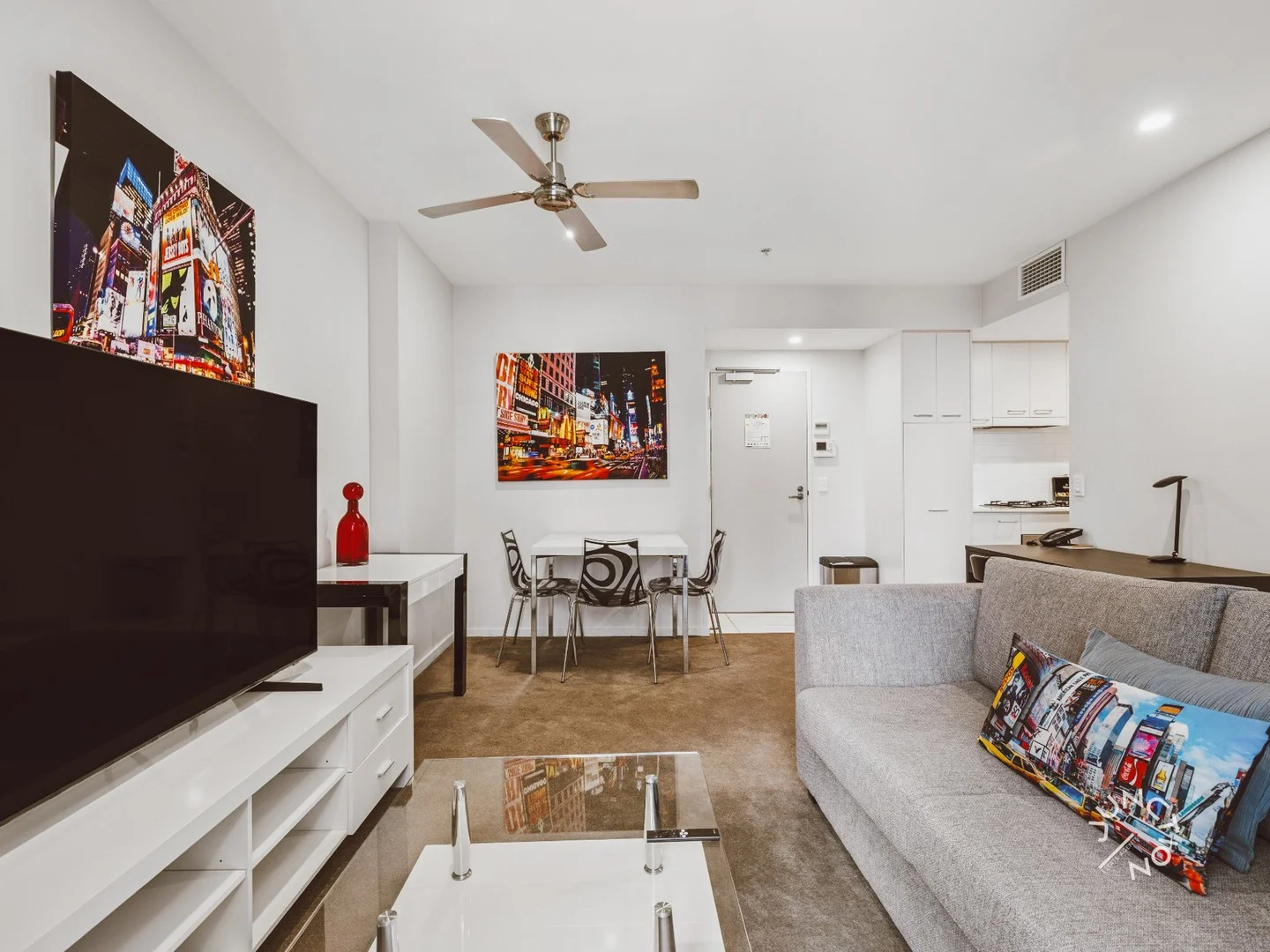 $523,200 - $566,800
Apartment / Unit / Flat
$523,200 - $566,800
Apartment / Unit / Flat
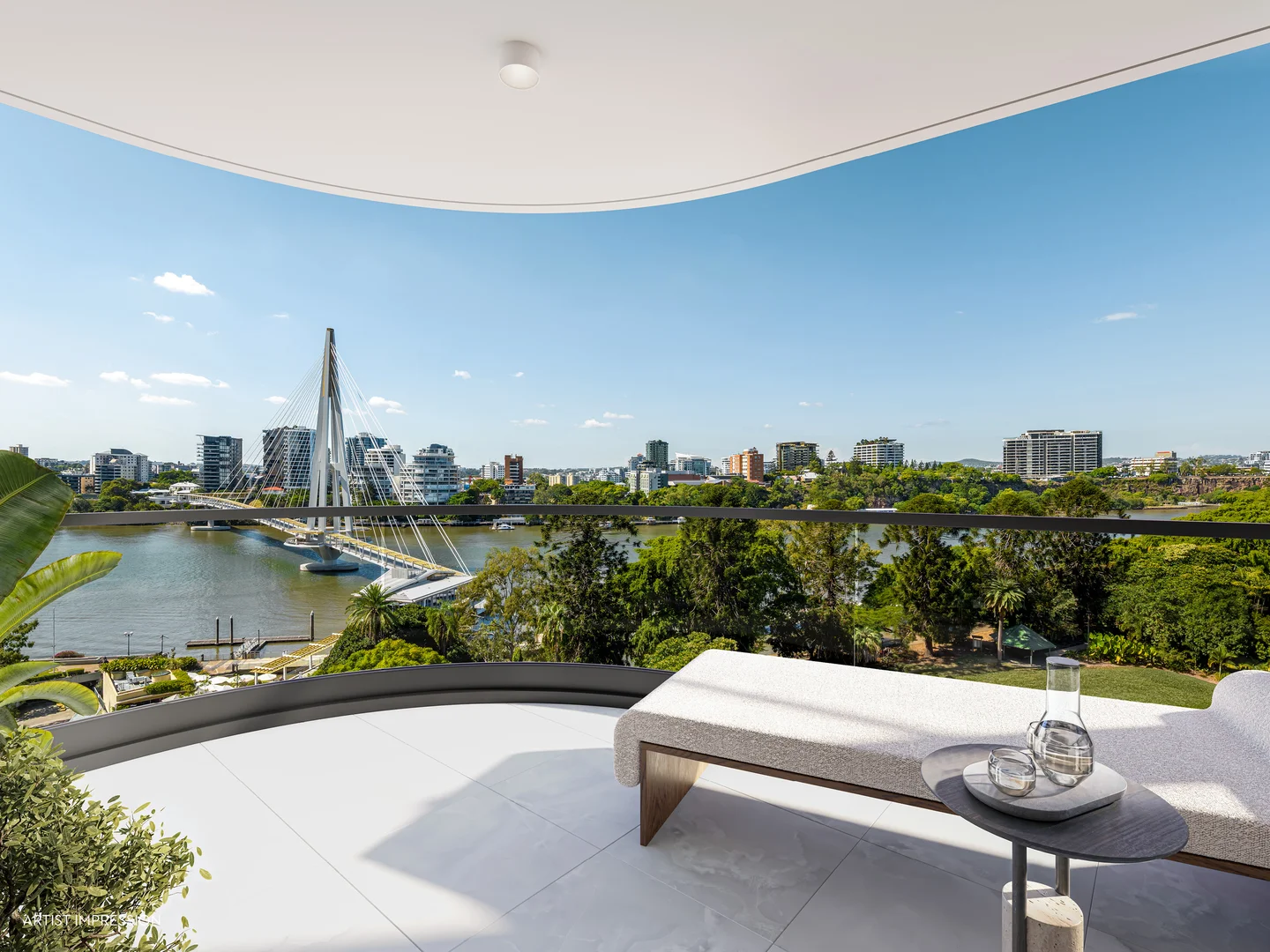 $1,475,000 - $2,090,000
propertyType.NEW APARTMENTS / OFF THE PLAN
$1,475,000 - $2,090,000
propertyType.NEW APARTMENTS / OFF THE PLAN
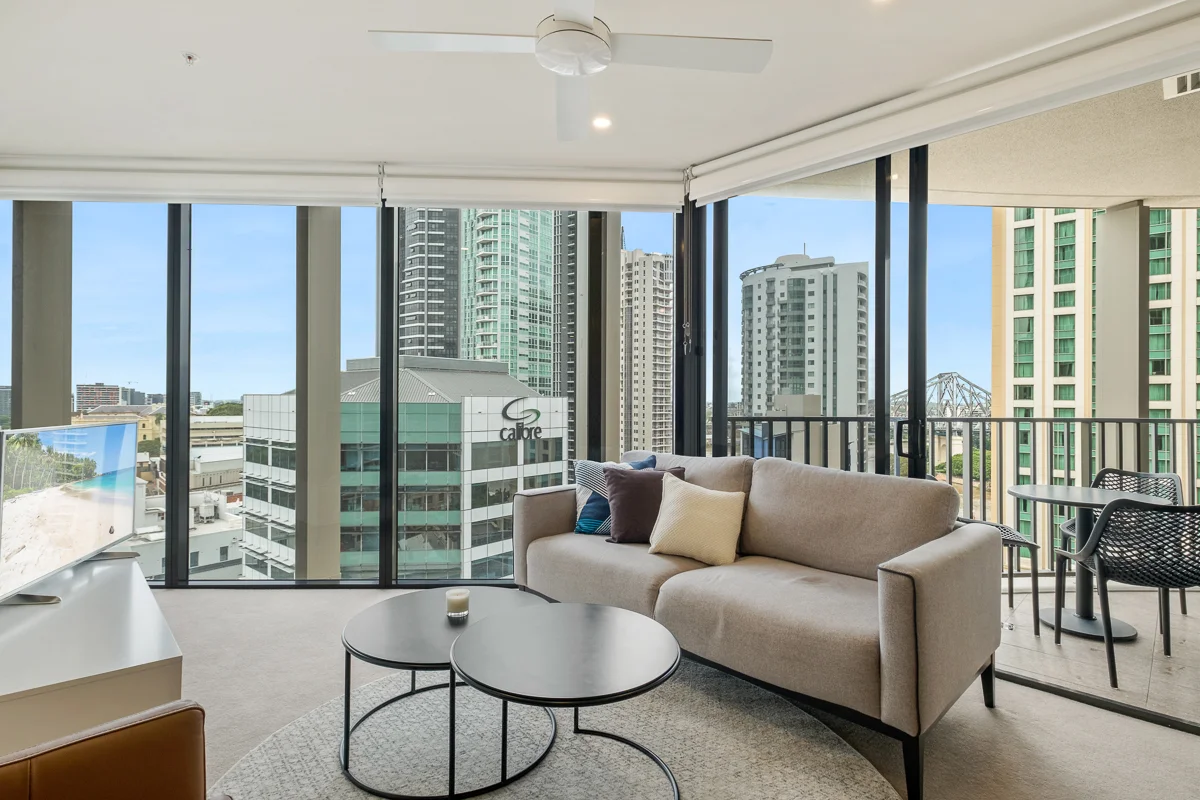 $950,000
Apartment / Unit / Flat
$950,000
Apartment / Unit / Flat
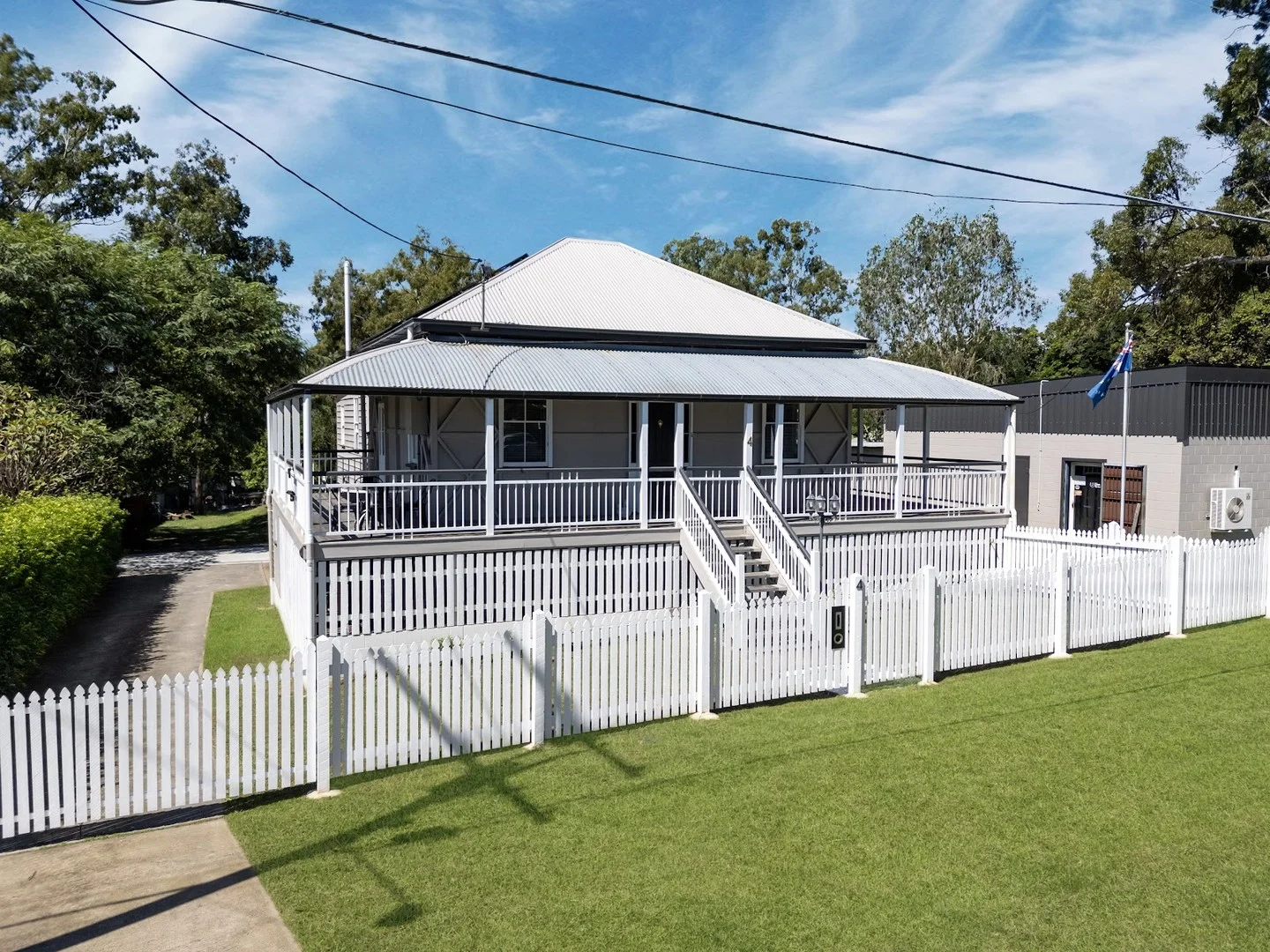 $1,700,000
House
$1,700,000
House